
Last updated November 15, 2026
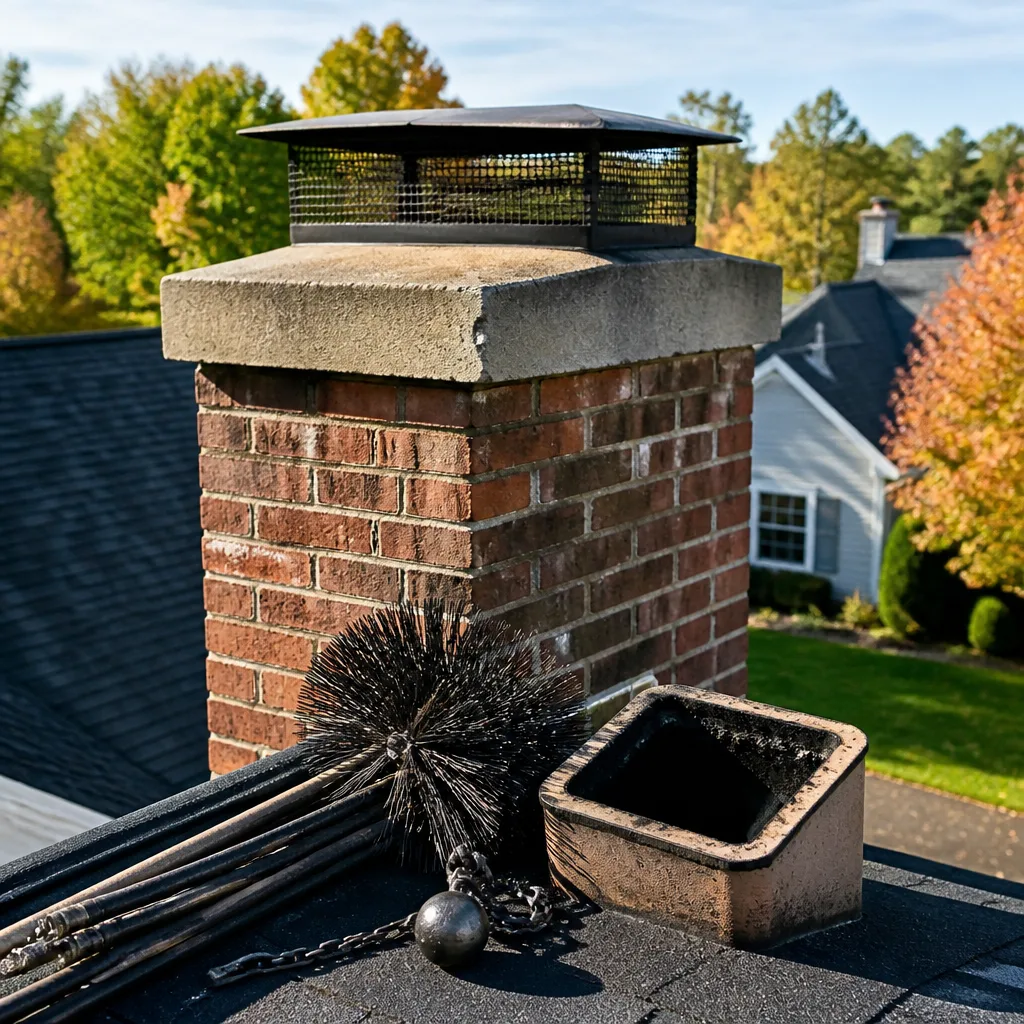 Sweep & inspection
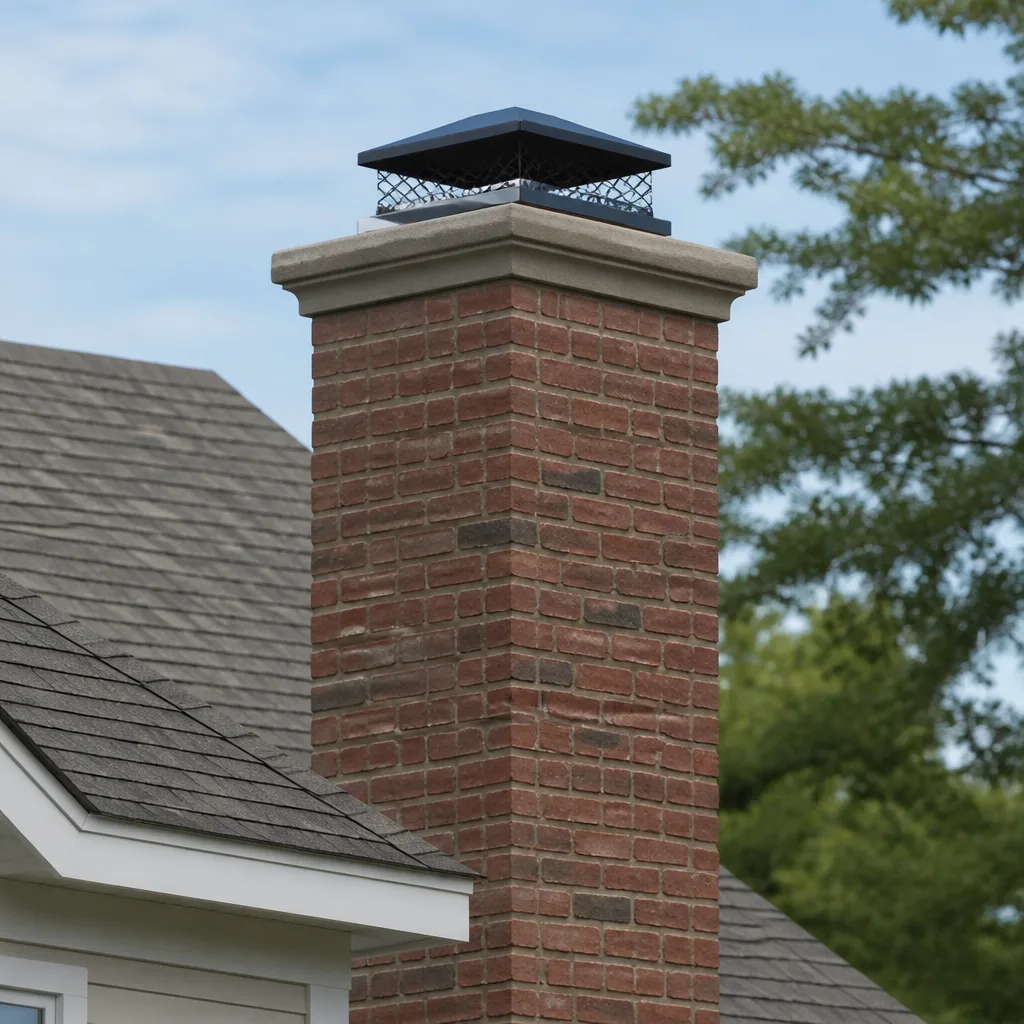 Caps & crowns
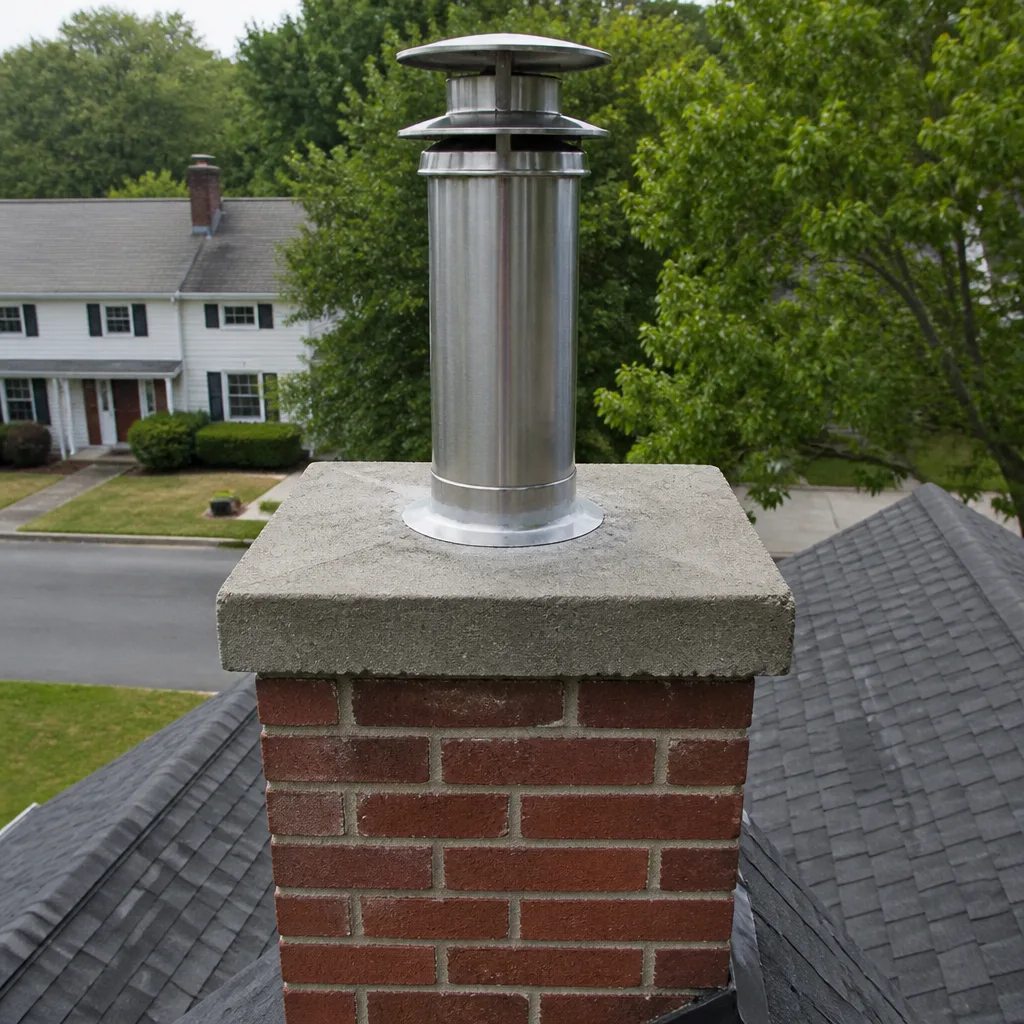 Flue relining
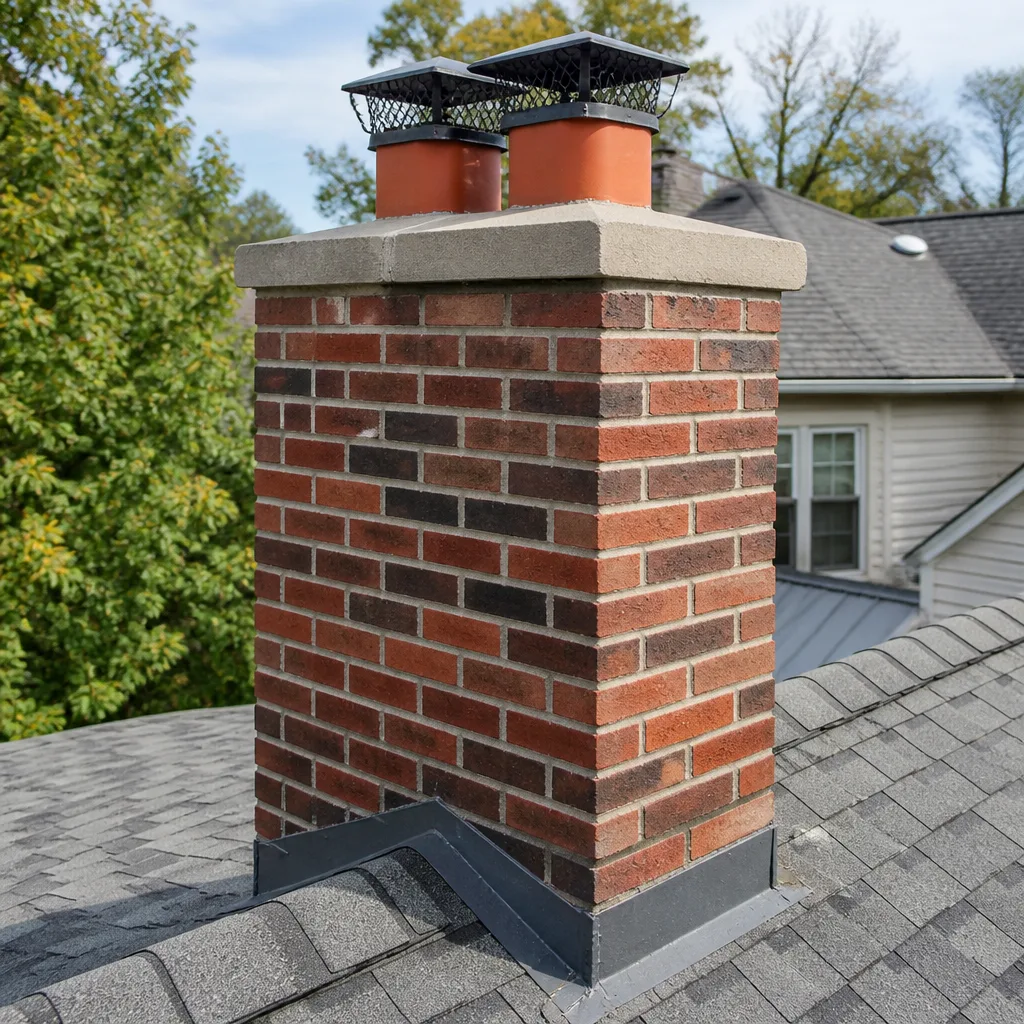 Masonry repair
 Gas fireplace service
Level 1 sweep and inspection to the NFPA 211 annual standard - flue, crown, cap, and flashing checked and photographed
Chimney sweep logs do not sweep chimneys. They loosen some creosote - which then falls where a brush and vacuum still have to collect it.
Chimney Sweep Maintenance Schedule: What to Do and When
NFPA 211 says a chimney should be swept and inspected “at least once a year.” Homeowners read that and hear a finish line. It isn’t one. That standard was written for average use, and average use is a number most wood burners in this part of Indiana blow past by February. If you burned more than two cords of wood last winter, or you run the furnace flue hard through the cold stretches, a single annual sweep is a floor, not a schedule. Treating it as the whole plan is how pinhole rust in a liner goes unnoticed until it’s a cracked flue. In this guide we’ll lay out the maintenance calendar that actually fits a South Bend heating season: what to check in September, why January earns its own look, and why the spring visit is the one that catches the damage before it becomes a repair.
Quick Answer
A chimney should be swept at least once a year, but a real maintenance schedule for a South Bend home means three touchpoints: an inspection and sweep in September before the heating season starts, a mid-season creosote and draft check in January if you’re burning wood, and a post-season cap and crown assessment in April after the last fire and the frost have passed. Homes on gas logs, wood stoves, or dual-fuel setups each need their own rhythm. A sweep without inspection leaves the second half of the job undone.
Styles & brands we work with
- Sweep & inspection
- Caps & crowns
- Flue relining
- Masonry repair
- Gas fireplace service
Table of Contents
- Why a Once-a-Year Sweep Is a Minimum, Not a Plan
- The Midwest Heating Season Calendar: Month by Month
- How Fuel Type Changes Your Schedule
- What South Bend’s Frost Season Does to Masonry
- What You Can Check Yourself (and What You Can’t)
- Why Skipping the Spring Check Is Where Liner Damage Hides
- Reading Creosote: The Three Levels and What Each Means
- Common Mistakes to Avoid
- When to Call a Professional
- Frequently Asked Questions
Why a Once-a-Year Sweep Is a Minimum, Not a Plan
The “once a year” language in NFPA 211 is a baseline set for the lowest common denominator: a household that burns occasionally, uses dry wood, and has a straightforward flue. The standard itself acknowledges that “once a year” is a floor, and that the actual trigger is a quarter-inch of buildup or the homeowner’s own judgment about use. Most people never check the quarter-inch, so the annual visit becomes the only reference point. That works fine for a gas fireplace with decorative logs that run forty hours a winter. It falls apart for anyone heating a house with wood through a South Bend January.
The reason the baseline gets blown through is creosote accumulation, and creosote rate depends on three things: how much wood you burn, how dry it is, and how hot the fire runs. Cool, smoldering fires with green or poorly seasoned wood make more creosote per cord than a hot, clean burn with seasoned wood. A wood stove run choked down overnight makes more than a fireplace run wide open. In a Michigan Lake area climate where the fire is going for five months straight, the difference between “annual” and “adequate” is one extra inspection, not a different standard.
There’s a second reason the one-visit approach misses things. A sweep clears the flue. It does not necessarily examine the crown, the cap, the flashing, the mortar joints, or the firebox liner. Those are inspection items, and they fail on a different clock than creosote does. Frost, chimney cap corrosion, and water intrusion damage the masonry system on a seasonal cycle, which is why the maintenance schedule below builds in three looks rather than one. Trust the sweep to fix the flue. Trust the inspection to catch everything else. When a single specialist does both, nothing falls through the crack between them.
The Midwest Heating Season Calendar: Month by Month
This is the schedule we walk South Bend homeowners through. It’s built around the actual weather pattern of northern Indiana – which is a long, cold stretch from roughly November through March, an unpredictable shoulder season on either side, and a hard freeze/thaw cycle that does the real masonry damage in the transition. Adjust the months slightly if your season runs early or late, but don’t move the order. The sequence matters.
- September – pre-season inspection and sweep. Before the first fire, get eyes on the flue. A sweep clears last year’s creosote accumulation. An inspection confirms the liner is sound, the cap is intact, the damper moves freely, and the firebox has no cracks. Doing this in September gives you a month or two to schedule any repair before the cold sets in and everyone with a problem is calling.
- October – cap, crown, and flashing assessment. Before the leaves fall and the first frost hits, check that the chimney cap is attached and clear of debris, the crown has no cracks, and the flashing where the chimney meets the roof is sealed. These are the penetration points for water, and once water gets into the masonry, it stays there and freezes.
- November through February – burn and observe. This is where mid-season checks earn their place. Watch for a drop in draft, smoke rolling out of the firebox at startup, or a smell of creosote that lingers in the house after a fire. If you burned more than two cords last winter, or you’re burning into a flue that hasn’t been inspected since a much lighter season, get a mid-season look in January.
- March – last fire and a shift to watch mode. As the burning season winds down, note whether the flue seems harder to draft or whether the top of the chimney shows soot staining. Both are early signals that something changed over the winter.
- April – post-season cap and crown assessment. After the last fire and after the deeper freeze-thaw cycle passes, this is the most valuable look of the year. It catches crown cracking, mortar joint deterioration, and cap corrosion while they are still cosmetic – before they cost the kind of repair that requires a full reline.
- May through August – repair season. If the spring inspection found something, this is when it gets fixed. The weather is workable, the heating system is off, and repair work gets a full summer of curing before it has to perform in a cold season. Cracks in the firebox can be resurfaced with a ceramic system rather than faced with a full replacement.
Notice that the sweep is the anchor, not the whole schedule. A single visit in September with no mid-season check and no spring assessment is a three-legged stool with two legs sawed off. The calendar isn’t meant to sell more visits than your home needs – it’s meant to put an inspection where a problem is most likely to start, and a second one where it’s most likely to be caught.
How Fuel Type Changes Your Schedule
The schedule above is written for wood. Gas logs, wood stoves, and dual-fuel setups each run on a different clock, and confusing them is where homeowners either over-service or under-service their chimney. The byproducts differ, the volume differs, and the failure mode differs.
Wood-burning fireplaces
Wood produces creosote – a tar-like deposit that builds up on the flue walls and is the primary fuel for a chimney fire. The rate depends on wood moisture and burn temperature. Well-seasoned wood burned hot makes less; green wood burned slow makes more. A wood-burning fireplace used as supplemental heat through a full South Bend winter should be swept at least once a year, and inspected once more mid-season if the cord count is high. The mid-season check isn’t a full sweep in most cases – it’s a visual on the flue and a creosote reading. If the buildup is light, the sweep waits until after the season.
Gas log sets
Gas logs don’t make creosote, but they do produce water vapor and trace byproducts that can deposit on the flue and create a different kind of residue. Vent-free sets produce moisture in the room, and vented sets send it up the flue. The primary risk with a gas log chimney isn’t creosote – it’s debris. Nests, leaves, and animal intrusion are more common than you’d think, and they block the vent. The annual inspection still applies. The sweep itself is often less frequent, but the flue still needs to be seen.
Wood stoves and fireplace inserts
Stoves and inserts burn hotter and more efficiently than an open fireplace, which usually means less creosote per cord – but the flue geometry is tighter and the risk of a smoldering, low-draft fire is higher. Inserts are often run choked down overnight, which is the exact condition that makes creosote fast. These systems should be swept annually and inspected mid-season if the burn is heavy. A stove that runs a five-month season is not a “once a year and forget it” appliance.
Dual-fuel and mixed-use chimneys
Some South Bend homes have a chimney that serves a fireplace on one flue and a furnace or water heater on another. The furnace flue doesn’t get creosote, but it does get corrosion from condensation, and it carries carbon monoxide risk if it’s blocked. The fireplace flue gets creosote. Two flues, two rhythms. The annual inspection covers both, but the schedule needs to address each separately – the furnace flue inspection is not optional and should never be skipped because the fireplace flue looks clean.
What South Bend’s Frost Season Does to Masonry
Around here, the damage isn’t done in the coldest week of January. It’s done in the freezing and thawing cycle that runs roughly from November through March, when daytime temperatures crawl above freezing and drop back below it repeatedly. Brick and mortar absorb water from rain, snow, and humidity. When that water freezes inside the masonry, it expands. When it thaws, the masonry shrinks back, and each cycle widens any existing crack a little more. Over a few winters, a hairline crack in the crown becomes a split crown, and a split crown becomes water in the flue.
This is why the masonry checks have to happen after the frost season, not before. A September inspection can look at the crown and find it sound. That inspection tells you nothing about what the coming winter will do. The April assessment is where you find out. It’s also where you catch the damage while it’s still repairable at the surface, before it moves into the interior of the chimney structure.
The specific checks that matter after the frost season:
- The crown. The concrete cap at the top of the chimney. Look for fine vertical cracks that have opened up over the winter. A crown crack lets water straight down the flue.
- Mortar joints. The lines between the bricks. Crumbling or receding joints on the exterior are a sign water has been cycling through them. Look at the shoulders and the top courses first – that’s where it shows up.
- The cap and screen. A metal cap that has rusted through or come loose lets water in and animals down. Stainless caps hold up far better than galvanized in a wet freeze cycle, and a commercial-grade cap is one of the cheapest ways to protect the whole system. Gelco and Copperfield make caps built for exactly this.
- Flashing at the roof line. The metal where the chimney meets the roof. Failed flashing is the quiet cause of most interior masonry water damage.
- Interior water staining. A water stain on the chimney breast inside the house is a message. It usually means a crack in the crown, the flashing, or the cap, and it’s worth an inspection to find out which.
There’s a reason a masonry chimney in this climate needs more of its own maintenance attention than one in a mild-winter market. The physics of freeze-thaw are gentle on concrete, brutal on mortar. South Bend winters are exactly the kind that expose the difference, and a schedule that doesn’t account for the spring thaw will miss every crack the winter opened.
What You Can Check Yourself (and What You Can’t)
There’s a real line between the checks a homeowner can do safely and the checks that need a trained professional with the right tools. That line isn’t about skill – it’s about what can hurt you or the appliance. Creosote can look harmless and ignite violently. A masonry flue can look sound and have a cracked interior. Firebox liners fail in ways you can’t see from the hearth. So the list below is deliberately short on the “you can do this” side and long on the “call someone” side.
Reasonable homeowner checks
- Look at the cap from the ground. A visual on the top of the chimney with binoculars tells you whether the cap is still attached, the screen is intact, and the crown isn’t visibly broken. Don’t get on the roof to do it.
- Test the damper. It should open and close smoothly. A damper that sticks is a sign of debris or rust, and it’s worth a professional look before the season.
- Run a smoke test. Light a small piece of newspaper where the fire will be and watch the smoke. If it rolls out of the firebox instead of going up the flue, the draft is compromised – that’s a call, not a project.
- Watch for odd smells and visible soot. A strong creosote smell that lingers in the house after a fire, or soot streaking above the firebox, is a signal to schedule.
- Keep the area around the hearth clear. No stored wood, no cardboard, no furniture too close. That’s maintenance, not inspection.
What requires professional inspection and tools
- The interior of the flue. You cannot inspect a flue from the firebox with a flashlight. A proper inspection uses a camera to see the entire liner, including the areas that look clean from below.
- Creosote depth. A camera and a trained eye measure the difference between a light dusting and a quarter inch of glazed buildup. Guessing from the firebox isn’t a measurement.
- The firebox and smoke chamber. Cracks in the firebox liner and voids in the smoke chamber are invisible without a proper look, and they’re a genuine safety concern. A damaged firebox can let heat or gases where they shouldn’t go.
- The crown, flashing, and masonry joints. A roofer can look at flashing; a chimney specialist looks at the whole stack. These are done from the roof with the right equipment, and they’re how water damage gets caught early.
- Any relining or restoration work. If the inspection finds a cracked or deteriorated liner, resurfacing with a ceramic system or relining with a flexible stainless system is not a homeowner project. This is where a single specialist who can diagnose and fix in one visit saves you the hand-off between a cleaning company and a repair contractor.
Homeowners ask a version of the same question in South Bend: “Do I really need someone to look, or can I tell myself?” The honest answer is that you can tell yourself when something is clearly wrong. You can’t reliably tell yourself when it’s fine. The whole point of the annual inspection is to confirm the things that look okay actually are.
Why Skipping the Spring Check Is Where Liner Damage Hides
The single most common maintenance mistake we run into isn’t skipping the sweep. It’s skipping the spring inspection. Here’s why. A chimney that gets swept in September and inspected in September is verified against what winter is about to do, not what winter just did. The liner can look perfectly sound through the whole heating season and develop a pinhole crack from condensation and freeze-thaw in the weeks after the last fire. The cap can come loose in a spring windstorm. A crown crack can open up in April and sit there all summer filling with water. None of that was there in September. All of it is there when the next fire starts.
That’s the quiet progression. Rust in a steel liner starts where water collects, which is at the bottom or at a seam. A small crack in a clay tile flue liner can sit undetected through the summer, then widen when a fire heats it back up. By the time a homeowner notices the symptoms – draft that won’t pull clean, smoke rolling into the room, a rust stain on the firebox – the small fix has become the larger repair. The spring look is the one that catches damage while it’s still a surface problem.
At this point we should say plainly what we believe about pricing. Nothing is recommended without showing you evidence you can see yourself. A camera inspection puts the flue on a screen, and if the lining is fine, we say so and tell you the work can wait. If there’s damage, the photo report shows it. If the flue needs resurfacing rather than replacement, we can apply a ceramic restoration system that extends the life of a failing liner without replacing the whole thing – which is a real cost-saving option and one a sweep-only outfit can’t offer. When a full replacement is the honest answer, we carry a flexible stainless liner system designed for the job. That’s the whole difference between a cleaning visit and a maintenance program: the same specialist who finds it fixes it, and you get a straight answer either way. No spring check means you find out in October when it’s already a problem.
Reading Creosote: The Three Levels and What Each Means
Creosote is the reason chimneys get swept. It’s a byproduct of wood smoke condensing on the flue walls, and it builds up in recognizable forms. If you understand what the three levels are, you’ll understand why the mid-season check exists and why a once-a-year sweep sometimes isn’t enough.
- First-degree creosote. A light, flaky soot that brushes off easily. This is normal, expected buildup between sweeps. It’s the reason for an annual visit.
- Second-degree creosote. A crusty deposit, sometimes with visible flake and chip. It’s harder to remove than soot and needs more than a brush pass. It forms faster than soot and is a sign the burn has been cool or the wood has been wet.
- Third-degree creosote. Glazed, hardened, tar-like buildup that clings to the flue walls. This is the level that poses the real fire risk – it ignites hot and burns hard. It’s also the hardest to remove, which is why catching it before it reaches this stage is the entire point of a maintenance schedule. Once it’s glazed, a standard sweep may not clear it and the flue may need a different approach.
The rate at which you move from first to third degree is the variable the annual standard can’t see. Wet wood, choked-down fires, and a long season accelerate it. A homeowner who burns three cords of seasoned wood in a stove run hard will not reach third degree on the same pace as someone burning two cords of green wood in a fireplace run choked down. The first-degree-to-third-degree window is where the mid-season creosote check earns its keep. It’s the difference between finding a light crust in February and finding a glazed flue that has to be treated like a repair.
This is where the season-long question of “did I burn more than two cords?” becomes practical. If you did, and you haven’t had a mid-season look, there’s a real chance you’re moving through the levels faster than a September-to-September schedule accounts for. A single inspection will tell you where you actually are.
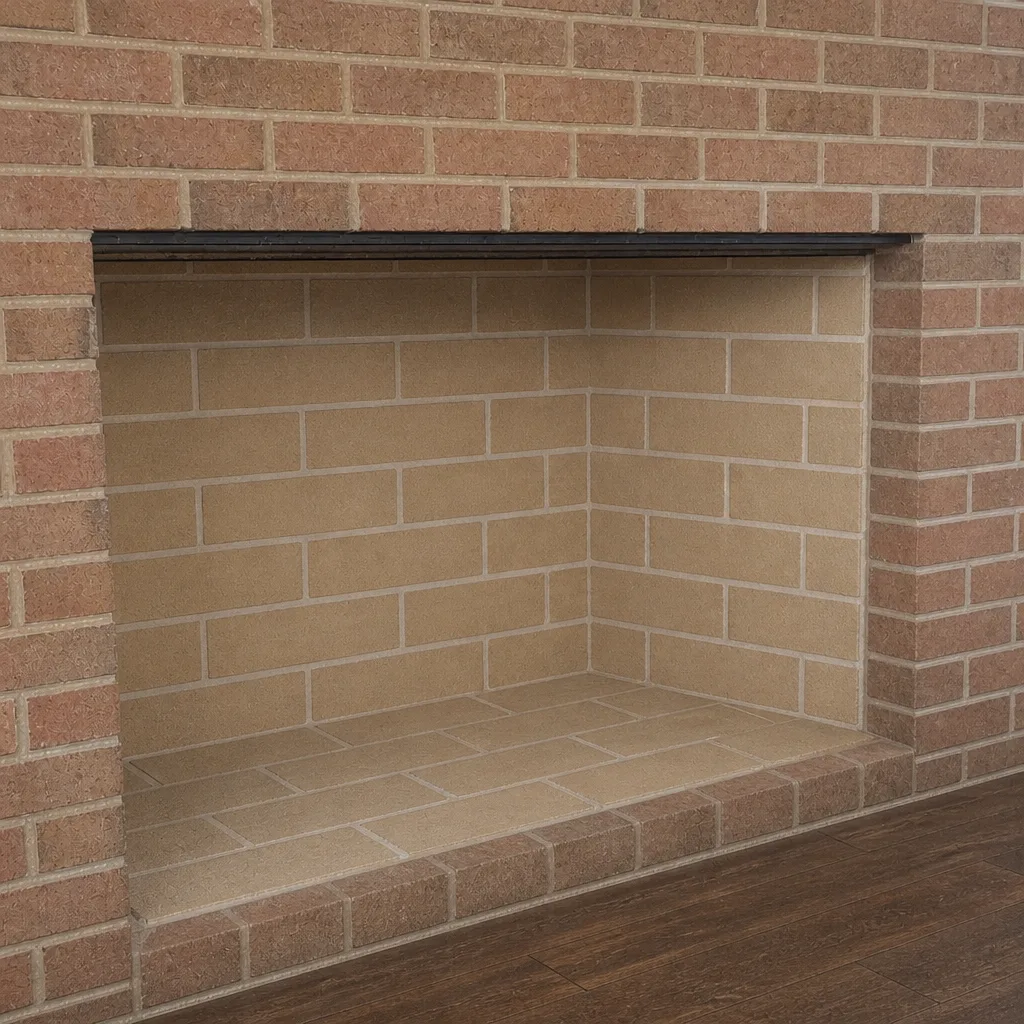
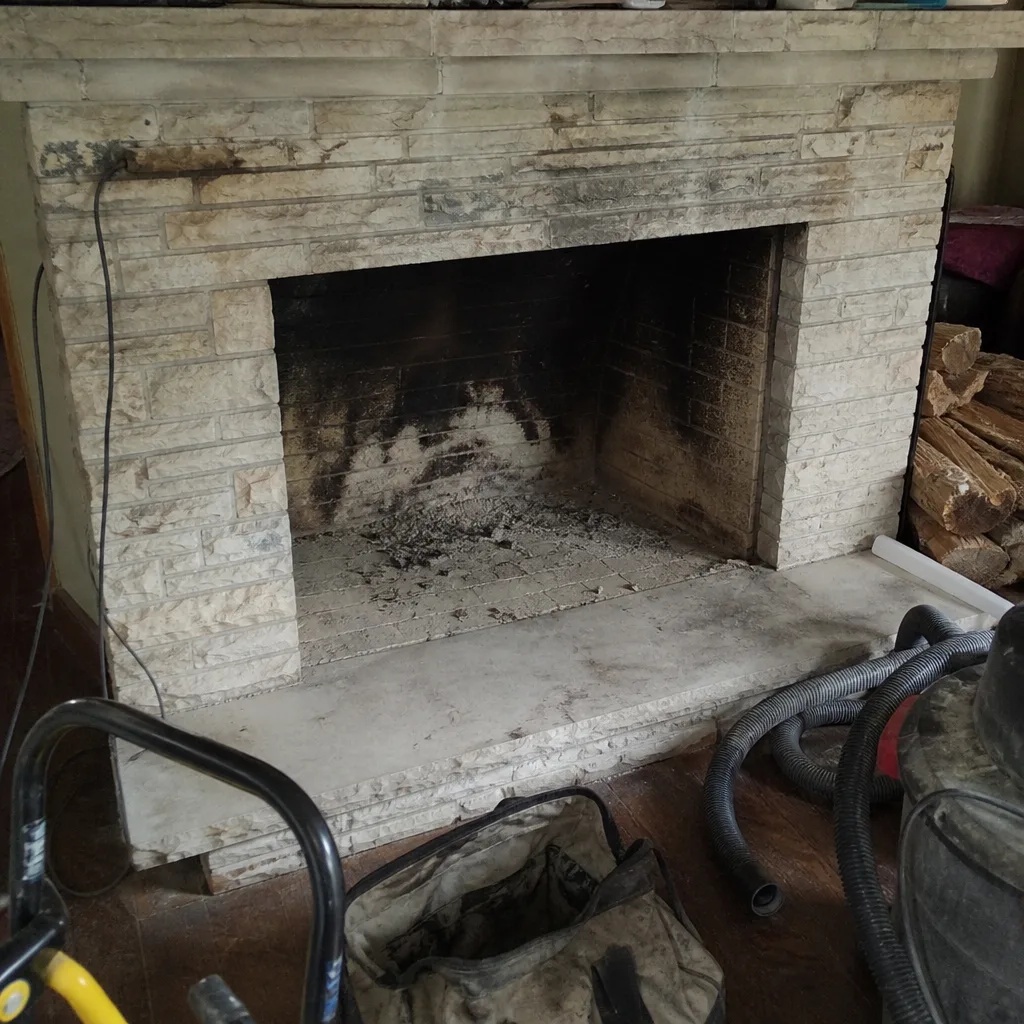
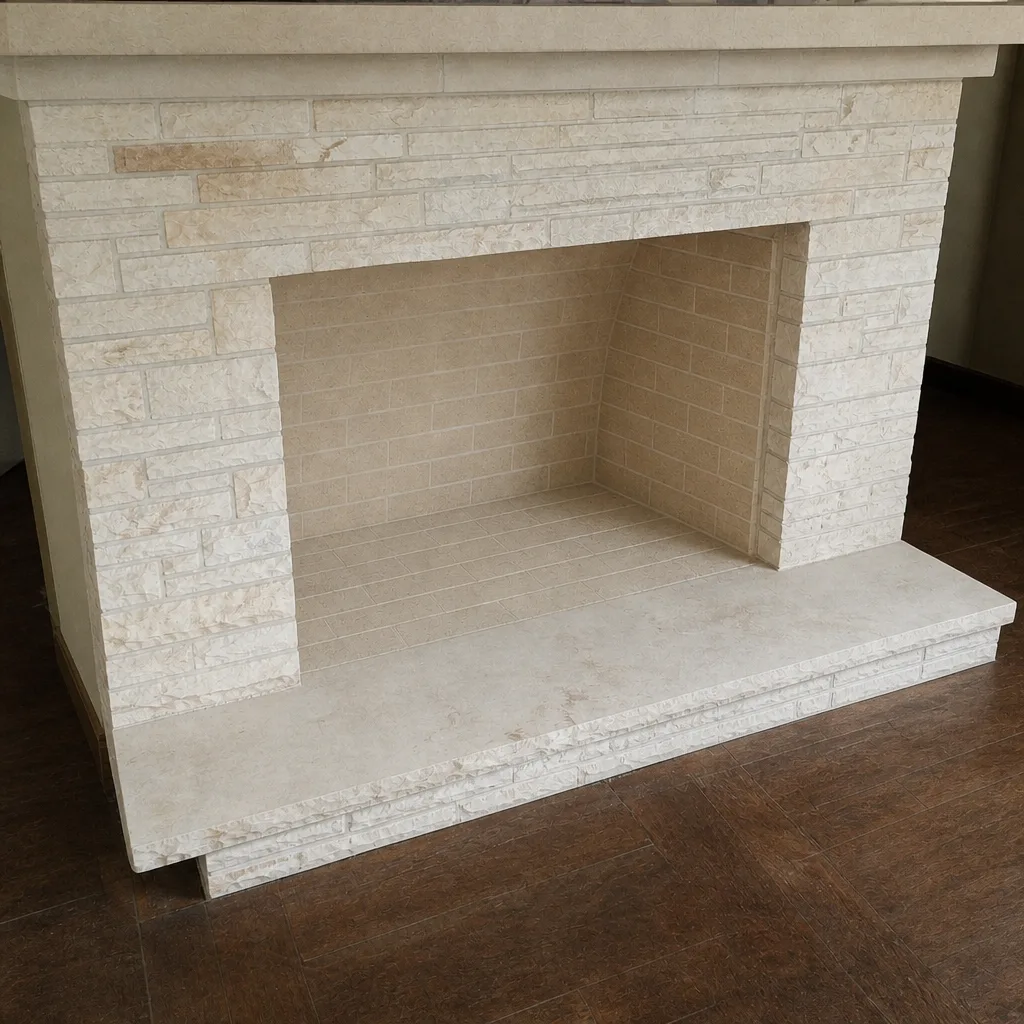
See the difference
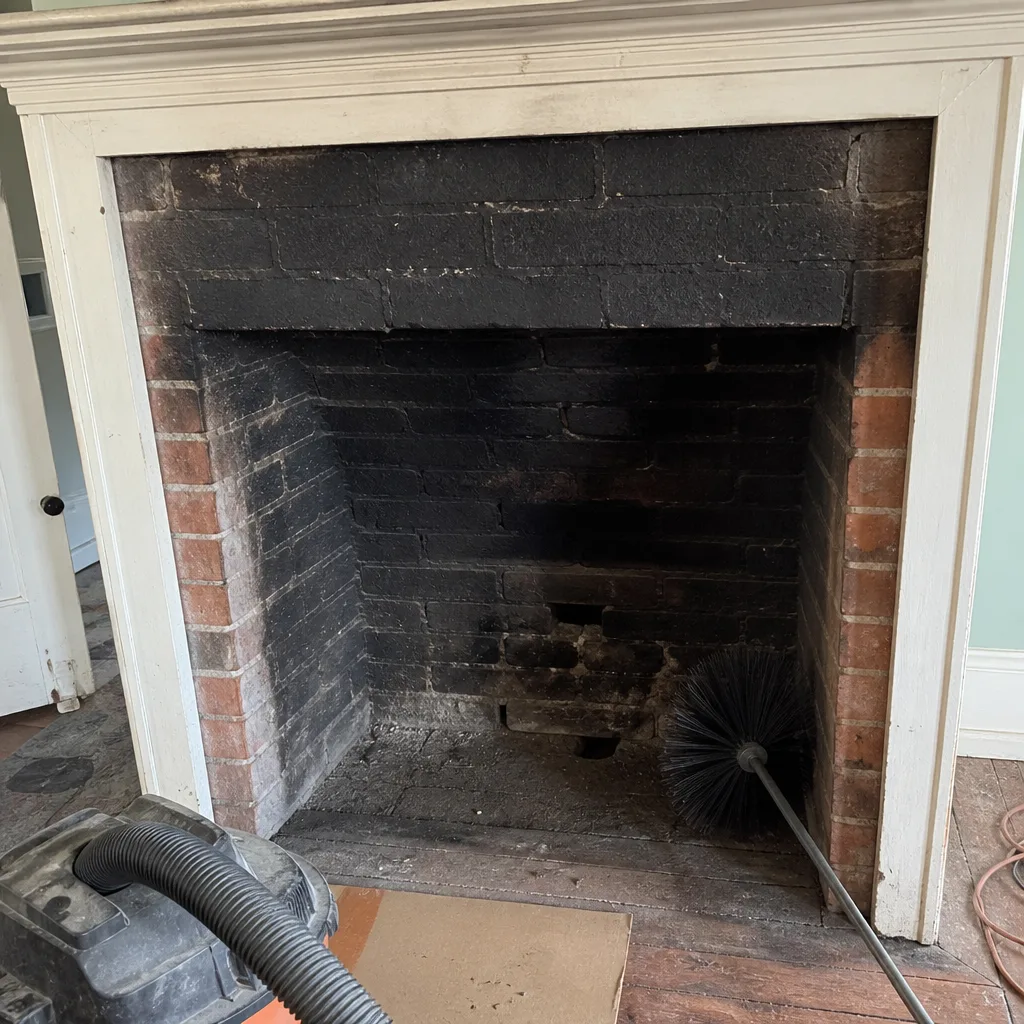 Before
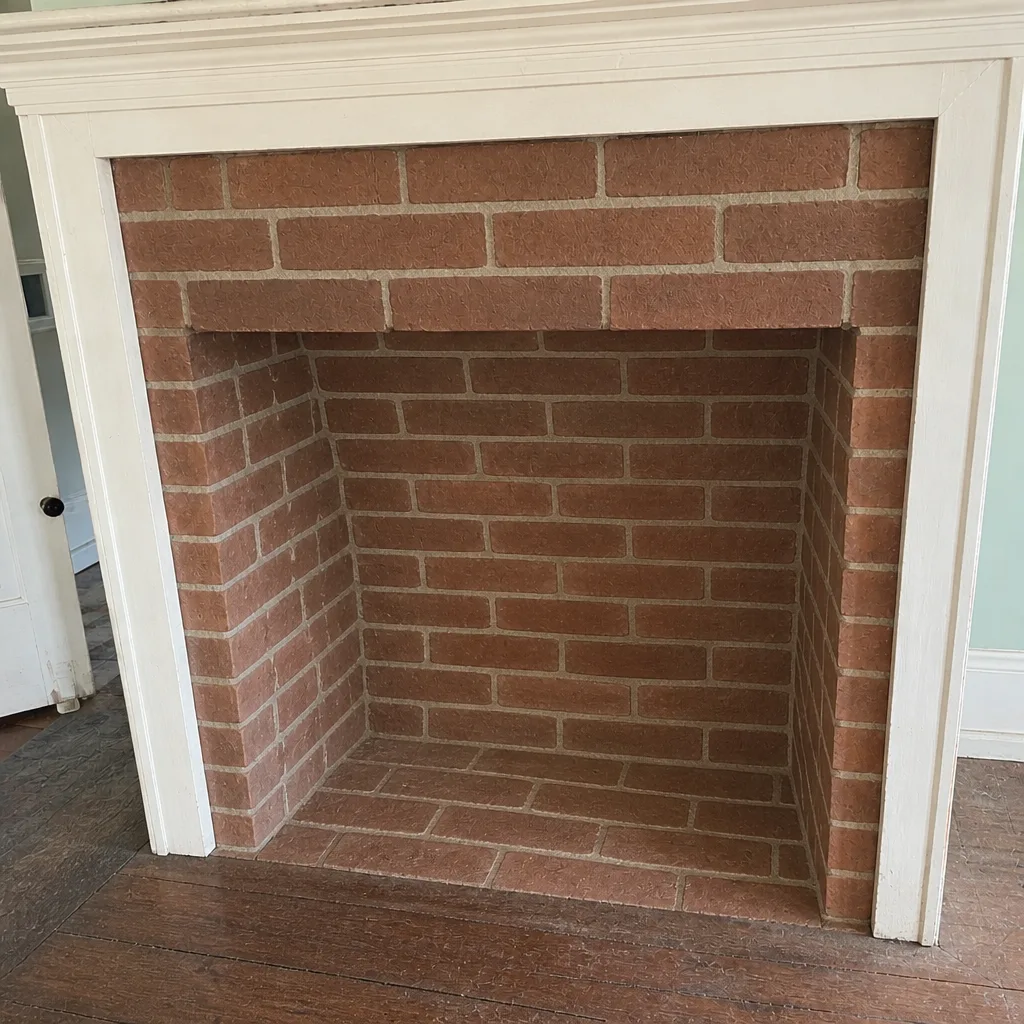 After
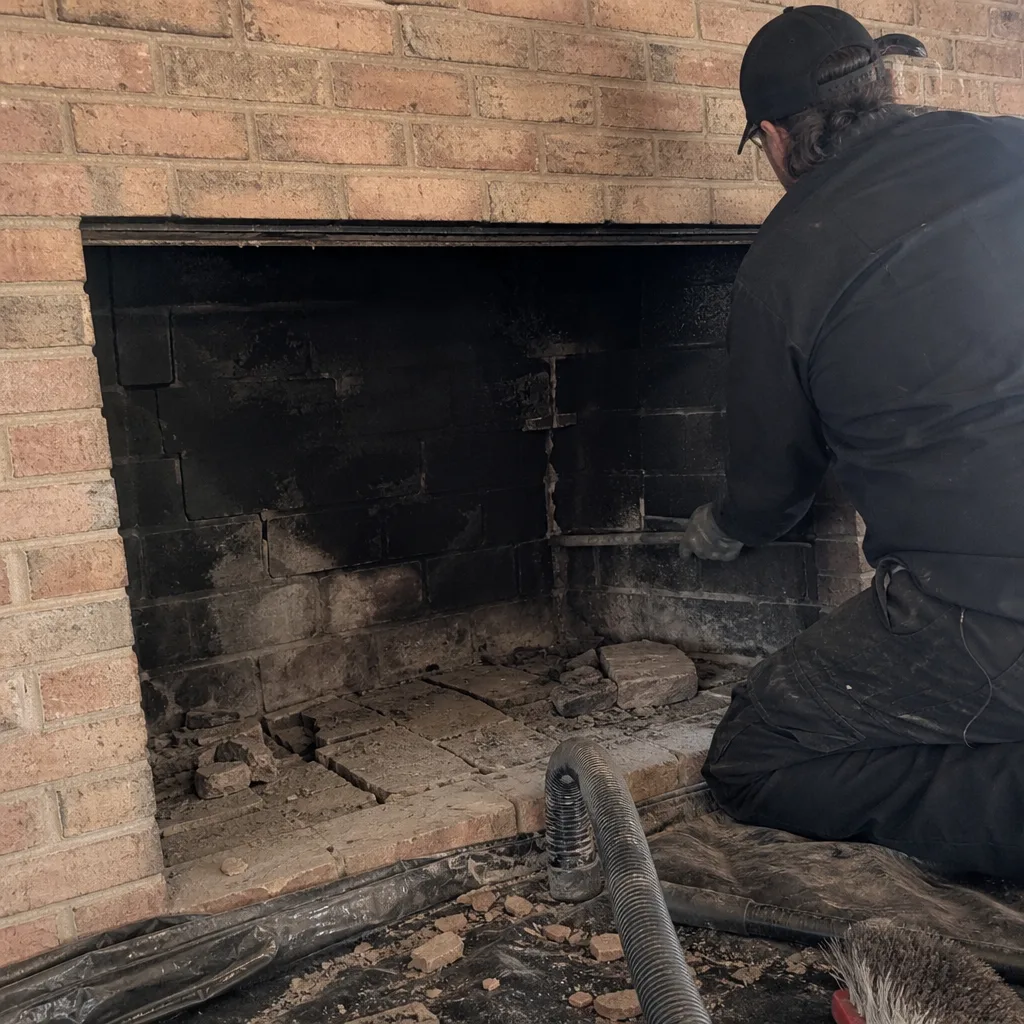 Before
 After
 Before
 After
Common Mistakes to Avoid
- Treating the annual sweep as the whole schedule. A sweep clears the flue. It doesn’t assess the crown, cap, flashing, or firebox. Treat the sweep as the anchor and the inspection as a separate, necessary visit.
- Skipping the spring assessment. This is where the winter’s damage sits all summer. A South Bend chimney that isn’t checked in April is a chimney whose freeze-thaw cracks go undetected until the next season.
- Burning green or poorly seasoned wood. Wet wood makes more creosote and burns cooler, which accelerates the buildup. The single most effective thing a homeowner can do for their schedule is to buy seasoned wood and store it dry.
- Thinking the gas log fireplace needs no inspection. Gas logs don’t make creosote, but the flue still collects debris, nests, and condensation. The annual inspection still applies, and a blocked vent is still a carbon monoxide risk.
- Assuming the clean look means the liner is sound. You can’t see the inside of a flue from the firebox. A clean firebox and a sound flue are two different things, and only a camera inspection tells you the second one.
- Putting off a noticed crack or a stuck damper to “next season.” The crack that’s cosmetic in April is the repair in October. Small masonry issues in our climate almost never get smaller over a summer of rain.
- Letting a chimney cap go missing. A missing cap lets rain, leaves, and animals into the flue. It’s one of the cheapest fixes on the whole system and one of the most common things we find on a spring inspection. A commercial-grade cap – Famco, Copperfield, and Gelco all make caps built for our weather – is a small line item that protects everything above and below it.
When to Call a Professional
Call when the fire won’t draft cleanly, when smoke rolls out of the firebox at startup, when you smell creosote inside the house after a fire, or when you see soot streaking above the firebox. Call after a chimney fire, even a small one – a fire that sounded like a low roar, or that you stopped by closing the damper, can leave a cracked liner behind. Call if the cap is loose or missing, if there’s water staining on the chimney breast, or if the firebox has visible cracks. Call before the season if you’ve moved into a South Bend home and don’t know when the chimney was last swept. And call if you’ve been on a once-a-year schedule but burned more than two cords last winter – that’s the household that’s most likely to be behind.
Chimney Sweep South Bend offers free estimates in South Bend – call (888) 334-4231. We answer 24/7. Fast dispatch from 7am to 7pm, Sunday through Friday. We’re closed on Saturday.
Frequently Asked Questions
At least once a year is the baseline, and for most South Bend wood-burning homes the sweep belongs in September before the heating season. But if you burn more than two cords of wood a winter, or you run a wood stove choked down overnight for five months, that annual sweep should be paired with a mid-season creosote check and a post-season inspection. The real answer depends on your burn volume and your wood, not just the calendar. Call (888) 334-4231 for an exact quote – estimates are free.
Creosote keeps building, and at the glazed third-degree level it becomes the fuel for a chimney fire. That’s the serious risk – a hot, fast fire inside the flue that can crack a liner or damage the masonry. But skipping the sweep also means skipping the inspection that happens alongside it, and that’s where the quieter damage gets missed: a crown crack taking in water, a cap that’s come loose, a liner that’s starting to fail. The sweep is the visible part. The inspection is the part that protects the structure. Call (888) 334-4231 to book a look.
Usually not, and we’ll tell you so when the camera inspection shows a sound liner. If the liner is cracked or deteriorated, the honest options depend on what the inspection shows – sometimes a ceramic resurfacing system can restore the existing flue without a full replacement, which is a real cost-saving option. Sometimes a full reline with a flexible stainless system is the correct fix. The point is the recommendation comes with evidence you can see, not a sales pitch. Call (888) 334-4231 for an inspection and a straight answer.
Yes. Gas logs don’t make creosote, but the flue still collects debris, animal nests, and condensation, and a blocked vent can allow carbon monoxide into the home. The annual inspection still applies. The sweep itself may be less frequent than for a wood fireplace, but the flue needs to be seen. Call (888) 334-4231 to schedule it.
For most South Bend homes, September is the best month for the pre-season sweep and inspection, because it gives you a window to complete any repair before the cold sets in. April is the best month for the post-season check, because that’s after the freeze-thaw cycle has shown what it did to the masonry. Both dates matter – they catch different problems. Call (888) 334-4231 to get on either one.
You can check the cap from the ground and test the damper yourself, and you should. What you can’t do is inspect the inside of the flue, measure the creosote depth accurately, or evaluate a firebox liner crack. Those require a camera and trained eyes, and some of them are directly safety-related. A homeowner surface check is a good habit, not a substitute for an inspection. Call (888) 334-4231 for the professional look.
The Bottom Line
The “at least once a year” standard is a floor, and for a South Bend home that runs a real heating season, it leaves predictable damage on the table. A working schedule has three anchors: a September sweep and inspection before the season, a mid-season creosote check if you’re burning wood heavily, and an April post-season assessment after the frost has done its work. Fuel type changes the rhythm – gas logs still need an inspection, wood stoves need a mid-season look, and dual-fuel chimneys need both flues checked. The homeowner checks are real but short: the cap from the ground, the damper, a smoke test. Everything inside the flue needs a camera. And the spring check is the one that catches liner damage while it’s still cheap to fix. When in doubt, book the inspection and look at the evidence. If it’s fine, we’ll tell you.
For chimney maintenance in South Bend, we handle the sweep, the inspection, and the repair under one roof. Professional-grade materials – DuraFlex liners, HeatShield ceramic resurfacing, and Gelco, Olympia Chimney, Famco, and Copperfield caps and components – are part of the work when the inspection calls for them. We identify the problem, then fix it, in one call. Call (888) 334-4231 for a free estimate. We answer 24/7. Fast dispatch from 7am to 7pm, Sunday through Friday.
Written by the team at Chimney Sweep South Bend.