
Last updated November 15, 2026
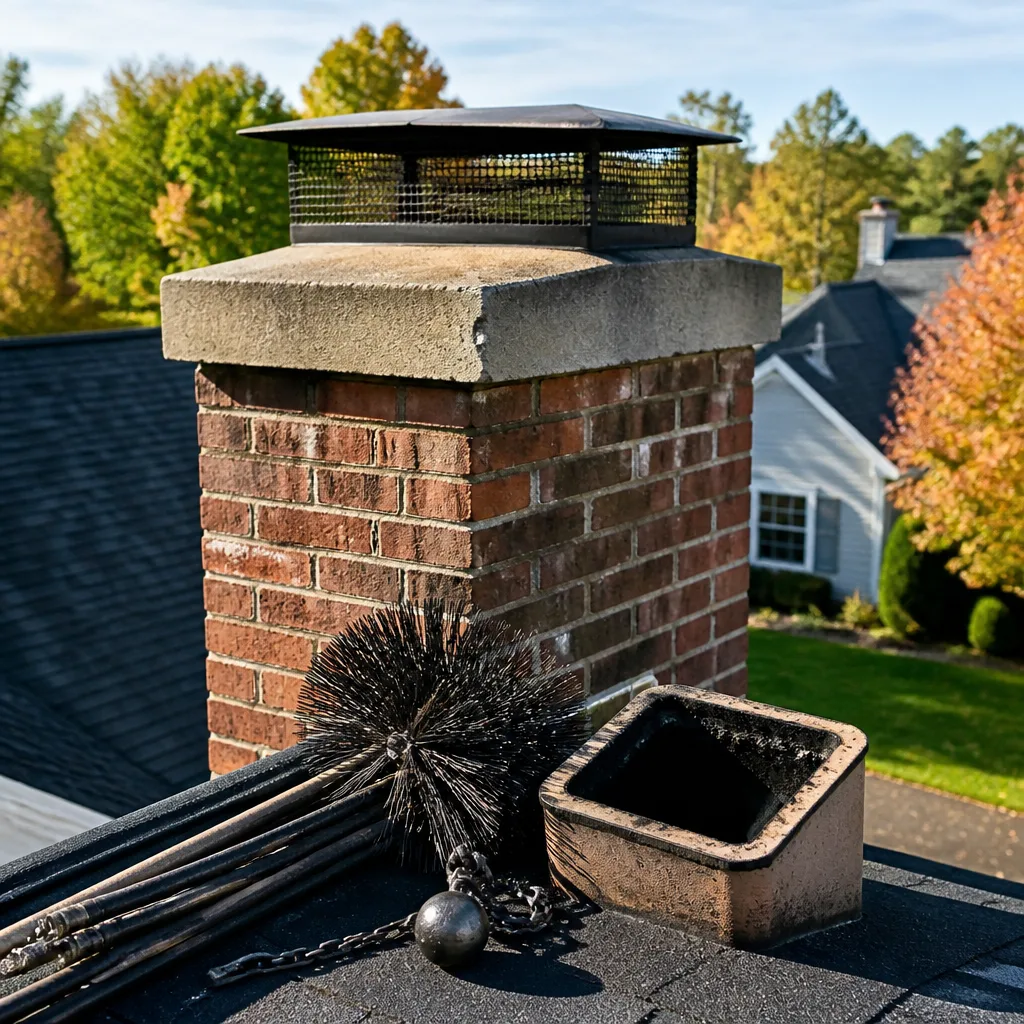 Sweep & inspection
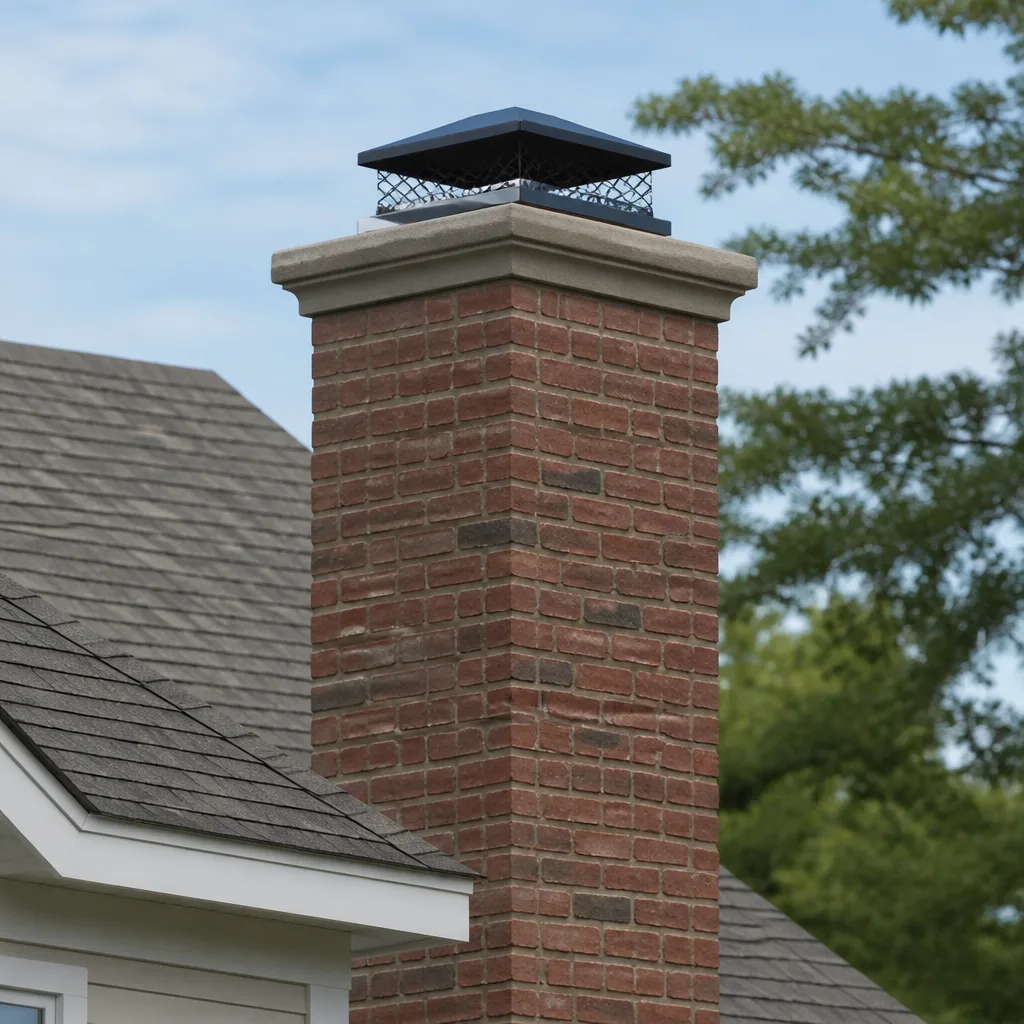 Caps & crowns
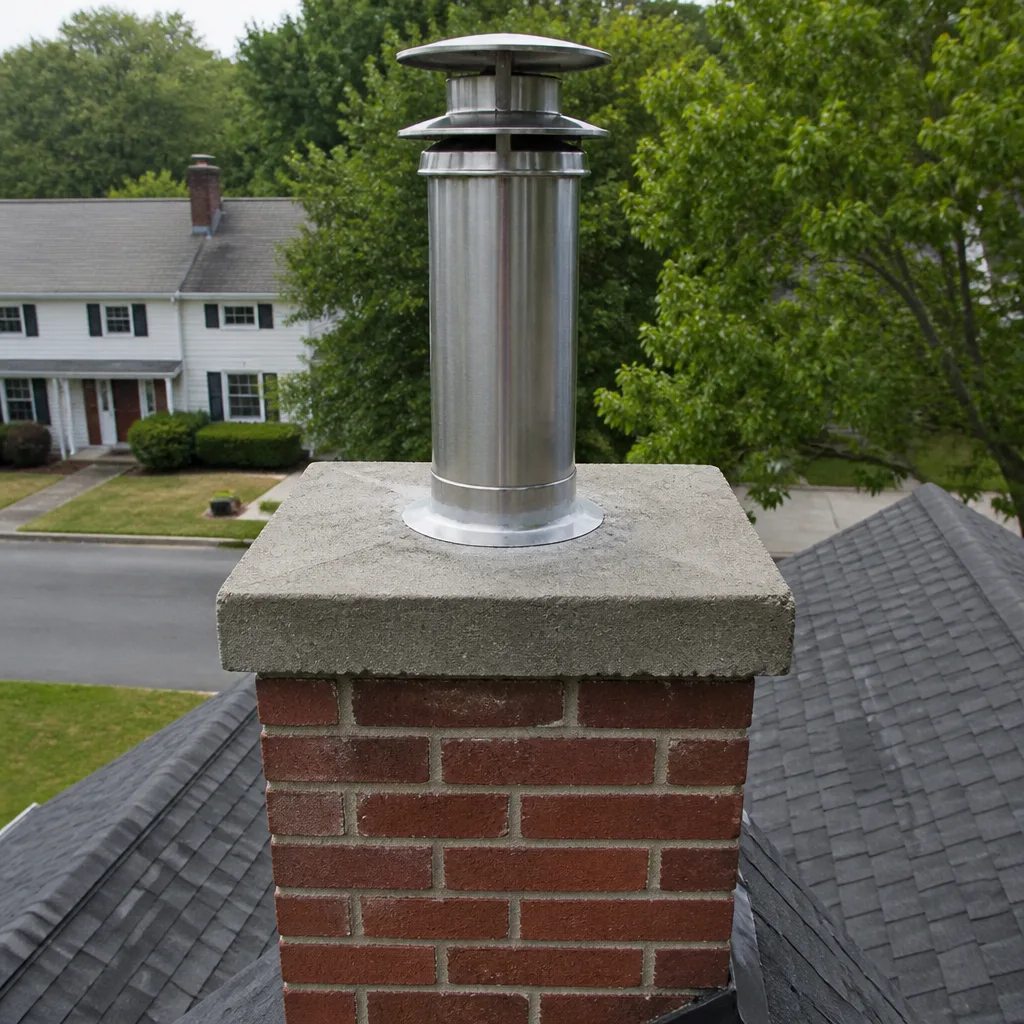 Flue relining
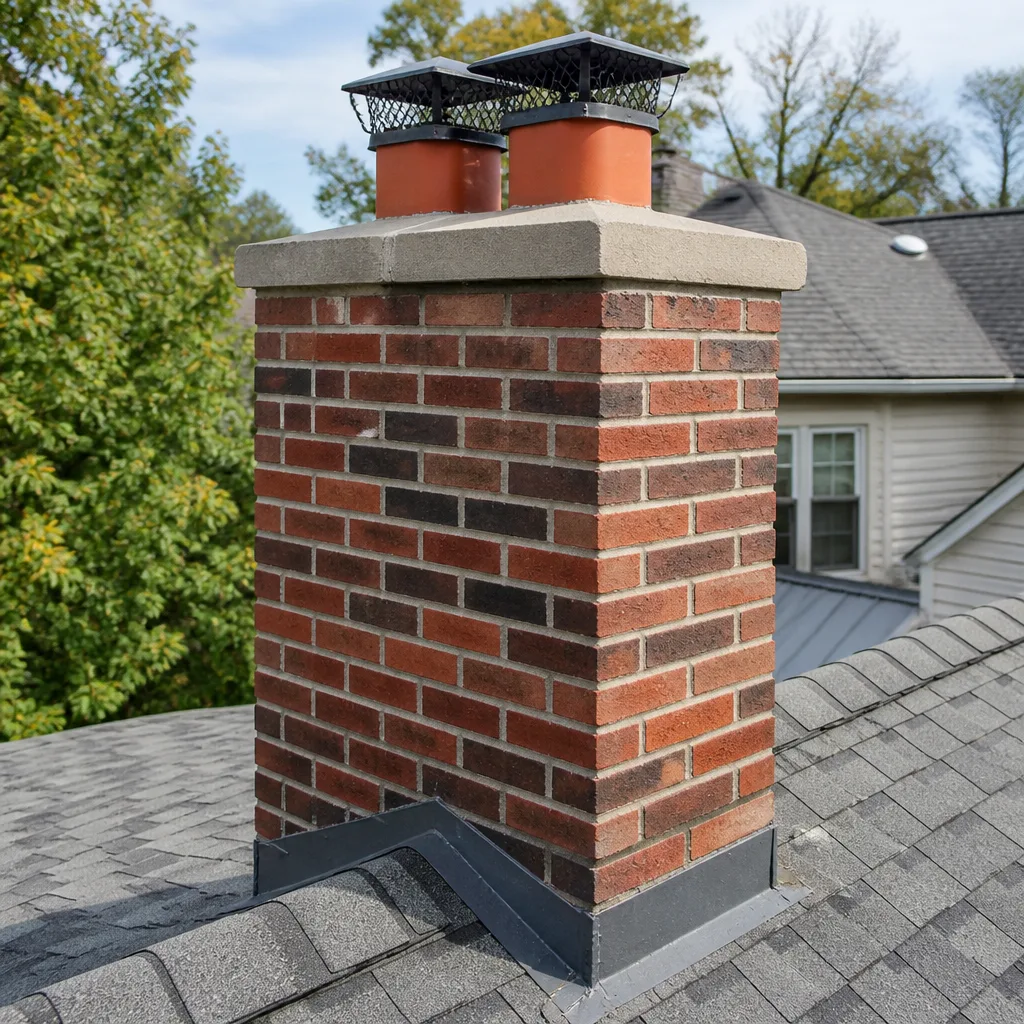 Masonry repair
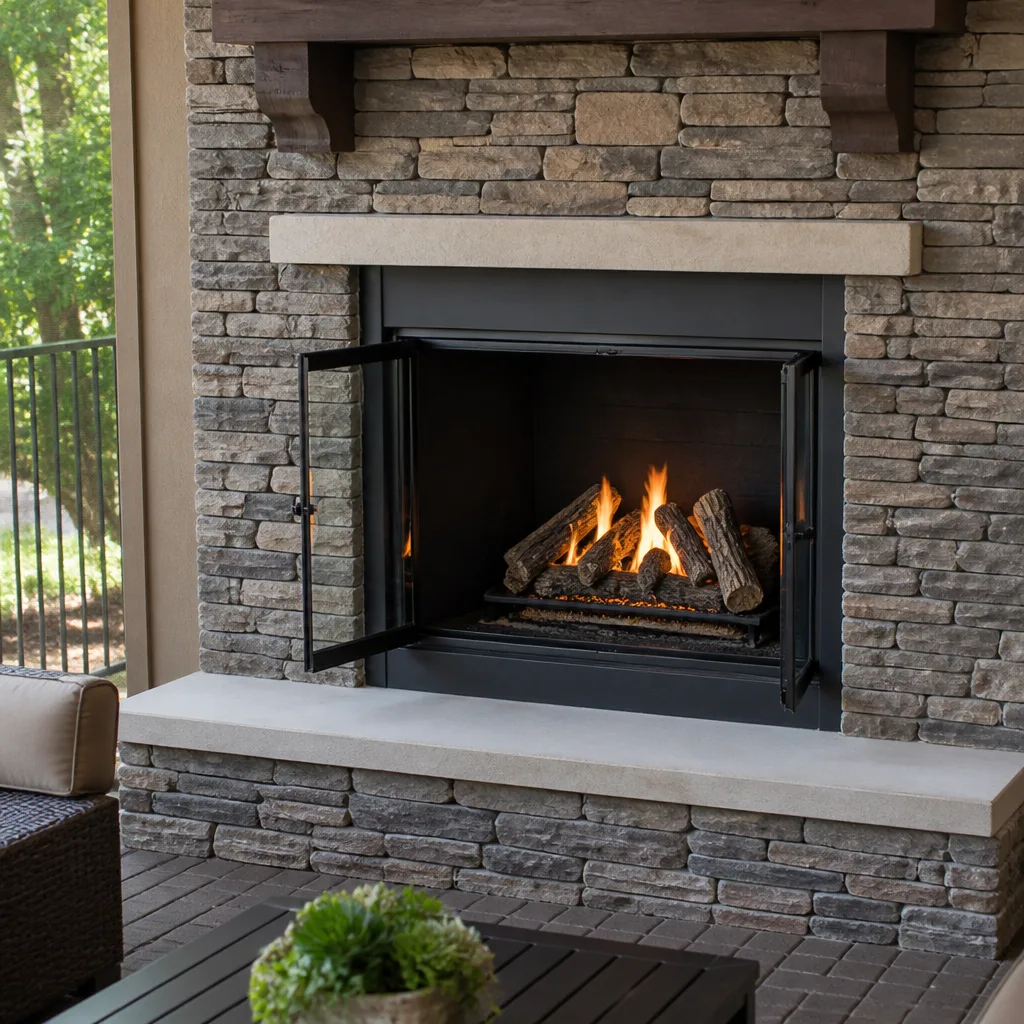 Gas fireplace service
Level 1 sweep and inspection to the NFPA 211 annual standard - flue, crown, cap, and flashing checked and photographed
Chimney sweep logs do not sweep chimneys. They loosen some creosote - which then falls where a brush and vacuum still have to collect it.
Chimney Sweep Troubleshooting in South Bend: Common Problems and How to Fix Them
If your fireplace smokes back into the room, the easy answer is “the flue is dirty.” The hard part is that cleaning fixes that problem only when creosote is actually the cause. A backdraft has several distinct causes, and a slow draw that develops over a few winters usually has nothing to do with soot at all. Most of what homeowners in South Bend describe as “bad wood” or “an old house being an old house” traces back to a mechanical failure you can actually name: a stuck damper, a cap that’s screen-clogged, a flue that’s short for the house, a liner that cracked through a freeze. This guide teaches you to read the symptoms before you call anyone, and to know which problems a sweep can fix and which need a camera and a repair.
Styles & brands we work with
- Sweep & inspection
- Caps & crowns
- Flue relining
- Masonry repair
- Gas fireplace service
Quick Answer
Most chimney problems come down to one of six failures: a blocked or undersized flue, a damaged cap or crown, a warped damper, a cracked liner, negative pressure in the house, or a masonry crown letting water in. Start by matching your symptom (smoke rollout, slow draw, odor, water stains, debris in the firebox) to the cause, then decide whether it’s a Level 1 fix or a job for a certified sweep with a camera. A cleaning alone only solves the creosote-blocked flue. Everything else needs diagnosis.
Table of Contents
- Match the Symptom to the Cause
- Structural Draw Problems vs. Mechanical Ones
- Why South Bend’s Freeze-Thaw Cycle Cracks Liners
- Dampers, Caps, and the Pressure in Your House
- Level 1 Fixes vs. When You Need a Certified Sweep
- What a Camera Inspection Actually Shows
- Common Mistakes to Avoid
- Frequently Asked Questions
Match the Symptom to the Cause
Chimney troubleshooting starts with the symptom, not the firebox. Two houses on the same block in South Bend can have the exact same creosote load and behave completely differently because the failures are different. Reading your symptom correctly saves you a wasted cleaning and gets you to the right repair faster.
Here’s how the main symptoms line up against the underlying cause:
- Smoke rolls out of the firebox when you first light it. Usually a cold flue. The chimney hasn’t warmed up yet, so the air inside is heavier than the room air and pushes back down. Priming the flue with a rolled newspaper torch usually fixes it.
- Smoke continues to roll out after the fire is established. That’s a draw problem, not a cold-start problem. Causes range from a screen-clogged cap to insufficient flue height to a house that’s running negative pressure.
- Slow draw that develops over a season. Often a partial blockage (creosote, a bird nest, a collapsed liner tile) or a damper that won’t open fully.
- A smell in the room when there’s no fire. Odor intrusion. Usually a pressure imbalance pulling outside air down through the flue, or a chimney that’s accumulated creosote moisture and is off-gassing in warm weather.
- Water stains on the ceiling or firebox. Crown or flashing failure. The masonry is letting water in and it’s finding the chimney as the path of least resistance.
- Debris or sand on the firebox floor. Spalling flue tile. Freeze-thaw has cracked the tile and it’s shedding.
Being honest with yourself about which bucket your complaint falls into is the single most useful step. If you’re not sure, the chimney inspection is where the diagnosis gets settled.
Structural Draw Problems vs. Mechanical Ones
Before you call anyone, you can narrow a draw problem down to one of two families: structural (the chimney’s shape is wrong for the house) or mechanical (something is physically blocking or restricting the airway). The test is simple and it doesn’t require tools.
Step 1: Open the damper completely. Push it all the way open and hold it there with your hand. If draw improves dramatically, the damper was the issue. If it makes no difference, the damper isn’t restricting you.
Step 2: Watch for the draw at the top of the firebox. Light a fire and watch the smoke just as it clears the log. If it hugs the top of the firebox and slides backward into the chimney, you have draw. If it billows forward into the room, you don’t.
Step 3: Test with the house in different pressure states. Open a window an inch on the side of the house the wind is hitting. If draw improves, you’re running negative pressure in the house. Run a bath fan, kitchen hood, or the dryer and see if the draw gets worse. If it does, the house is pulling air from the chimney to feed the fans and the chimney can’t compete.
Step 4: Look at the flue height relative to the roof. A flue that’s too short relative to the roofline will struggle on windy days. If the draw is bad on the windward side of the house but fine otherwise, height is suspect. South Bend’s wind off the prairie comes from unpredictable directions season to season, so houses on open lots and houses tucked into tree cover behave differently.
If none of these point to an obvious cause, the problem is structural and needs a technician on the roof. Flue sizing, offset, and interior geometry are all things a camera inspection can reveal.
Why South Bend’s Freeze-Thaw Cycle Cracks Liners
Clay flue tile is a tough, fire-rated material that handles heat well. What it doesn’t handle well is water trapped inside its pores freezing and expanding. That’s the core failure mode for chimney liners around South Bend, and it catches homeowners off guard because the visible firebox often looks fine.
Here’s what happens. Water gets into a cracked crown, a missing chimney cap, or a hairline mortar joint. It soaks into the porous clay tile. A cold night freezes the water, and because water expands as it freezes, the tile is pushed outward from the inside. The next warm day thaws it. Repeat that cycle a few dozen times across a northern Indiana winter and you get a hairline crack, then a spider crack, then a chunk that literally spalls off the inside of the flue. That’s the “sand” homeowners find on the firebox floor every spring.
Two things make this worse in South Bend than in warmer climates:
- Winter temperature swings. Days that cross back and forth over freezing are the most damaging. Every crossing is a freeze-thaw event. Winters here produce a lot of them.
- Late winter moisture. Snowmelt on the roof and rain against a south-facing chimney expose the masonry to a lot of short, wet/dry cycles that pull water in and push it back out.
Homeowners often misread the symptoms. The sand on the firebox floor gets blamed on the wood. The wisp of smoke that develops in the second season gets blamed on the fire not drawing. But the cause is a spalled liner, and no amount of cleaning fixes that. This is exactly the kind of damage a camera inspection catches, and exactly the kind of damage HeatShield resurfacing can repair without a full reline when the tile is still structurally sound.
Dampers, Caps, and the Pressure in Your House
The damper and the chimney cap are the two components homeowners ignore most, and both cause more chimney trouble than most people realize. A top-sealing damper that doesn’t fully close is a heat leak and an odor path. A cap whose screen is clogged is a draw restriction. Neither is expensive to fix, and both get misdiagnosed as “the chimney is dirty.”
Damper checks you can do yourself:
- Open the damper and look up. If it’s a throat damper, you should see daylight. If you see soot or a nest, you have a blockage.
- Open the damper fully and try to move it side to side. A warped or rusted blade that won’t fully open is a common cause of slow draw.
- Light a fire with the damper open, then check the perimeter of the damper frame with the back of your hand (not your fingers). Warm air moving up is good. Cold air moving down means the damper isn’t sealing when you need it to close.
Cap checks:
- Look up the chimney from the ground on a clear day. You should see the cap and an unobstructed open space below it.
- If you can’t see daylight, the screen is blocked. Screens catch everything from creosote to leaves to bird nests, and each of those restricts the draw.
- A cracked or missing cap lets water in, which brings us back to the last section. A cap that’s intact but the wrong size for the flue is also a problem: an undersized cap creates backpressure. We source caps from Copperfield and Olympia Chimney specifically because the sizing and weather resistance matter here.
House pressure: Here’s the one most people don’t know. Modern houses in South Bend are tighter than older ones because of better windows and insulation, which means less infiltration. Run a bath fan, a kitchen hood, and the clothes dryer at the same time and a tight house can pull enough air to reverse the chimney. That’s why your fireplace draws on a quiet afternoon and smokes back the next morning when the dryer’s running. The fix isn’t always the chimney. Sometimes it’s an outside air supply or a fresh air intake.
Level 1 Fixes vs. When You Need a Certified Sweep
Homeowners can safely handle more chimney troubleshooting than the industry usually admits, but the line between what’s safe DIY and what needs a professional is specific. Here’s how to draw it.
Level 1 fixes a homeowner can safely do:
- Prime a cold flue. Roll a sheet of newspaper into a torch, light it, and hold it near the open damper for 30 seconds before you light the fire. This warms the flue and reverses a cold-start downdraft.
- Clear the cap screen. With the fire cold and the roof safe to walk, a stiff brush clears leaves and light creosote. If it requires a ladder or the roof is steep, stop and call.
- Check and operate the damper. Opening it fully and checking for daylight is safe. Replacing it is not.
- Clear the firebox of ash and debris. Empty the firebox, remove any bird nests or debris on the smoke shelf, and clear the ash pit if your fireplace has one.
- Test the pressure balance. Turn off the exhaust fans and see if draw improves. Turning on a fresh-air intake is a safe check.
When you need a certified sweep with camera inspection:
- Any indication of a cracked or spalled liner (sand on the firebox floor, visible cracks when you look up).
- A persistent draw problem that didn’t improve with any of the Level 1 checks.
- Water stains on the masonry, ceiling, or firebox.
- A firebox that shows cracked or deteriorating mortar joints.
- Any odor intrusion that doesn’t clear when the house is neutral pressure.
- Creosote buildup you can see as a shiny, glazed coating on the flue. Glazed creosote (Stage 3) is a fire hazard and doesn’t come off with a normal sweep brush.
If your complaint falls into the second list, a same-day call to a chimney sweep in South Bend is the right move. The sweep who finds the problem should be able to fix it, not hand you off to a repair company that shows up two weeks later.
What a Camera Inspection Actually Shows
Here’s the uncomfortable truth. A cleaning visit that ends with “your chimney is clean and in good shape” tells you only that the portion of the flue the brush reached is clean. It says nothing about the liner’s structural integrity above the first offset or around the smoke chamber. That’s what a camera is for, and it’s why a “clean bill of health” from a sweep who didn’t run a camera is worth exactly the price of a cleaning.
A camera inspection is a video scope dropped down the flue, recorded and shown on a screen. Here’s what it actually reveals:
- Hairline tile cracks that the eye can’t see but that leak smoke and heat into the chimney structure.
- Spalling: chunks of tile missing on the interior face, which is the most reliable predictor of a future liner failure.
- Offset geometry: where the flue jogs from the firebox to the top. Offsets are common in older homes and can trap creosote or restrict draw if poorly sized.
- Mortar joint deterioration between the tile sections.
- Gaps at the flue collar (where the pipe meets the chimney at the top) and at the damper plate.
- Previous liner installations and their condition, including misaligned seams.
A camera inspection happens with the flue swept clean first, which is why a sweep and an inspection usually get booked together. When the camera reveals damage, the technician then decides between three fix levels: resurface (HeatShield), reline (DuraFlex), or rebuild. Camera evidence is what separates a justified repair recommendation from a sales pitch, and you should always ask to see the footage. A technician who can’t or won’t show you the recording isn’t doing the job right.
If you’re in South Bend and you haven’t had a camera down the flue in a few years, the visit itself is useful. The chimney sweep that cleans the flue should be the same technician who runs the camera, and the same specialist who fixes what it shows.
Common Mistakes to Avoid
- Assuming a cleaning fixes every draw problem. A sweep removes creosote, and that fixes one specific cause of smoke rollout. If the problem is negative pressure, a short flue, or a warped damper, the cleaning is wasted money. Read the symptom first.
- Skipping the camera to save time. The camera is what catches a hairline tile crack before it opens up. In a South Bend freeze-thaw climate, that crack is a year away from being a liner replacement, and the camera is the only way to see it.
- Burning wet wood to “dry it out.” Wet wood produces far more creosote, and creosote is what glaze-fires the chimney. Stack the wood for a full season before you burn it. This matters more in a wet northern Indiana winter than the firebox itself does.
- Sealing a chimney cap yourself if you’re not sure of the roof pitch. Falls are the most common DIY chimney injury, and most South Bend roofs have enough pitch that a homeowner shouldn’t be up there in the winter. If the roof is wet or steep, leave it to a trained technician.
- Closing the damper when the fireplace is cold but still venting. A damper that closes on a still-warm chimney traps condensation and can back-pressure the firebox. Keep it open until the chimney has fully cooled.
- Trusting a “clean and good” report that didn’t include a camera. Ask for the footage. If there’s no camera, ask what the basis of the assessment is. This is the single biggest gap between a cleaning visit and an inspection.
- Ignoring the sand on the firebox floor. Sand or grit near the firebox is a sign of spalling tile. Every week it gets ignored, the tile gets closer to structural failure. It’s a camera job, not a cleaning job.
When to Call a Professional
Call a professional when the symptom falls into a category you can’t safely rule out yourself: a draw problem that survived the Level 1 checks, a camera that should have been run last season, water getting into the masonry, sand on the firebox floor, or a flue liner you don’t know the condition of. If a sweep says “clean and good” and didn’t show you the footage, the right move is to get a camera inspection from someone who does. And if a technician is recommending an expensive reline without evidence, that’s a reason to call someone else.
The fix should match the cause. A HeatShield resurfacing saves the cost of a full DuraFlex reline when the tile is still structurally sound. A copperfield or Olympia Chimney cap saves a water-damaged crown. Knowing which is which is the whole game. Chimney Sweep South Bend offers free estimates in South Bend. Call (888) 334-4231. We answer 24/7, and fast dispatch runs from 7am to 7pm, Sunday through Friday.
Frequently Asked Questions
Most sweeps in South Bend run in the low-to-mid hundreds of dollars for a standard cleaning. The estimate is set per job by a written estimate, and the free estimate comes before any work starts. Call (888) 334-4231 for an exact quote.
Resurfacing with HeatShield is usually an option when the tile is cracked or pitted but the surrounding structure is intact. A full DuraFlex reline is needed when the tile has spalled out completely or there are multiple structural failures. The camera footage decides it, and you should see that footage before you sign anything. Call (888) 334-4231 to get the camera inspection scheduled.
Most wood-burning fireplaces need a sweep once a year with normal use, and more often if you burn heavily or burn wet wood. Because of the freeze-thaw cycle, an annual camera check is worth doing whether or not the flue looks dirty. Call (888) 334-4231 to get on a schedule.
Two things accumulate: creosote, which is the fuel for a chimney fire, and small cracks in the liner, which let heat and smoke into the surrounding structure. Neither is dramatic until it is. Skipping a year isn’t dangerous, but skipping several is the opposite of cheap. Call (888) 334-4231 for an inspection that will tell you exactly where you stand.
Cleaning fixes one cause of smoke rollout (a creosote-blocked flue). If it persists, the cause is almost always a cap restriction, an undersized or short flue, negative pressure in the house, or a damper that won’t fully open. Run the Level 1 checks first, then call (888) 334-4231 if it doesn’t clear.
A clean report from a sweep who ran a camera shows real evidence. A clean report from a sweep who didn’t run a camera only confirms the flue was swept. Ask for the footage. If you can’t see it, get a second inspection with a camera on it.
A sweep cleans the flue. An inspection assesses the condition of the liner, the cap, the damper, and the masonry. The two get booked together because the flue has to be clean for the camera to see anything useful. Chimney Sweep South Bend offers all three: chimney sweep, inspection, and chimney repair.
The Bottom Line
Chimney problems aren’t mysterious. They’re mechanical failures with names: creosote, spalling, damper, cap, pressure, height. Read the symptom, run the safe Level 1 checks, and bring in a technician for everything else. In South Bend, the freeze-thaw cycle makes liner damage the most common and most missed problem, and the camera inspection is what separates a real diagnosis from a guess. A sweep who finds the problem should be the specialist who fixes it, whether that’s HeatShield resurfacing, a DuraFlex reline, or a new cap from Olympia Chimney. Chimney Sweep South Bend works on all of it, from a cleaning to a rebuild. Visit our Chimney Sweep South Bend page to see the full scope of what we do in South Bend.
Written by the team at Chimney Sweep South Bend.
See the difference
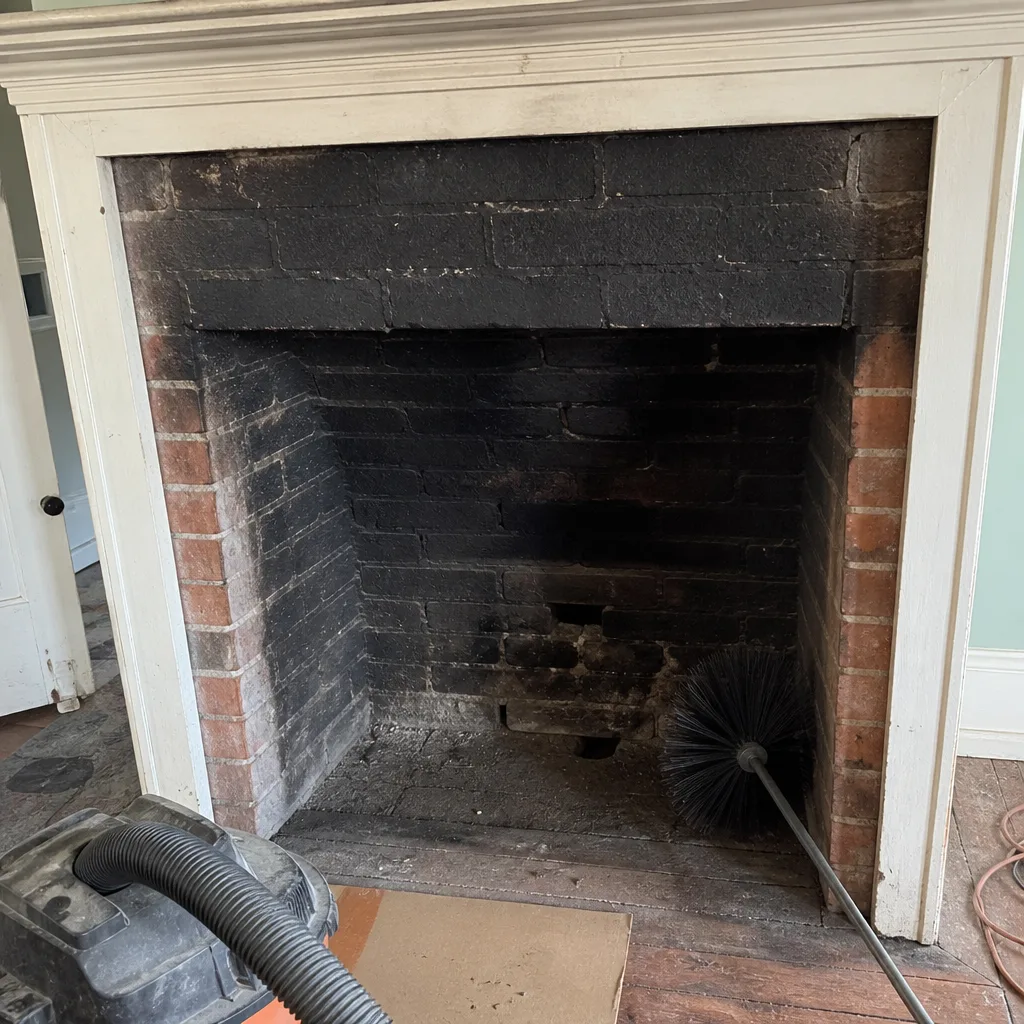 Before
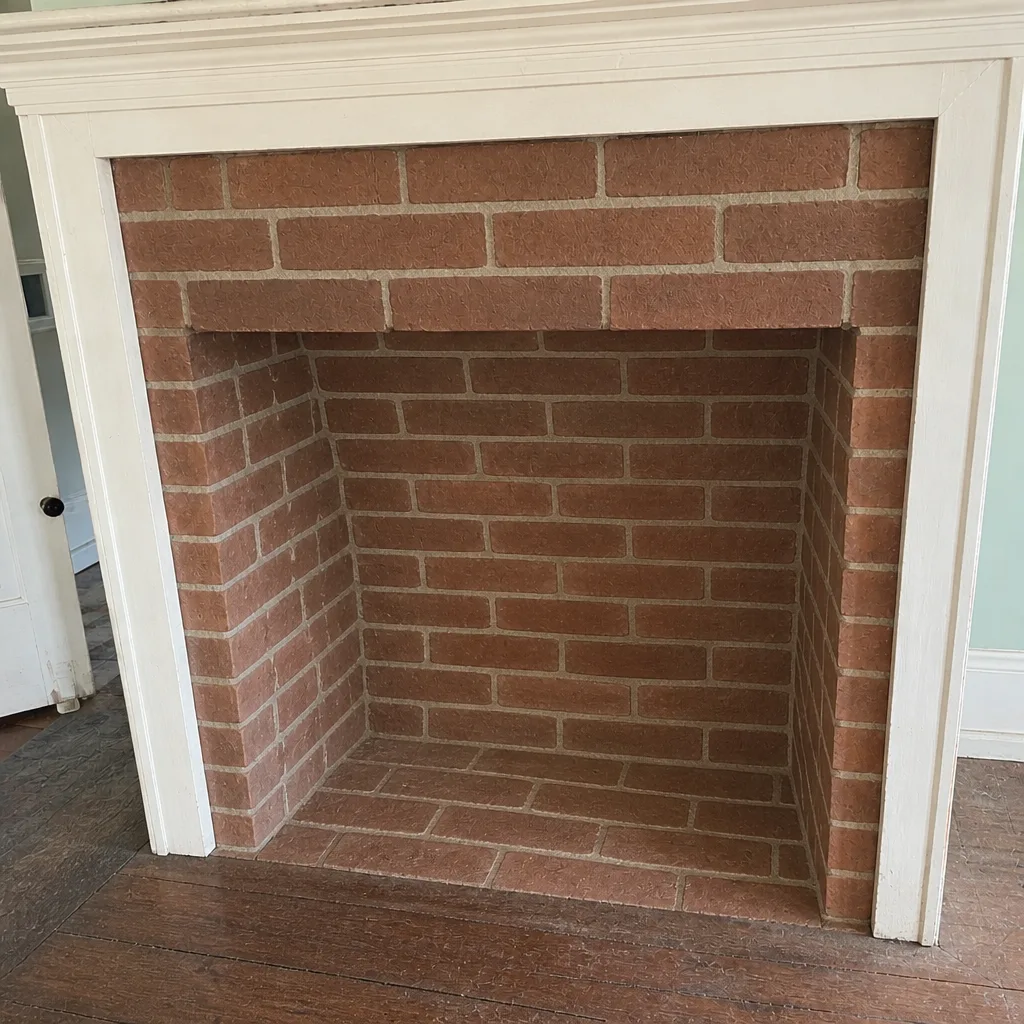 After
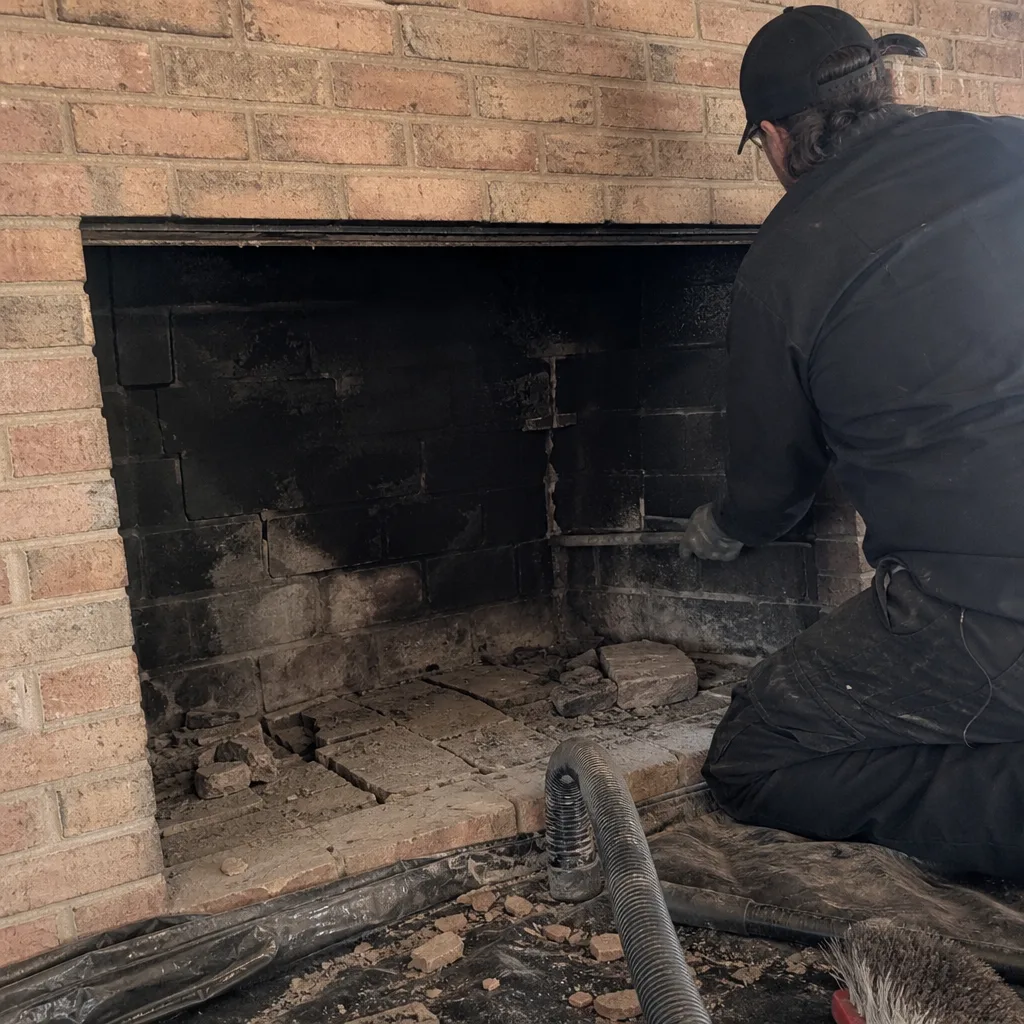 Before
 After
 Before
 After