
Last updated November 15, 2026
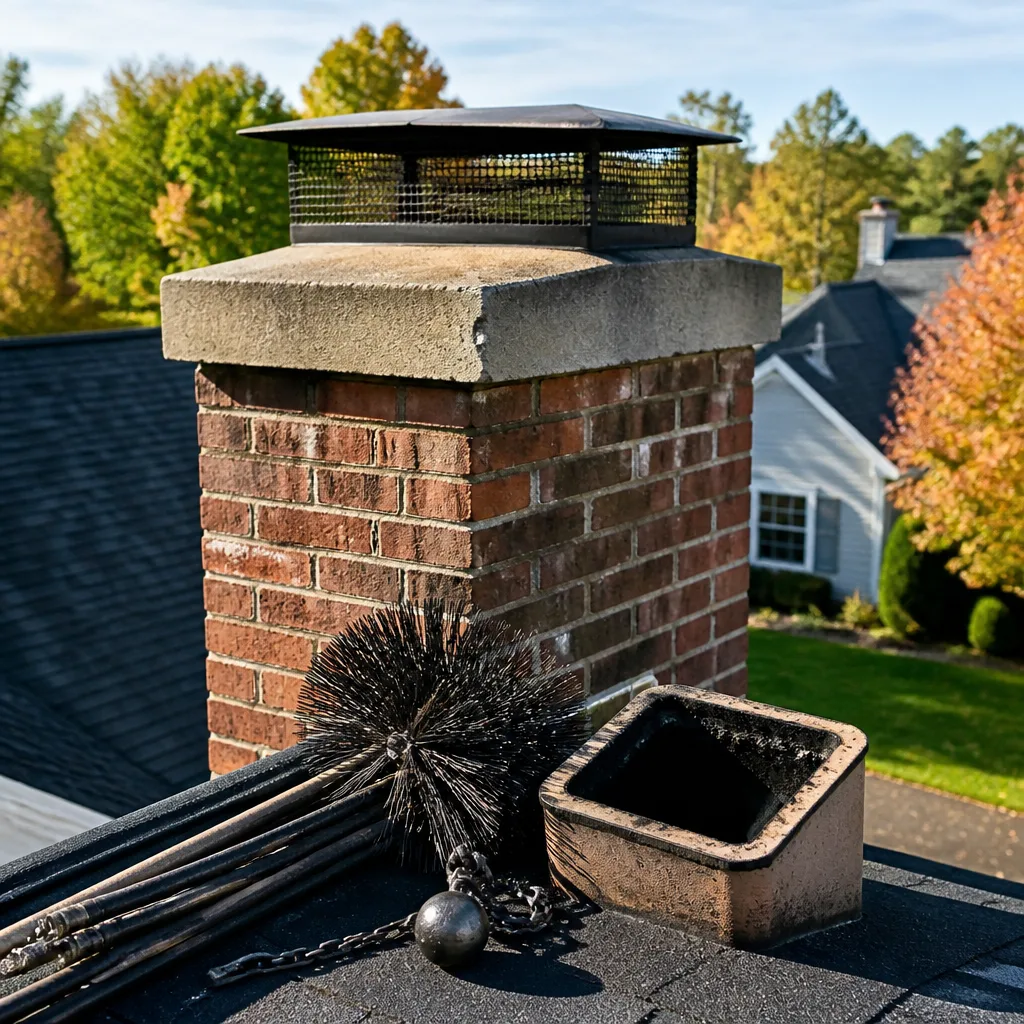 Sweep & inspection
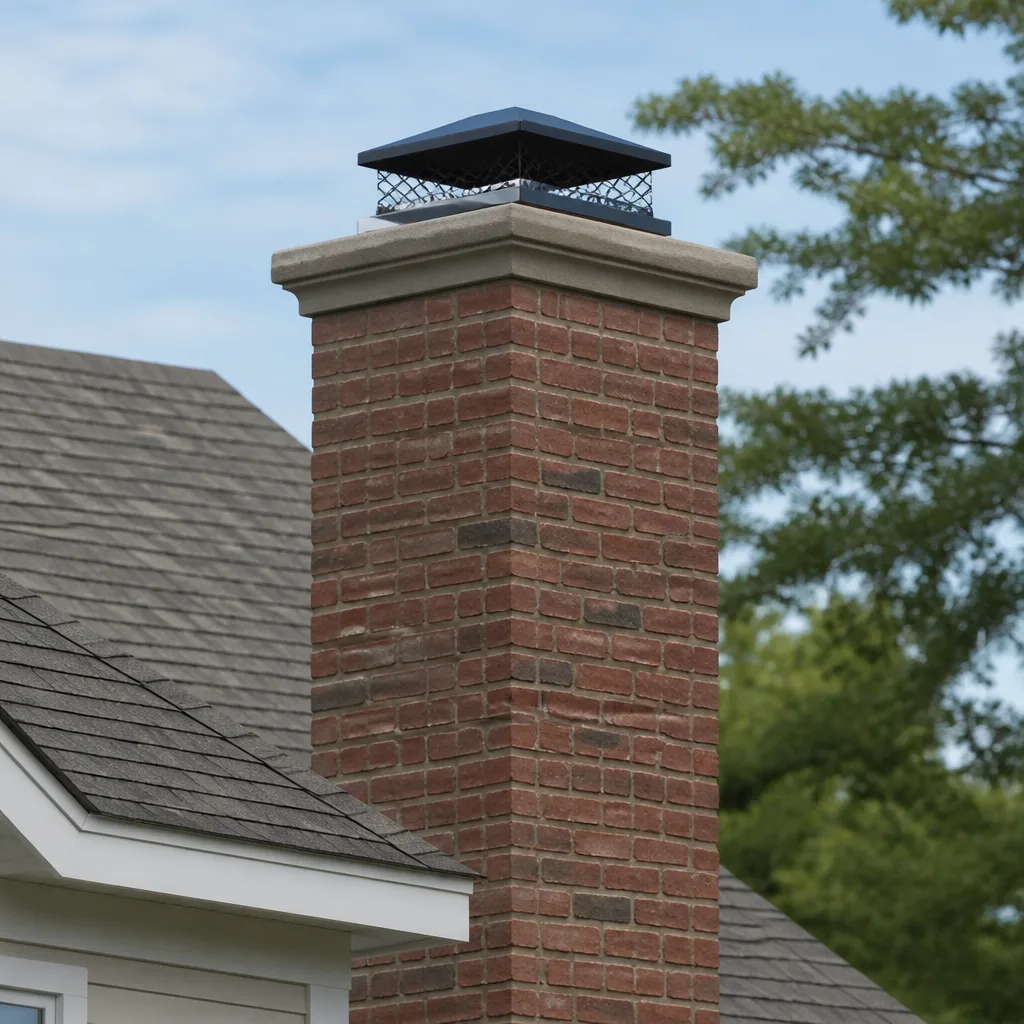 Caps & crowns
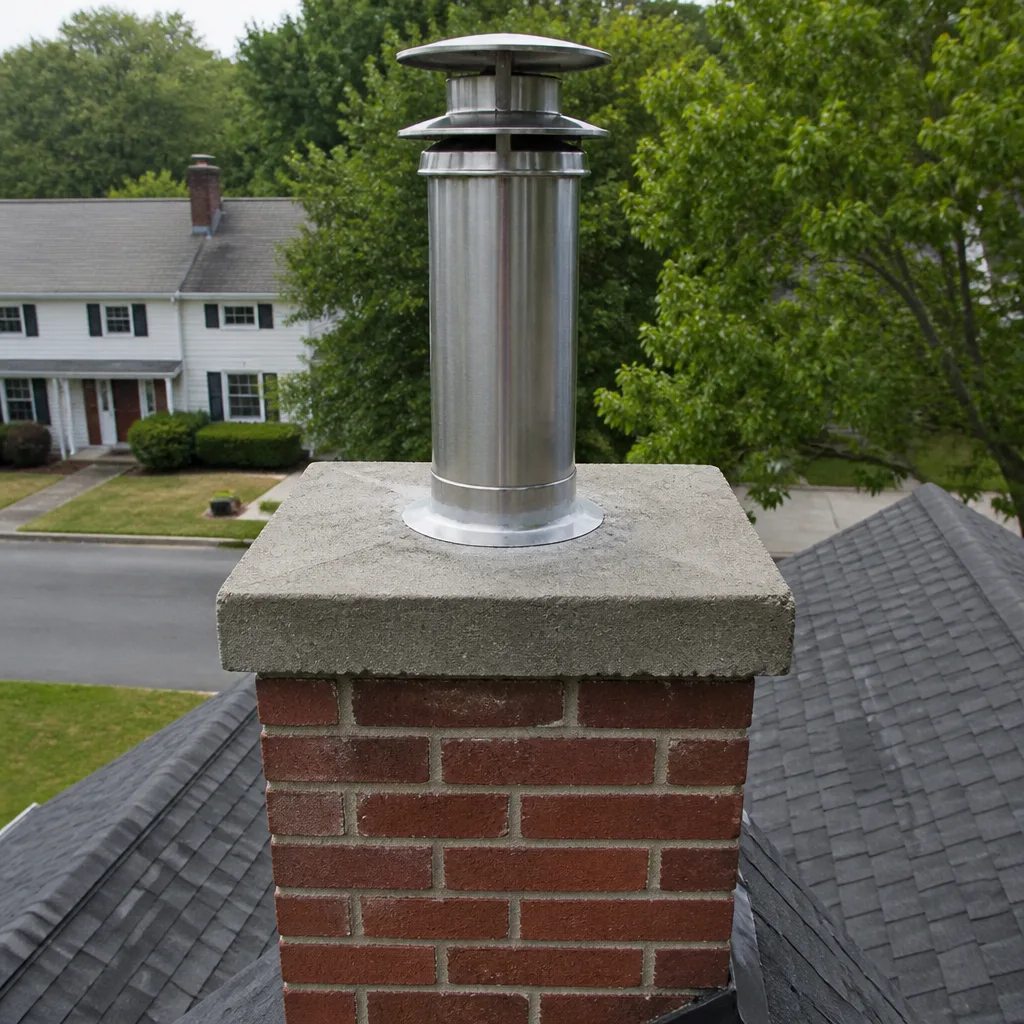 Flue relining
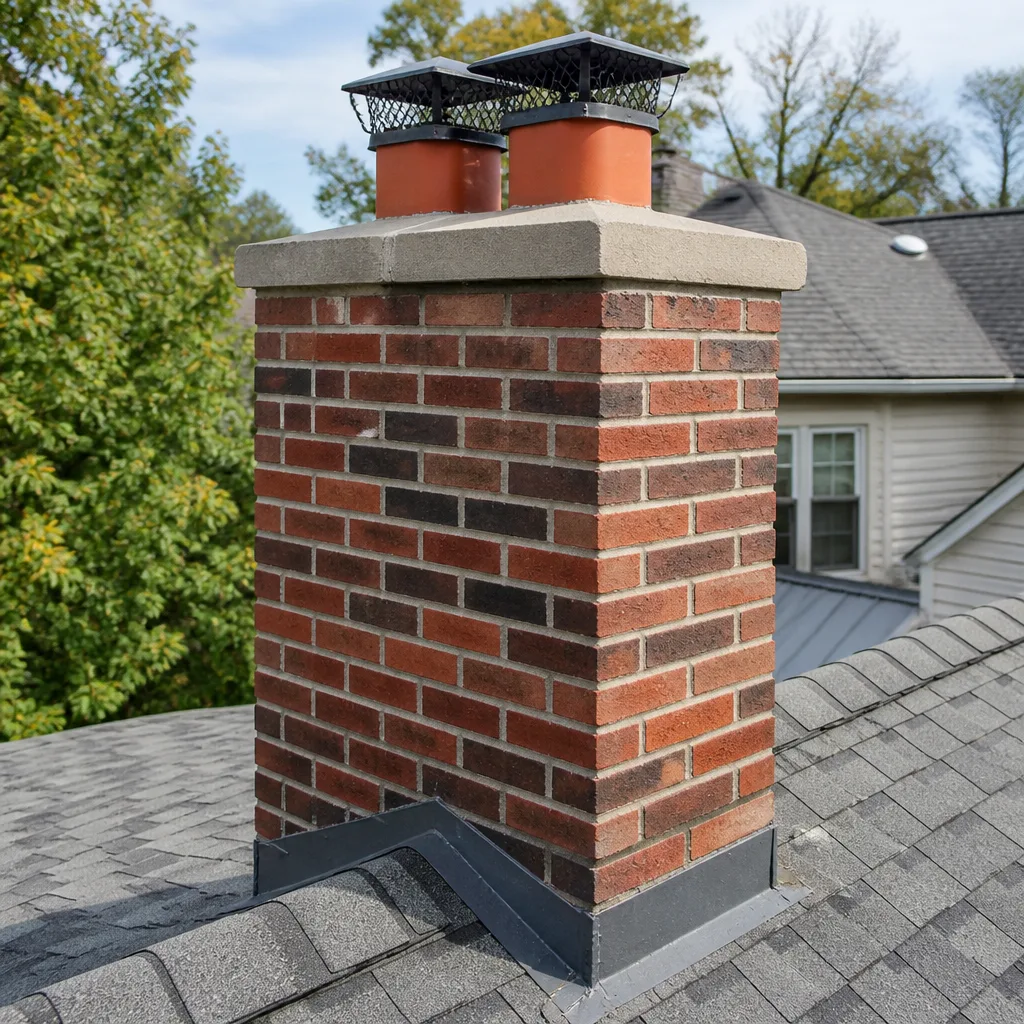 Masonry repair
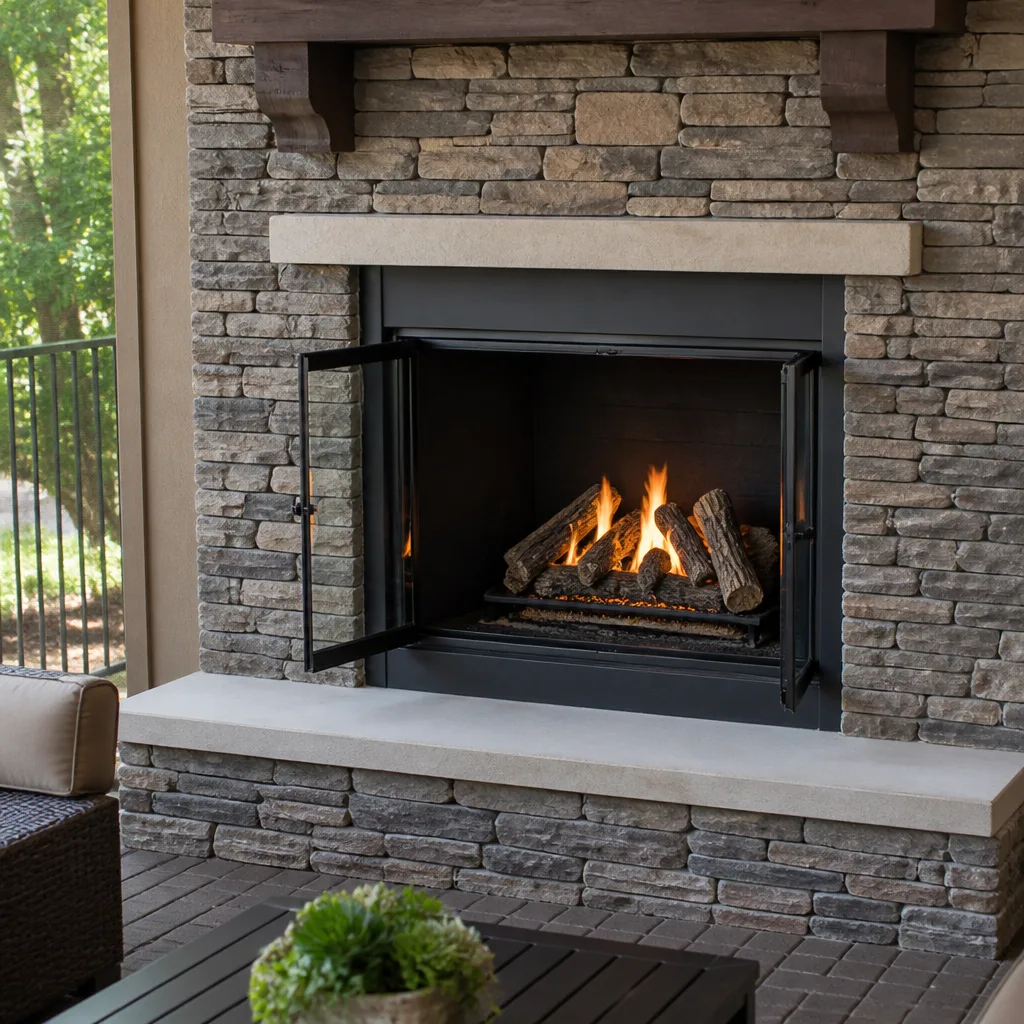 Gas fireplace service
Level 1 sweep and inspection to the NFPA 211 annual standard - flue, crown, cap, and flashing checked and photographed
Chimney sweep logs do not sweep chimneys. They loosen some creosote - which then falls where a brush and vacuum still have to collect it.
Chimney Cleaning Permits, Codes & Inspections in South Bend, IN: What You Need to Know
A chimney sweep doesn’t need a permit. A chimney contractor installing a liner or rebuilding a firebox does. The problem is that most homeowners don’t know which job they’re actually getting until after the work is done. A routine cleaning is maintenance. The moment someone relines a flue, swaps a cap, or rebuilds masonry, that same visit is regulated construction work under Indiana code and South Bend municipal requirements. The difference matters for your safety, your insurance, and the day you sell the house. This guide explains where the permit line actually falls, what “code compliant” means on an inspection report, how NFPA 211 interacts with local enforcement in St. Joseph County, and what can happen when the paperwork never gets filed.
Quick Answer
In South Bend, Indiana, routine chimney cleaning and an annual inspection generally do not require a city permit. Chimney work that changes the structure or its components – a liner replacement, a new or replacement cap on some installations, or a masonry rebuild – typically does require a permit through the city’s building department. Any inspection worth paying for should be performed to the NFPA 211 standard, and a report that doesn’t cite that standard or the relevant code sections is a report you should question.
Styles & brands we work with
- Sweep & inspection
- Caps & crowns
- Flue relining
- Masonry repair
- Gas fireplace service
Table of Contents
- Where the Permit Line Falls in South Bend
- What Indiana Residential Code Chapter 10 Requires
- NFPA 211 and Local Enforcement in St. Joseph County
- What “Code Compliant” Means on an Inspection Report
- When a South Bend Permit Is Actually Required
- The Real Risk of Unpermitted Chimney Work
- Inspection vs. Permit: How the Two Interact
- South Bend Climate and Why Code Matters Here
Where the Permit Line Falls in South Bend
Most homeowners assume a chimney is a chimney and every visit is basically the same. That assumption is where trouble starts. The City of South Bend separates maintenance from construction, and chimney work straddles that line more often than people expect. Cleaning a flue is maintenance. Replacing the flue is construction. Both get done by a chimney professional, but only one of them involves a building department.
Here’s the practical split we explain to homeowners across South Bend:
- Routine sweep – no permit. Removing soot, creosote, and debris from an existing flue is cleaning.
- Annual inspection – no permit. A level 1, 2, or 3 inspection is an assessment, not construction.
- Liner replacement or relining – typically requires a permit. You are installing a new flue system.
- Masonry rebuild or firebox reconstruction – typically requires a permit. Structural work on the chimney itself.
- Cap installation or replacement – often requires a permit when the cap is part of the venting system, and rarely when it’s a simple weather accessory. Ask before assuming.
The reason this catches people off guard is that the same company often does the sweep and the repair. You call for a cleaning, a technician finds a cracked liner, and by the end of the conversation you’re buying a reline. That’s a legitimate finding, and it’s also now permitted work. Our position is simple: we tell you which category your job falls into before we start, not after.
If you’re not sure what you’re actually buying, start with an inspection and ask directly whether the recommended work requires a city permit. A chimney professional should be able to answer that without hesitation. If the answer is “we never pull permits,” that’s a warning sign, not a convenience.
What Indiana Residential Code Chapter 10 Requires
Indiana adopts the International Residential Code with state amendments, and chimney and fireplace requirements land in Chapter 10. You don’t need to read it cover to cover, but you should understand what it’s regulating and why. In plain terms, Chapter 10 sets construction requirements for masonry fireplaces, factory-built fireplaces, chimneys, and vents. It governs clearances to combustibles, flue sizing, chimney height above the roof, and the materials allowed in a flue.
What this means for a homeowner in South Bend:
- Factory-built fireplaces must be installed according to the manufacturer’s listing, and the listing is part of the code requirement. Deviating from it – wrong cap, wrong termination, wrong clearance – is a code problem even if the fireplace looks fine.
- Masonry fireplaces must meet specified clearance and construction standards, including flue lining requirements. A flue that was never lined, or whose lining has deteriorated, doesn’t meet the standard it’s held to.
- Chimneys must be supported, sized, and terminated correctly, including the height requirement above the roof and the 10-foot rule near roof surfaces.
- Clearances to combustible materials are non-negotiable. The code specifies them because house fires start in the gap between a hot flue and framing.
Here’s the part that matters most in practice: an inspection compares your chimney against these requirements. A report that says “liner is deteriorated” is a description. A report that says the flue lining no longer meets the requirements of the applicable code section, and here’s the photo, is documentation. The second kind is what your insurance company and a future buyer will actually look at.
Chapter 10 is also why the inspection-versus-permit distinction isn’t just administrative. Two identical-looking cracks in two identical South Bend homes can sit on opposite sides of the permit line depending on what the remedy involves. If a repair can be made within the existing flue, that’s one path. If the flue has to be relined, that’s the other.
NFPA 211 and Local Enforcement in St. Joseph County
NFPA 211 is the national standard for chimneys, fireplaces, vents, and solid fuel-burning appliances, and it’s the standard a proper chimney inspection is performed to. Indiana’s residential code and the South Bend building department’s review process both lean on it. In practice, NFPA 211 is the technical language a professional uses to describe what’s wrong, and Chapter 10 is the code a permit reviewer uses to decide whether the fix passes.
The two work together, but they don’t do the same job:
- NFPA 211 defines the three inspection levels (1, 2, and 3), what each one must cover, and what condition assessment looks like. It also specifies how a chimney should be constructed and maintained.
- Indiana Residential Code Chapter 10 is the adopted code enforced through the city’s permitting and inspection process. St. Joseph County’s enforcement runs through the local building departments, including South Bend’s.
A level 1 inspection covers readily accessible portions of the chimney, appliance, and venting. A level 2 inspection adds a camera scan of the flue and is required after a chimney fire, after any change in the fuel type or appliance, and at a real estate transaction. A level 3 goes further and involves access to concealed areas when a serious hazard is suspected. Level 2 is where most South Bend homeowners end up when there’s an actual concern, because it’s the level that shows you the inside of the flue instead of guessing at it.
The practical takeaway: ask which inspection level you’re getting and whether it includes a camera scan. A driver’s-side look with a flashlight is not a level 2 inspection, and it doesn’t produce the evidence that satisfies an insurance adjuster or a permit reviewer. When a professional tells you something needs to be fixed, you should be looking at the same photos they are. That’s not a sales tactic; it’s the standard itself.
What “Code Compliant” Means on an Inspection Report
“Code compliant” is two words that get thrown around loosely. On a real report, it means specific. A credible chimney inspection report identifies what was inspected, what was found, and what standard or code section the finding relates to. Vague language – “chimney needs attention” – is not an assessment. It’s a sentence designed to avoid being pinned down.
Here’s what we tell homeowners to look for when reading an inspection report:
- The inspection level. It should state whether it was a level 1, 2, or 3 inspection and describe what that covered.
- Photographic evidence. A camera scan or photo documentation of the flue interior, crown, cap, and firebox. If you can’t see it, it wasn’t really shown to you.
- Specific findings. “Deteriorated liner with gaps visible in the flue” is a finding. “Liner needs replacement” without a visible defect is a guess.
- Reference to the standard. Findings should tie back to NFPA 211 or the applicable IRC Chapter 10 requirement. This is what separates an inspection from an opinion.
- Clear recommendations with a distinction between urgent and deferrable. A serious hazard and a watch-it item are not the same thing, and a good report treats them differently.
A contractor who can’t reference a specific code section or inspection standard when asked is telling you something. It might mean they’re a cleaner who takes a look and offers a guess. It might mean they’re selling work without a technical basis. Either way, that’s exactly the gap we built our service around: the person who finds the problem should be able to point to why it’s a problem, in the language the code and the standard actually use.
If a report says your chimney is code compliant, ask the same question in reverse: which level of inspection produced that conclusion, and what was checked? A clean flue interior from the bottom up is a good sign, but it doesn’t tell you about the crown, the cap, or the clearance to framing. Plenty of chimneys that look fine from inside the firebox have real problems the owners never see.
When a South Bend Permit Is Actually Required
The clearest way to answer this is to work through the specific jobs. Here’s how we break down whether a common chimney task is permitted work in South Bend:
- Liner replacement (relining): Typically requires a permit. This is the installation of a new flue system, whether it’s a stainless flexible liner or a cast-in-place resurfacing product applied to the existing flue.
- Cap installation or replacement: Permit requirements vary by what the cap does. A cap that completes the chimney’s venting system or changes its termination is more likely to require a permit than a simple weather cover. Ask, and get the answer in writing.
- Masonry rebuild: Rebuilding a chimney stack, reconstructing a firebox, or repairing structural masonry typically requires a permit. This is construction, and the building department wants to inspect it.
- Crown repair or replacement: Often categorized with masonry work. Larger crown work is more likely to be permitted work; a small crack repair may not be.
- Routine cleaning: No permit. No construction is taking place.
- Inspection: No permit. It’s an assessment service.
Because permit thresholds can vary with the scope of the job, the right way to know is to ask the building department directly, or to hire a chimney professional who pulls permits as a normal part of their work. The wrong way to know is to assume. A chimney company that does permit work regularly will know exactly what triggers a permit in the city and will include it without being asked.
Our recommendation: about to book a reline or a rebuild? Say the word “permit” in the first phone call. The way the company answers will tell you a lot about how they operate.
The Real Risk of Unpermitted Chimney Work
Unpermitted chimney work is a paperwork problem when it’s happening and a much bigger problem when it surfaces. When it does, it’s usually at one of three moments: an insurance claim, a home sale, or a follow-up inspection.
Here’s what actually happens:
- Insurance claims. If a chimney-related fire or carbon monoxide incident occurs and the work that led to it wasn’t permitted or inspected, your insurer may examine that closely. We can’t tell you how any specific insurer will rule. We can tell you that a permit record and an inspection sign-off are documentation of the work in the way a verbal promise is not.
- Real estate transactions. Home inspectors and buyers in South Bend routinely ask for documentation on recent chimney work. A reline with no permit history is a flag, and it can delay a closing, trigger a re-inspection, or force a price renegotiation. A permit with a final inspection is a non-issue.
- Safety and liability. The code and inspection requirements exist because chimneys move heated exhaust gas and carry fire risk. Unpermitted work bypasses the check that would catch an improperly sized liner or a clearance mistake. That’s the point of the permit.
- Warranty disputes. Some chimney system and liner warranties require installation to code. Unpermitted work can complicate a warranty claim later, and the homeowner is the one holding the receipt.
None of this is meant to alarm. Most of the unpermitted work we come across wasn’t malicious, it was just done by a company that never pulled permits as a habit. The fix is simple: ask about permits before the work happens, keep the paperwork, and when you sell the house you’ve got documentation instead of a question mark. That’s a chimney repair standard worth holding any contractor to.
Inspection vs. Permit: How the Two Interact
Homeowners often conflate these two words. A chimney inspection and a city permit inspection are related, but they are not the same thing, and knowing the difference helps you ask the right questions.
A chimney inspection is a professional assessment of the chimney’s condition, performed to NFPA 211. It produces a report on the state of the flue, the components, and the clearances, and it recommends next steps. It doesn’t authorize any work, and it doesn’t legally require a building permit to be done.
A permit is a building department authorization for regulated work. It comes with an inspection process – the reviewer looks at the permitted work at specific stages and signs off when it’s complete. The permit and its sign-off are what legally document the work.
How they work together in a real South Bend job:
- The chimney sweep or inspection finds a defect, documented with a camera scan and photos.
- The scope of remediation is identified: reline, rebuild, cap replacement, or a repair within the existing flue.
- If the scope requires a permit, the contractor pulls one from the city before starting work.
- The work is completed and the city inspection follows at the appropriate stages.
- The final sign-off, and the chimney inspection report, become your documentation.
Notice that step one can happen without a permit. The permit is triggered by the repair, not the assessment. That’s the entire point of the distinction. You can and should get a chimney inspection before you decide whether you need any repair work at all. The chimney sweep and the inspection are often done together, and neither one requires the city to be involved. The permit question enters when and if a defect is found and the remedy is actual construction.
That’s also why we say an inspection is the highest-value chimney visit you can make. It’s the point where you find out whether you’re in trouble or not, before anyone has spent a dollar on repairs.
South Bend Climate and Why Code Matters Here
South Bend winters put a chimney through real extremes. Temperatures drop well below freezing, then swing back up, then drop again. That cycle matters to the flue. Freeze-thaw movement works on the crown, the masonry, and any mortar joints. A hairline crack in the crown widens over a few seasons. Water gets in, then freezes, then expands, and the crack gets bigger. The same dynamic affects masonry chimneys throughout the region, and it’s the reason a chimney that looked fine in July can look very different by March.
Creosote buildup is the other side of the local picture. Wood-burning fireplaces get worked hard during a long heating season. A slower-burning fire or a fireplace used heavily through January can leave deposits worth sweeping long before the “every other year” advice some homeowners hear. The general guideline from the trade and from the standard is to sweep when there’s a quarter inch of creosote in the flue, or at the start of every heating season. In this climate, both triggers show up regularly.
Why does that connect to code? Because the conditions that stress a chimney in South Bend are the same conditions that expose improper construction and improper materials. A liner that was undersized, a cap that doesn’t shed water, a crown that wasn’t built to slope properly – these fail faster in a hard freeze-thaw climate than they would somewhere milder. The code requirements around materials and clearances exist because the region tests them. When we recommend a liner replacement or a resurfacing job, we’re not guessing at what the winter will do. We’ve seen the same patterns in South Bend homes for years.
What that means for you: a South Bend chimney is worth an annual look, and worth taking seriously when a defect is called out. The difference between “watch it” and “fix it now” is a real one, and a proper inspection will tell you which you’re in.
Common Mistakes to Avoid
- Assuming every chimney service is permit-free. Routine cleaning is. A reline or a rebuild usually isn’t. Knowing which category your job falls into prevents the “who pulled the permit?” problem later.
- Letting the work start without a written scope. A scope that names the liner system, the cap, and the repair method is documentation. “We’ll reline it” on a handshake is not. In South Bend, the permit process starts from that scope.
- Accepting an inspection report that doesn’t cite a standard. If the report doesn’t reference NFPA 211 or the applicable IRC requirement, ask why. A vague report is a red flag, not a formality.
- Skipping a camera scan because the firebox looks fine. The inside of the flue is where the defects show up. If nobody showed you a photo of the flue interior, nobody showed you the chimney.
- Letting a cleaning-only company tell you what to replace. A cleaner and an inspector aren’t the same job. If the company can’t do the repair work, the “finding” is really a referral waiting to happen.
- Ignoring the permit record during a home sale. If you’ve had recent chimney work, keep the permit and inspection sign-off with your home records. It’s a document buyers and their inspectors will ask about in St. Joseph County.
- Assuming the crown and cap are not part of the code picture. They are part of the chimney system and part of its performance. If a cap is missing or failing, that’s a repair question worth documenting, not a cosmetic one.
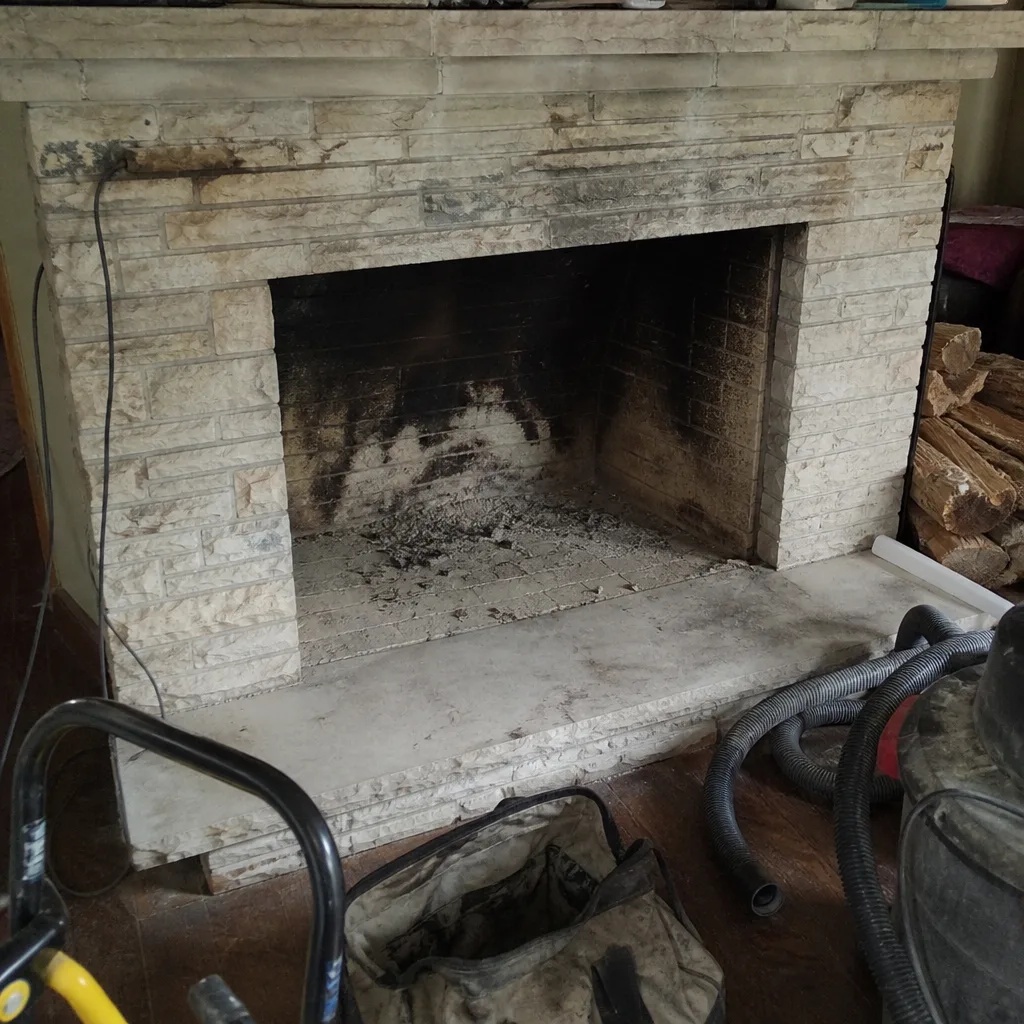
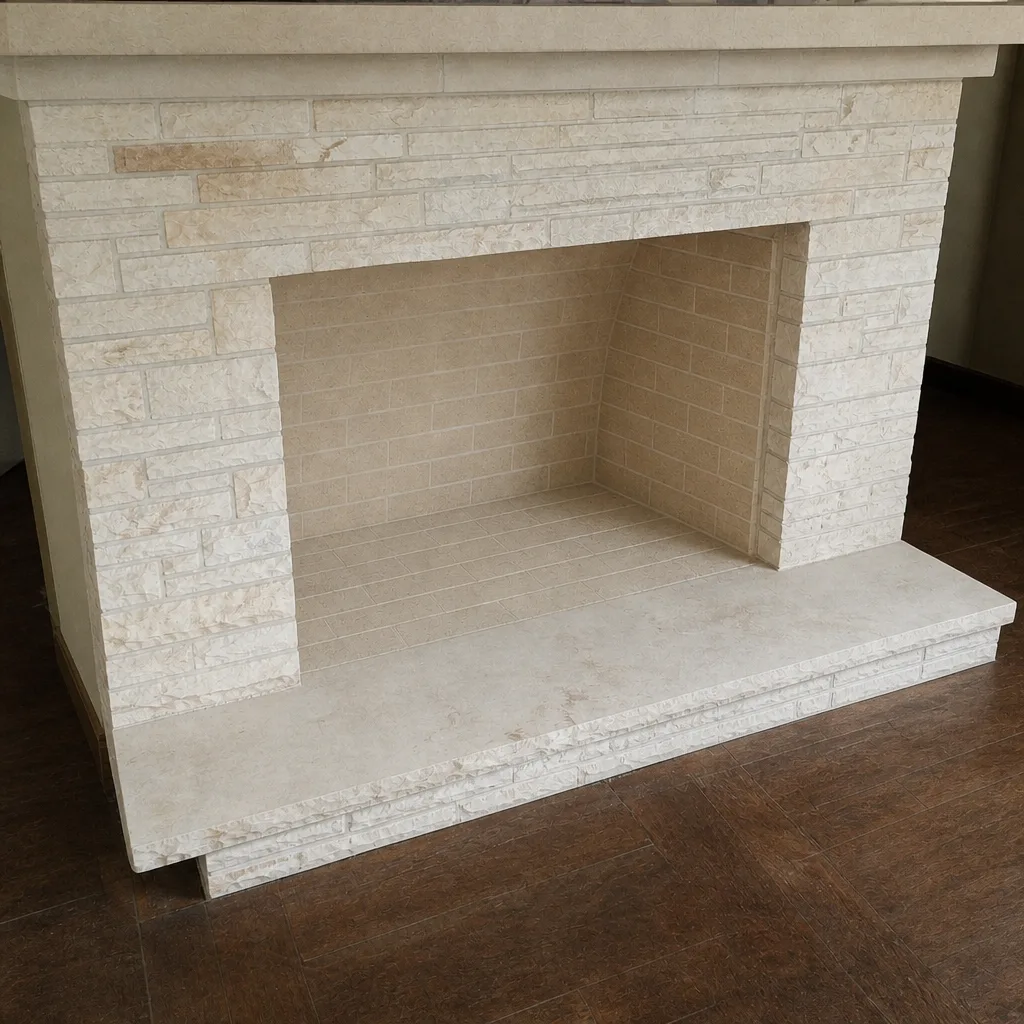
See the difference
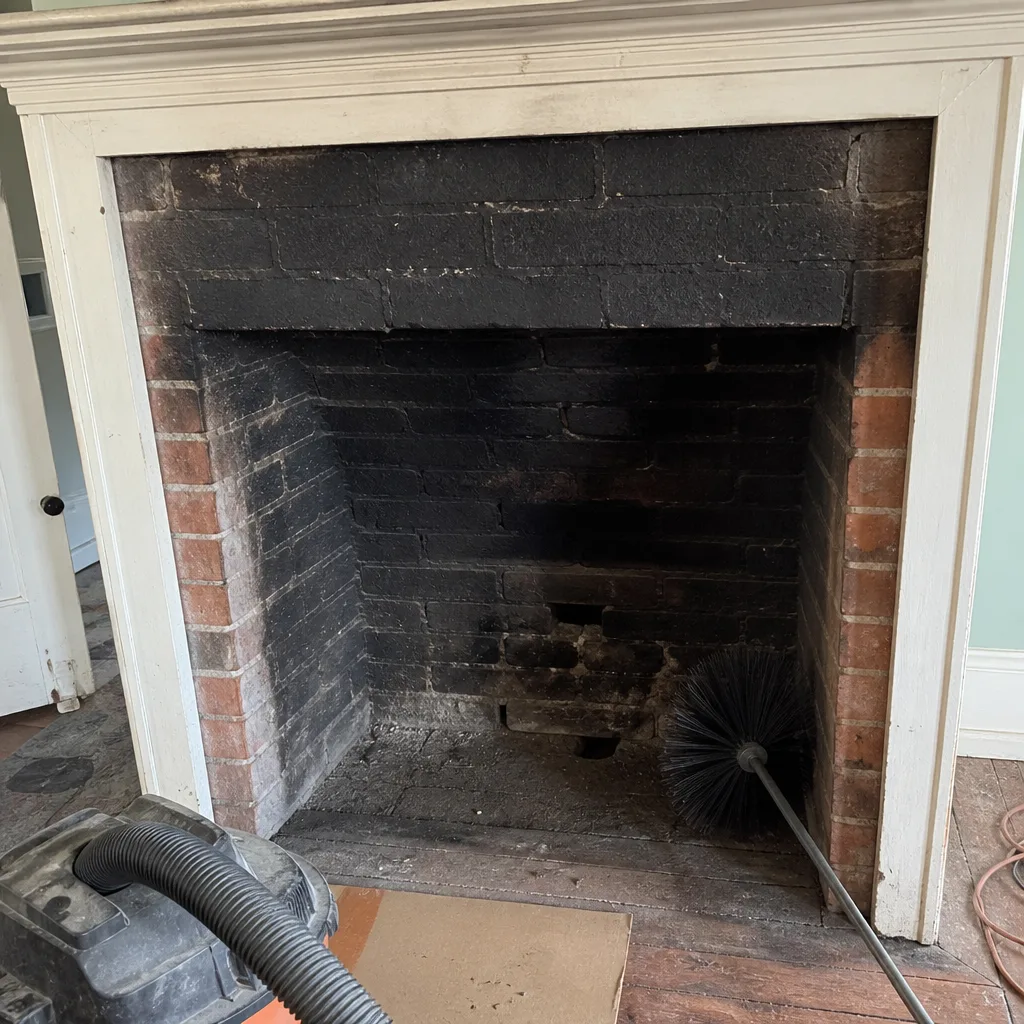 Before
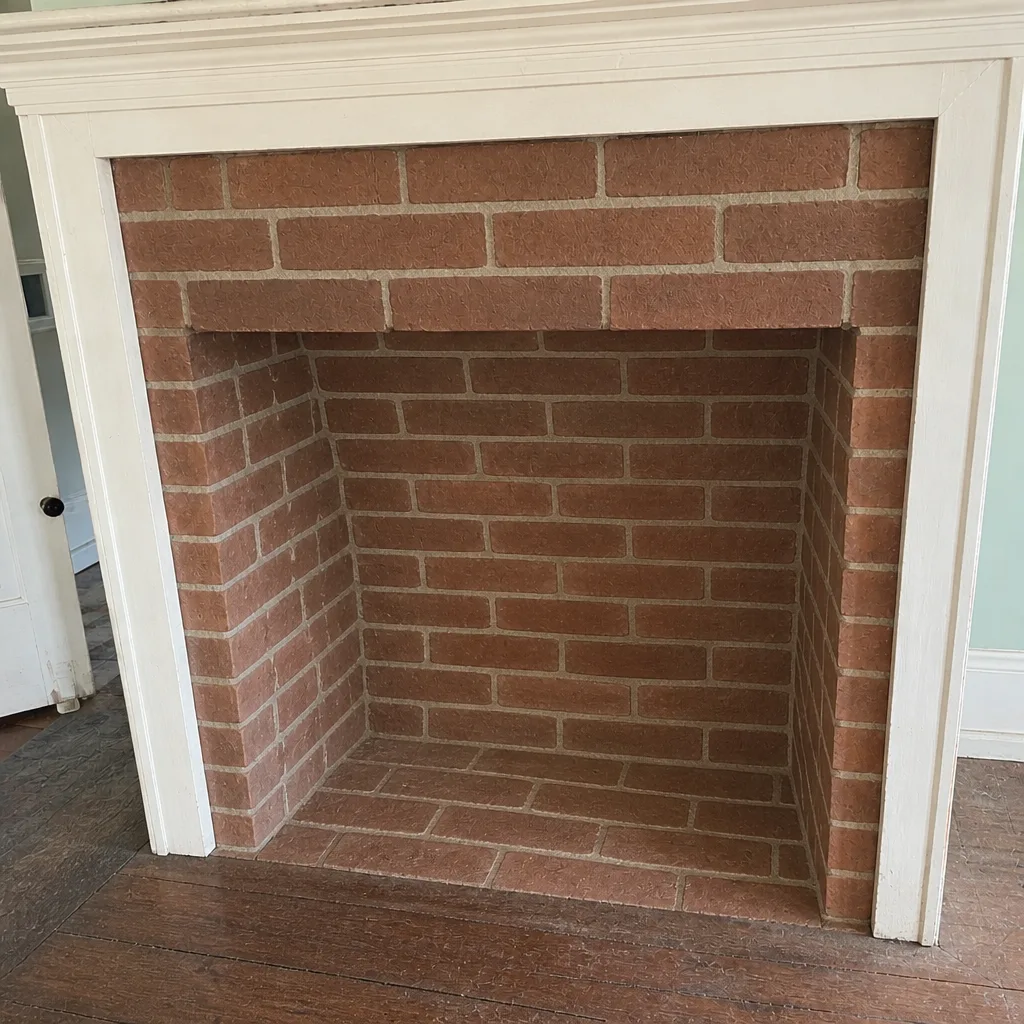 After
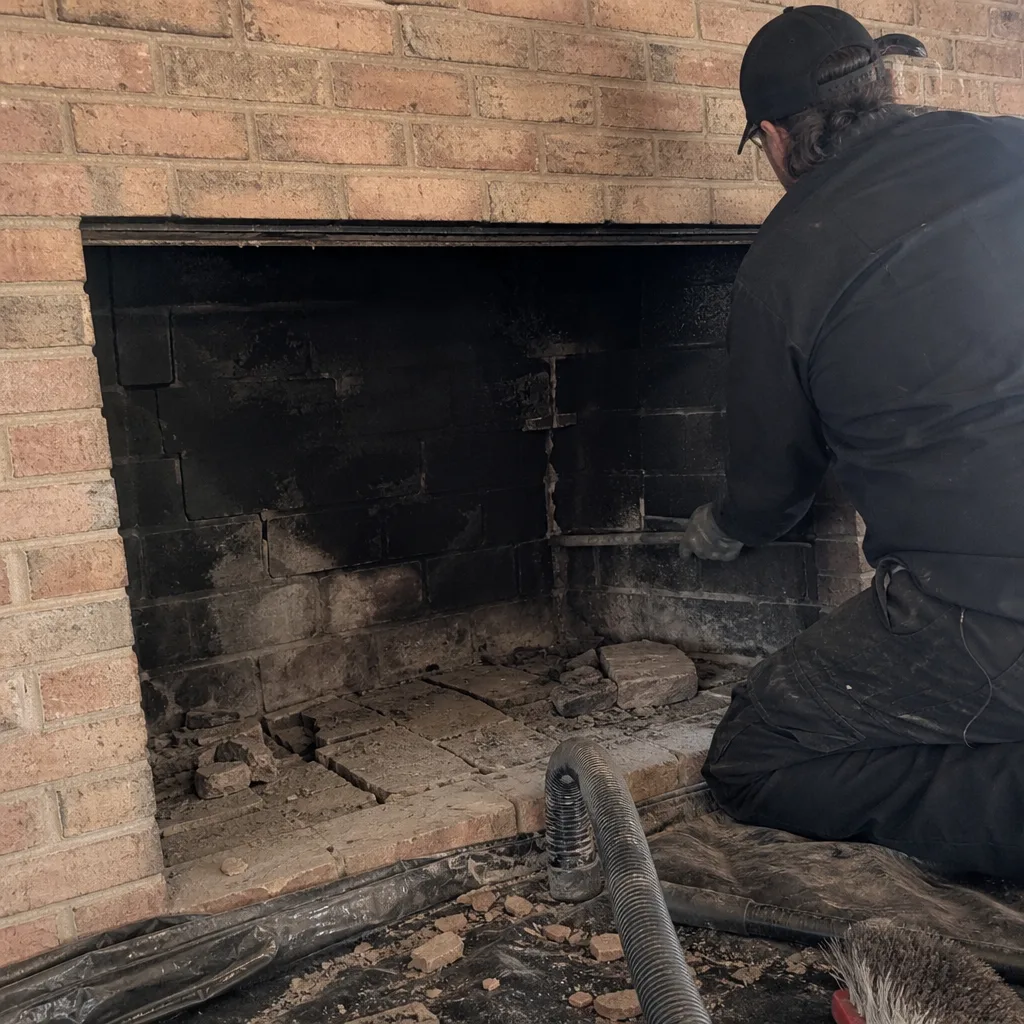 Before
 After
 Before
 After
When to Call a Professional
There are specific points where a professional call stops being optional. Call when there’s a buildup of creosote in the flue, when you’ve never had the chimney inspected, when a fire has been out of the ordinary, or when smoke comes back into the room instead of going up. Call if you’re seeing water stains on the chimney or ceiling near it, cracked or missing masonry in the firebox, a cap that’s missing or loose, or a chimney that’s leaning. Call before burning season begins, so there’s time to address anything the inspection finds. Call when a home sale is in motion and you need documentation on recent work. And call when you’ve been told a repair is needed but you haven’t seen the camera footage that justifies it – nothing should be recommended to you without evidence you can see for yourself. Chimney Sweep South Bend offers free estimates in South Bend – call (888) 334-4231. We answer 24/7. Fast dispatch from 7am to 7pm, Sunday through Friday.
Frequently Asked Questions
No. Routine chimney cleaning is not a permitted activity in South Bend, because no construction work is taking place. A chimney sweep removes soot, creosote, and debris from the existing flue, and an inspection assesses the chimney’s condition. Neither requires city involvement. A liner replacement, a masonry rebuild, or a structural repair is a different category and typically does require a permit. If you’re booking a service and you’re not sure which side of the line it’s on, ask the question directly. Call (888) 334-4231 for an exact quote – estimates are free.
It generally does. Installing a new liner or relining an existing flue is construction work on the venting system, and Indiana’s residential code treats it as such. The City of South Bend’s building department can confirm the specific requirements for your address, and a chimney professional who does liner work regularly will know the requirements and handle the permit as part of the job. If the company you’re talking to never pulls permits, that’s a reason to look elsewhere. Ask about it before you book, not after the liner is in.
NFPA 211 is the national standard for chimneys, fireplaces, vents, and solid fuel-burning appliances. It’s the standard a proper chimney inspection is performed to, and it defines the three inspection levels and what each one must cover. Local code enforcement in St. Joseph County works alongside that standard – the adopted Indiana Residential Code sets the legal requirement, and NFPA 211 sets the technical method. A credible inspection report should reference one or both. A report that references neither is worth questioning, especially when it’s recommending a significant repair.
A code compliant report is a specific report. It states the inspection level, includes photographic or camera evidence of the flue interior, names each finding, and ties each finding to the standard or code requirement it’s judged against. It also separates hazards that need immediate attention from items that can be monitored. If the report reads like a sales pitch instead of an assessment, that’s the tell. You should be able to look at the same photos the technician looked at and understand why a recommendation was made. When you can’t, ask, and don’t be satisfied with a verbal explanation. Call (888) 334-4231 for an exact quote – estimates are free.
It can. Home inspectors and buyers in South Bend routinely ask for documentation on recent chimney work, and a reline or rebuild with no permit history is a question that has to be answered, often during the most time-sensitive part of the transaction. It can delay a closing or trigger a re-inspection. The fix is simple: keep the permit and the final inspection sign-off with your home records, and ask the contractor whether the scope of your job requires a permit before it starts.
Yes, and that’s the right order. A chimney inspection is an assessment and doesn’t commit you to any repair work. It documents what’s actually happening in the flue, shows you the evidence, and lets you decide on the remedy with the facts in hand. If the inspection shows a defect that needs a liner replacement or other permitted work, you’ll know the category, and the permit discussion starts from there. Nothing is recommended without camera evidence you can see for yourself, and a good inspection will tell you plainly when a repair can safely wait. Call (888) 334-4231 for an exact quote – estimates are free.
The Bottom Line
The dividing line in South Bend isn’t between “chimney work” and “no chimney work” – it’s between maintenance and construction. Cleaning and inspection stay on one side. Liners, caps in some configurations, and masonry rebuilds sit on the other, and that’s where permits, code sections, and NFPA 211 enter the picture. Know which side of the line your job is on before it starts. Ask for a camera scan you can see. Ask about permits in the first phone call. Keep the paperwork when the work is done. That sequence is what protects your safety, your insurance claim, and your future home sale, and it’s how we approach every chimney in South Bend.
If you’re ready for an honest assessment of your chimney – and a clear answer on what does and doesn’t require a permit – Chimney Sweep South Bend can help. We work with professional-grade brands like DuraFlex and HeatShield for liner and flue work, and Gelco, Olympia Chimney, and Famco for caps and covers, and our technicians have up to 10 years of experience. We identify the problem, then fix it – in one call. Call (888) 334-4231 for a free estimate. We answer 24/7. Fast dispatch from 7am to 7pm, Sunday through Friday.
Written by the team at Chimney Sweep South Bend.