
Last updated November 15, 2026
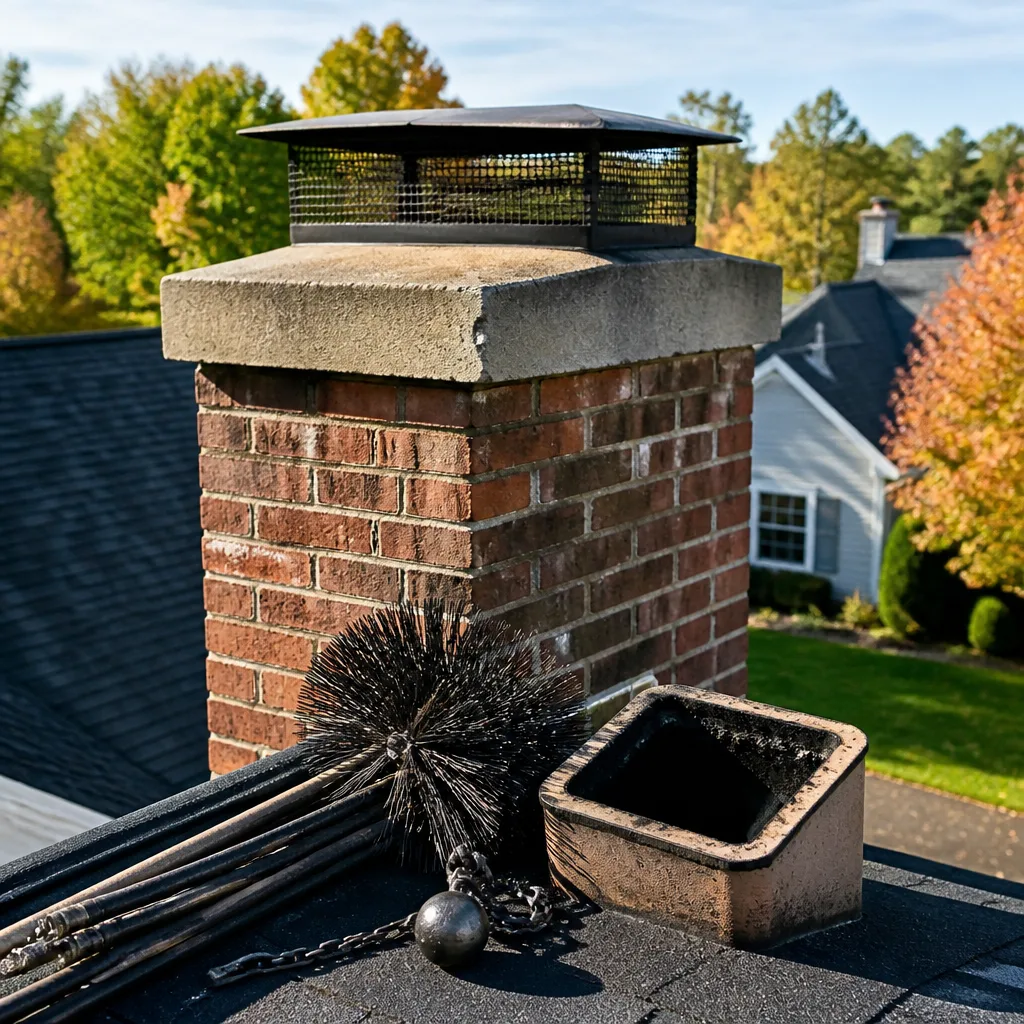 Sweep & inspection
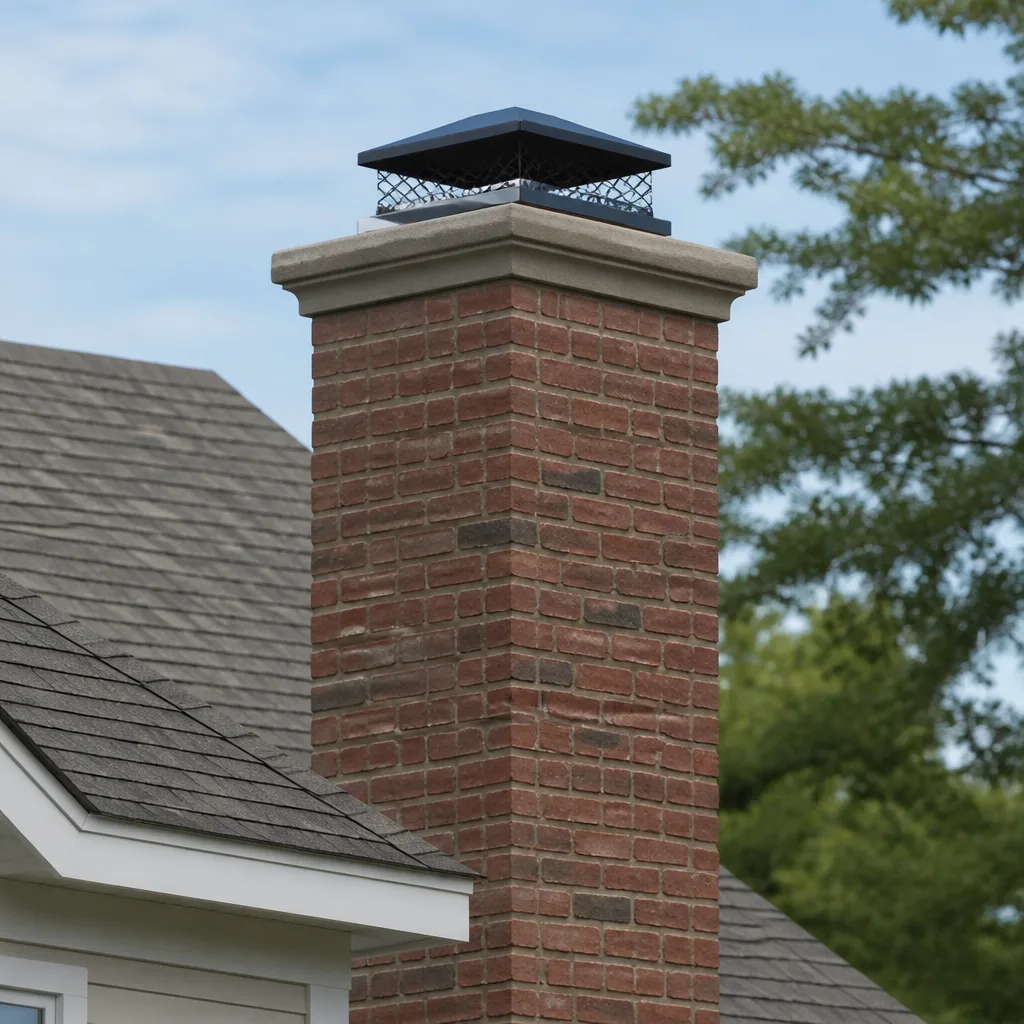 Caps & crowns
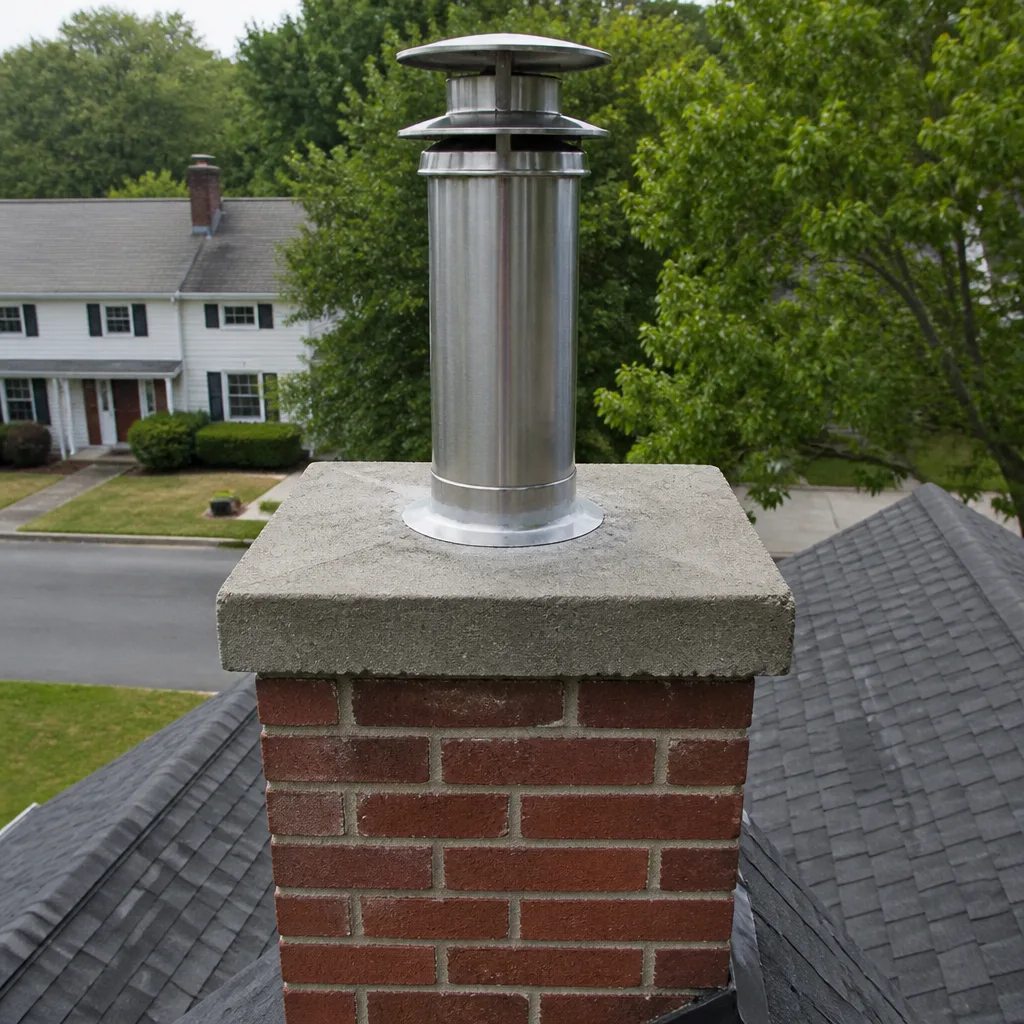 Flue relining
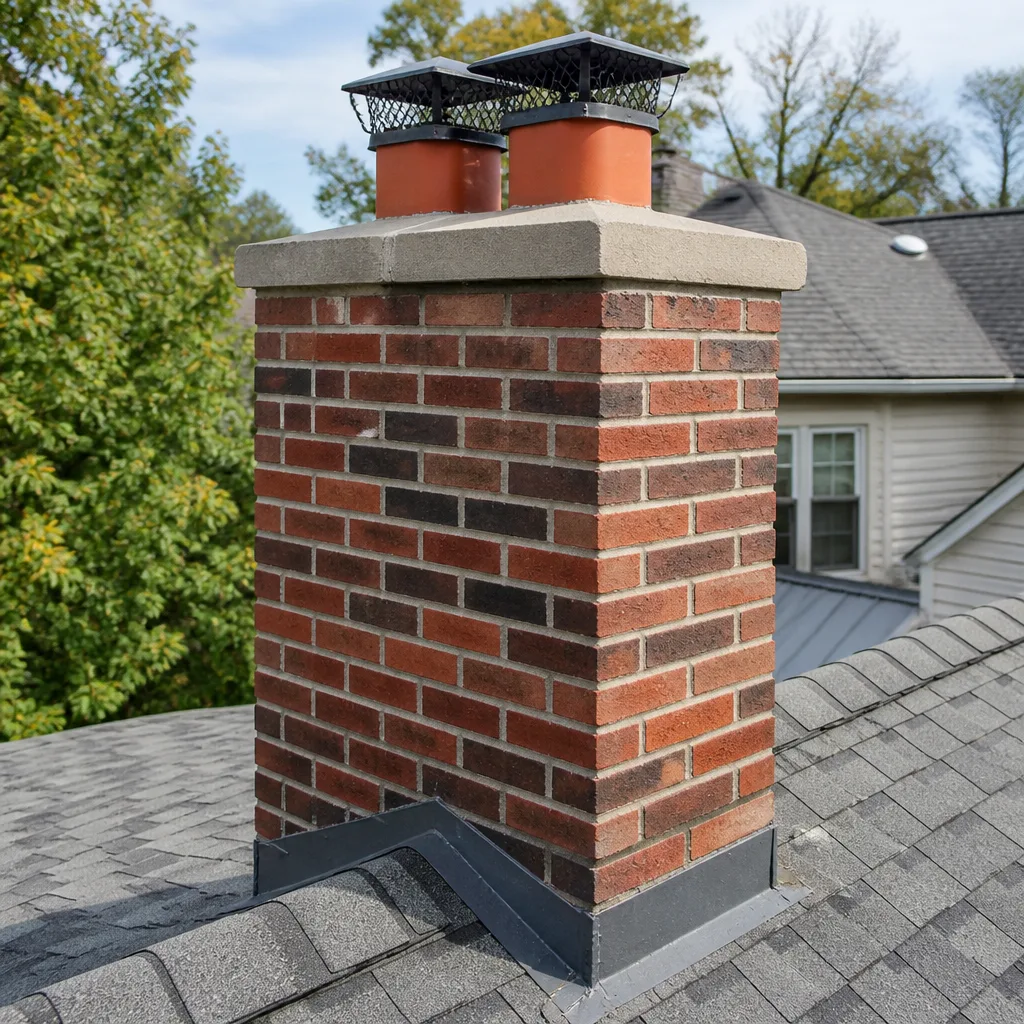 Masonry repair
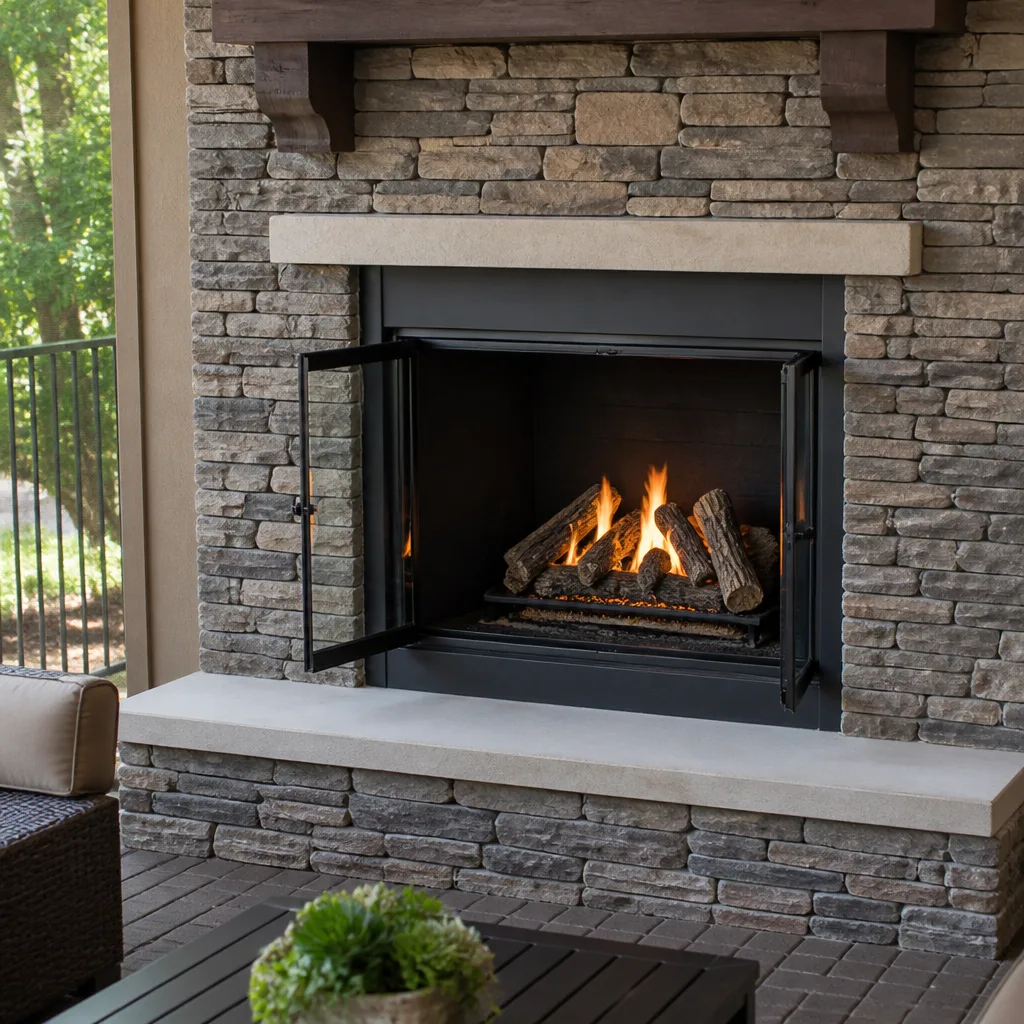 Gas fireplace service
Level 1 sweep and inspection to the NFPA 211 annual standard - flue, crown, cap, and flashing checked and photographed
Chimney sweep logs do not sweep chimneys. They loosen some creosote - which then falls where a brush and vacuum still have to collect it.
Chimney Sweep Maintenance Checklist for South Bend Homeowners
Most chimney problems that cost real money weren’t caused by the fire. They were caused by a missing piece of paper. A homeowner who can’t produce a written inspection record has no way to show an insurer or a buyer what condition the flue was in, and that gap shows up at the worst possible moment. Your homeowner’s insurance policy is a contract, and part of that contract is reasonable maintenance. Skip it, and a fire-related claim can be denied. This guide gives you the checklist South Bend inspectors and insurers actually want to see, from the visual checks you can do yourself to the documentation you should keep after every professional sweep.
Quick Answer
A chimney maintenance checklist for a South Bend home should include three layers: self-checks you do twice a year (crown, cap, flashing, firebox), a professional sweep and inspection based on fuel type (yearly for wood, differently for gas and pellet), and a written service record you keep with your closing documents. Liner condition and firebox mortar joints are the two items most often skipped, and they’re the two that become expensive surprises at resale.
Styles & brands we work with
- Sweep & inspection
- Caps & crowns
- Flue relining
- Masonry repair
- Gas fireplace service
Table of Contents
- Why a Checklist Beats a Reminder
- The Self-Check: What to Look For Before You Call Anyone
- What a Legitimate Service Record Should Contain
- Maintenance Intervals by Fuel Type: Wood, Gas, and Pellet
- Indiana Factors That Affect Your Damper and Liner
- How South Bend Seasons Shape Chimney Wear
- The Two Checklist Items South Bend Homeowners Skip
- The Resale File: Building Your Documentation Packet
Why a Checklist Beats a Reminder
A reminder is a sticky note that says “sweep the chimney.” A checklist is a record. Those are different things, and only one of them protects you.
Think about what happens in a home insurance claim after a chimney fire. The adjuster doesn’t ask whether you meant to maintain the chimney. The adjuster asks for evidence. Was the chimney swept? When? By whom? Is there a document showing the flue was inspected and found sound? If the answer is a shrug, the insurer has grounds to argue the loss came from neglect rather than an unavoidable event. That’s not a scare tactic, it’s how property claims work, and in Indiana insurers are within their rights to deny a claim tied to deferred maintenance.
The same file matters at resale. A buyer’s inspector will look at the chimney, note the liner condition and the firebox mortar, and recommend further evaluation. Without documentation showing the chimney has been maintained and the flue is sound, that recommendation turns into a contingency, and a contingency turns into a negotiation. Homeowners in South Bend who keep a clean paper trail skip that whole conversation.
What we’re describing here isn’t paperwork for its own sake. It’s a maintenance system where every task produces a record. Everything below builds toward that. The self-checks give you a baseline. The professional sweep and inspection produce a document. The document is what you hand to your insurer or your buyer. Once you see the checklist that way, the annual visit stops feeling like an errand and starts feeling like asset protection.
The Self-Check: What to Look For Before You Call Anyone
You don’t need a ladder for most of this. A pair of binoculars, a flashlight, and a few minutes twice a year (spring and fall work well) will tell you whether your chimney needs attention now or can wait. Here’s what to look at and what “bad” actually looks like.
The crown
The crown is the concrete or masonry cap at the very top of the chimney that sheds water away from the flue. A healthy crown is intact with a slight slope away from the flue opening. Bad looks like visible cracks, a crown that’s pulling away from the flue, crumbling edges, or any place water can pool instead of run off. A cracked crown lets water into the masonry, and in a climate with hard freeze cycles that water does real damage.
The cap and spark arrestor
The cap covers the flue opening; the spark arrestor is the mesh screen that keeps embers, birds, and debris out. Bad looks like a cap that’s missing entirely, bent or rusted through, a screen torn or clogged with soot, or a cap sitting crooked. A missing cap is one of the most common things we find, and it’s also one of the cheapest to fix before it becomes a masonry repair. We install and source caps and covers from professional supply lines like Copperfield and Olympia Chimney, which are built for weather resistance rather than a hardware-store workaround.
The flashing
Flashing is the metal where the chimney meets the roof, sealing that seam against rain and snow. Bad looks like flashing that’s lifted, rusted, or sealed with a smear of caulk instead of proper metal work. Look for staining on the chimney sides below the roofline, which suggests water is getting in at the seam.
The firebox
Inside the firebox, shine a flashlight on the brick and mortar joints. Bad looks like crumbled or missing mortar between the bricks, cracks in the firebrick, or a firebox floor that’s soft or pitted. Firebox mortar is load-bearing in a way people don’t expect, and deteriorating joints let heat reach materials that were never meant to see it.
The damper
Open and close it. Bad looks like a damper that sticks, won’t seal flat, or has rusted through. A damper that won’t close means heat goes up the chimney when the fireplace is idle, and a damper that won’t open means smoke comes into the room.
None of these checks require you to climb on the roof. If something looks wrong, that’s your signal to bring in a professional rather than investigate closer. Roof work is a genuine fall hazard, and the inspection and repair side of this belongs to trained technicians.
What a Legitimate Service Record Should Contain
After a professional sweep, you should receive a written service record. Not a receipt with a total on it. A record. Here’s what should appear on one, and if any of it is missing, ask for it before the technician leaves.
- Date of service and the address. Sounds obvious, but a record tied to no property is worthless in a claim or a sale.
- Type of service performed, stated plainly. A sweep, an inspection, and a repair are three different services. The record should name what was actually done.
- Chimney type and fuel type. Wood-burning fireplace, insert, gas appliance, pellet stove. Each has different maintenance expectations, and the record should say which applies to your home.
- Condition findings. Soot and creosote levels, liner condition, firebox and mortar condition, crown, cap, and flashing observations. A legitimate record tells you what was found, not just that work was done.
- Photos where relevant. A camera inspection of the flue produces images. Those images are the evidence that supports the written findings, and you should keep them.
- Recommendations, separated from completed work. The record should clearly distinguish “we did this today” from “this should be addressed.” That distinction is how you know you’re not being sold work you don’t need.
- Technician credentials noted. The record should reflect that the work was done by a trained professional. Ask what the technician is qualified for if it isn’t stated.
- Company contact information. So the next owner, or your insurer, can reach the company that performed the work.
Store this with your home records, not in a drawer next to the fireplace where it’ll get lost. A simple folder, physical or digital, labeled “chimney” is all you need. Every sweep, every inspection, every repair receipt goes in it. When a buyer’s inspector raises a question, you open the folder.
Our technicians have up to 10 years of experience, and the difference between a record that protects you and a receipt that doesn’t usually comes down to whether the technician took the time to document findings. Ask for it. A professional expects the question.
Maintenance Intervals by Fuel Type: Wood, Gas, and Pellet
This is where a generic checklist falls apart. Wood, gas, and pellet appliances don’t follow the same schedule, and treating them the same means either over-servicing one or under-servicing another. Here’s how the intervals actually differ.
Wood-burning fireplaces, inserts, and stoves
Wood is the fuel that produces creosote, and creosote is the reason chimney sweeping exists. The general guidance is an annual sweep and inspection for a wood-burning appliance, with the sweep timed to your burning habits. A household that burns heavily through a South Bend winter may need more frequent cleaning than one that lights a fire a few times a month. The honest answer is that the right interval depends on how much you burn and how well the fire is run, which is exactly what an inspection determines. Creosote buildup happens in layers, and a professional sweep can measure it and tell you whether annual is enough or whether you’re on a shorter cycle.
Gas fireplaces and gas appliances
Gas doesn’t produce creosote the way wood does, so the maintenance rhythm is different. Gas appliances still need annual inspection and servicing, but the focus shifts from creosote removal to checking the venting, the burner, and the condition of the flue. A gas appliance that vents improperly is a carbon monoxide concern, and that’s the reason the annual inspection matters even when there’s nothing visible to clean. Don’t skip it because “there’s no soot to sweep.”
Pellet stoves
Pellet stoves burn cleaner than wood but still produce ash and require regular attention. The appliance itself needs cleaning on a schedule set by the manufacturer, and the venting needs an annual inspection and cleaning. Pellet venting can clog with ash in ways that reduce draft and affect how the stove burns, so the vent side of the checklist belongs on the calendar even when the firebox looks fine.
If you’re not sure which category your setup falls into, or you’ve inherited a fireplace from a previous owner and don’t know its service history, that’s a good reason to book a chimney sweep and inspection to establish a baseline. Once you know what you have, the interval becomes obvious.
One more thing worth saying plainly: the interval is a starting point, not a rule that overrides what the inspection finds. A wood-burning chimney that shows heavy creosote after a single season needs attention sooner than the calendar says. The inspection is what sets the real schedule.
Indiana Factors That Affect Your Damper and Liner
Chimney maintenance in South Bend isn’t identical to chimney maintenance in a mild climate, and it isn’t identical to a hot, dry one either. Two local factors shape what your damper and liner need.
Building code requirements
Chimney construction and repair in Indiana falls under adopted building codes, and those codes shape what a compliant flue looks like. When a liner is replaced or a flue is resurfaced, the work needs to meet the code as adopted locally. The practical implication for a homeowner is that a liner repair done to code is different from a patch job, and it’s worth confirming that whoever does the work understands the local requirements. If you’re unsure what applies to your home, your city’s building department is the authority to ask. We’re chimney specialists, not code officials, and we don’t pretend otherwise.
Damper maintenance
The damper is a moving part exposed to heat, soot, and moisture, and it’s the component most likely to fail quietly. A damper that won’t seal means your heated air escapes up the flue all winter, and in a cold-climate home that shows up on the energy bill. A damper that won’t open fully means smoke comes into the room. Both are maintenance items, and both should be checked at every annual visit. A top-sealing damper is a common upgrade for a fireplace that’s rarely used, and it belongs in the conversation about efficiency rather than safety.
Liner condition
The liner is the flue’s protective inner surface, and it’s what keeps heat and combustion gases away from the structure of the house. A cracked or deteriorated liner is a genuine safety concern, not a cosmetic one. This is why the liner is a required item in every inspection. If a liner is failing, a flexible relining system like DuraFlex is one way to restore it, and a ceramic resurfacing product like HeatShield can, in some cases, extend the life of a flue without a full liner replacement. That option is worth knowing about because it can save significant cost, but it’s only appropriate when the inspection supports it. No one should be selling you a reline before you’ve seen the evidence.
How South Bend Seasons Shape Chimney Wear
South Bend sits in a climate with real winters and hard freeze cycles, and that pattern does specific things to a chimney over a year.
Freeze-thaw is the big one. Water gets into masonry through a cracked crown or failing flashing, freezes, expands, and pushes the masonry apart. Repeat that across a winter and a small crack becomes a real repair. This is why crown and flashing checks belong in the spring and fall, before the first hard freeze and again after the thaw. Catching a crack in October is cheap. Catching it in April, after a winter of freeze-thaw, is often a masonry job.
Humidity swings matter too. A chimney that’s warm on the inside and cold on the outside condenses moisture on the flue, and that moisture combines with soot to create conditions that accelerate creosote problems. It’s one more reason the annual inspection is the anchor of the whole checklist.
Then there’s the burning season itself. South Bend winters mean a lot of hours of wood burning, which means creosote builds faster than it would in a milder climate. A chimney that sees heavy use from November through March is on a different cycle than one used occasionally. If your household burns hard, plan the sweep before the season starts, not after a problem shows up.
None of this is a reason to panic about your chimney. It’s a reason to look at it twice a year and have it professionally evaluated once a year. The climate here rewards homeowners who stay ahead of it, and the checklist above is how you do that.
See the difference
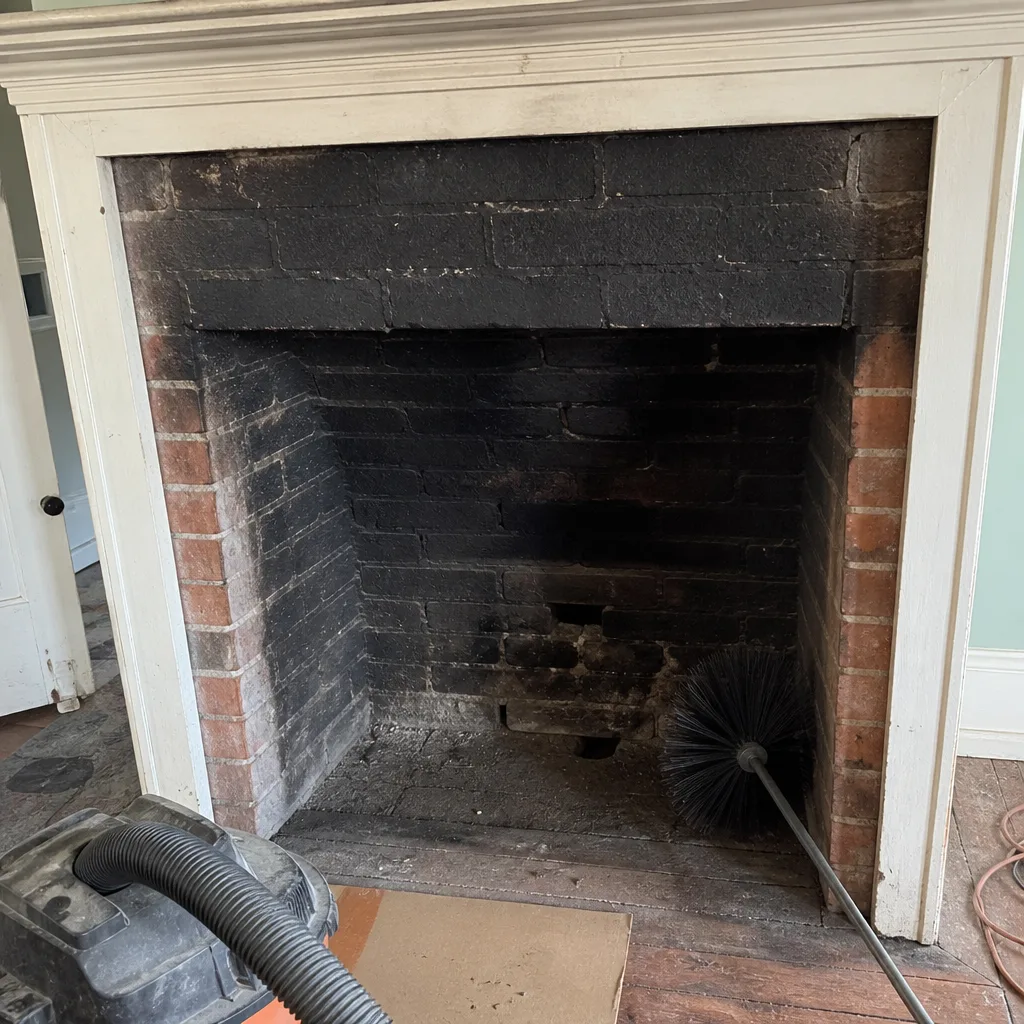 Before
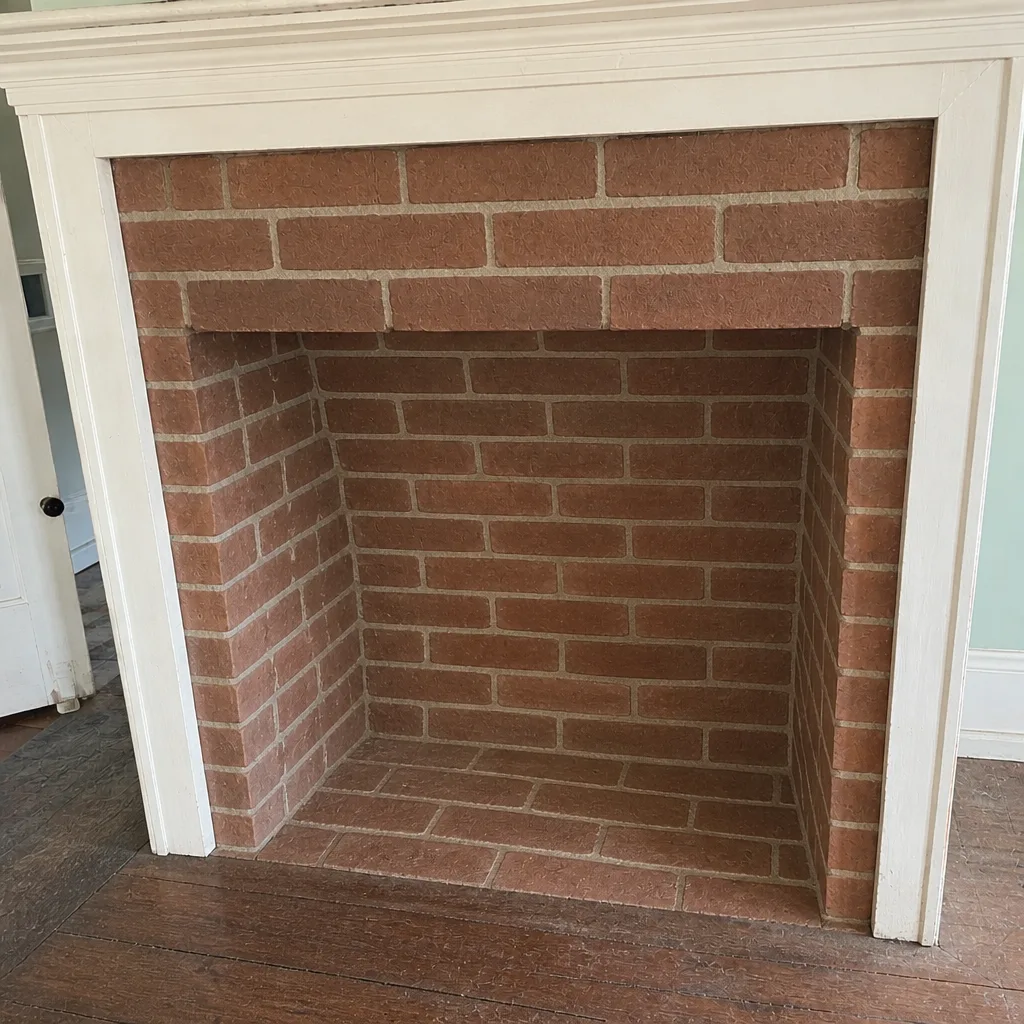 After
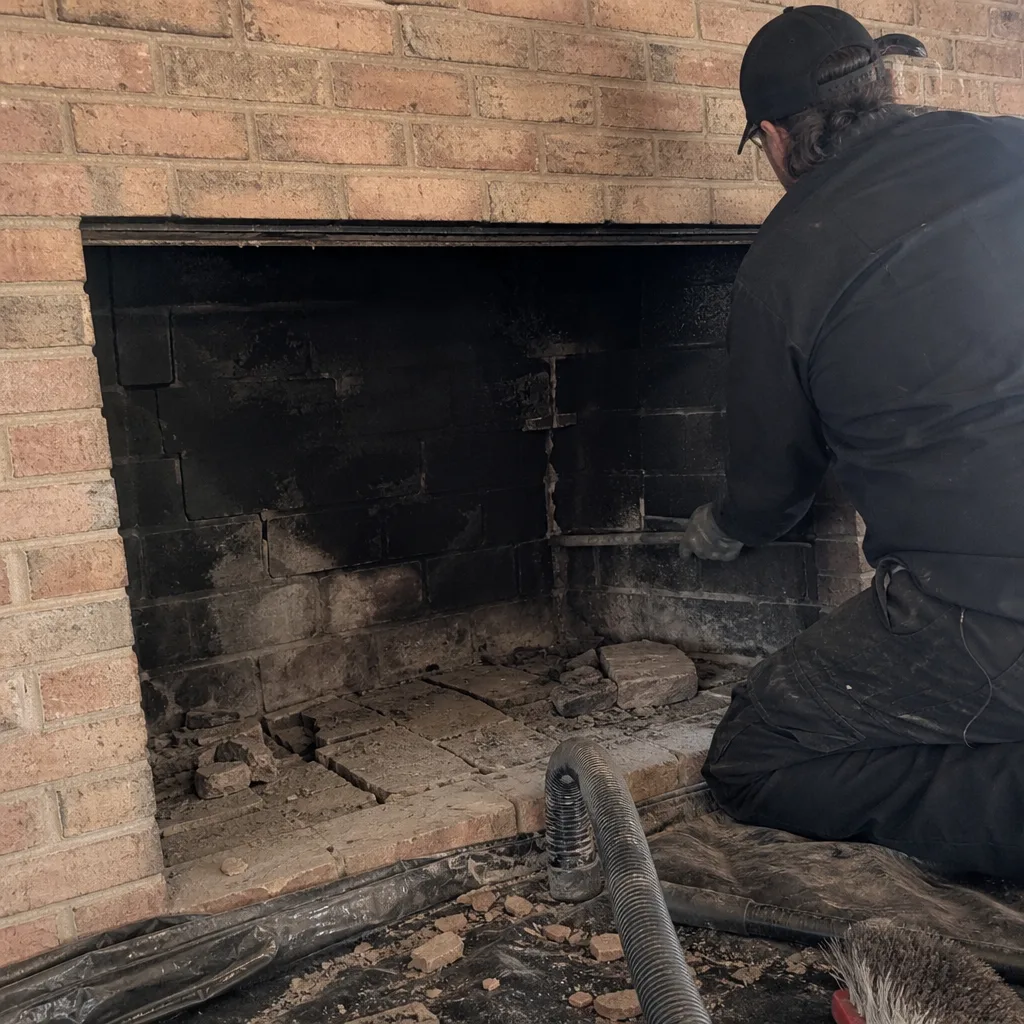 Before
 After
 Before
 After
The Two Checklist Items South Bend Homeowners Skip
If there are two items that get skipped more than any others, and that turn into the biggest surprises at resale, they’re liner condition and firebox mortar joints. Both are easy to overlook because neither is visible from the living room, and both are serious enough that a buyer’s inspector will flag them.
Liner condition
The liner is inside the flue, so you can’t see it without a camera. That’s exactly why it gets skipped. A homeowner sweeps the firebox, checks the cap, and moves on, never realizing the liner is the part that matters most for safety and for resale. A buyer’s inspector will look at the liner and recommend further evaluation if there’s any question, and that recommendation becomes a contingency. Getting a camera inspection and having the liner condition documented is how you close that gap before it opens. If the liner turns out to be sound, you have a written record that says so. If it isn’t, you have time to address it on your schedule rather than a buyer’s.
Firebox mortar joints
Firebox mortar looks like a cosmetic detail until it fails. Deteriorating mortar joints let heat and gases reach places they shouldn’t, and they’re a structural concern in the firebox. A buyer’s inspector will note crumbling mortar and recommend repair. The fix is straightforward when it’s caught early and considerably more involved when it’s ignored. Checking the joints with a flashlight twice a year and having them evaluated at every annual inspection is the entire defense. It’s a five-minute check that protects a much larger investment.
Neither of these is a scare story. They’re the two items most often missing from a homeowner’s own records, and the two most likely to be raised by someone else at the worst time. Documenting both is the whole point of the checklist.
The Resale File: Building Your Documentation Packet
A chimney documentation packet is a simple thing, and it does more work than any single repair.
Here’s what goes in it:
- Every written service record from every sweep, inspection, and repair, in order by date.
- Photos from every camera inspection.
- Receipts for any component replacement (cap, damper, liner, crown).
- A one-page summary of the current condition of the chimney.
When you sell a South Bend home, that packet answers the buyer’s inspector’s questions before they become a negotiation. It shows the chimney has been maintained, the liner has been evaluated, and the firebox has been checked. It also supports any insurance claim that might come up while you own the home. The packet is the deliverable of the whole checklist, and it costs you nothing but a folder and the habit of keeping the paperwork.
If you’re facing a specific issue, like a cracked liner, a missing cap, smoke backdraft, or a failed inspection, that’s the point where you stop self-checking and bring in a specialist. Our chimney repair service exists for exactly those cases, and the same specialist who identifies the problem can fix it. There’s no hand-off to a separate contractor, which means no gap between the diagnosis and the work.
Common Mistakes to Avoid
- Skipping the annual inspection because the firebox looks clean. Soot in the firebox says almost nothing about liner or flue condition. The parts that matter are the parts you can’t see, which is why a camera inspection is part of the checklist.
- Ignoring a cracked crown through a South Bend winter. Freeze-thaw turns a hairline crack into a masonry repair. Check it in the fall, before the ground freezes, and fix it before the cycle starts.
- Assuming gas and pellet appliances don’t need annual service. No creosote doesn’t mean no maintenance. Gas venting and pellet venting both need an annual inspection, and gas carries a carbon monoxide concern that makes it non-optional.
- Throwing away the service record. A sweep without a written record is a sweep you can’t prove happened. Keep every record in one place.
- Letting a damaged liner go because the fireplace still works. A fireplace can burn fine with a compromised liner. That’s what makes it dangerous. Liner condition is a required inspection item, not an optional one.
- Trusting a caulk smear where flashing should be. Flashing is metal work, not a sealant job. A lifted or caulked seam lets water into the masonry, and water is the slow cause of most chimney repairs.
- Selling a house with no chimney documentation. A buyer’s inspector will ask. Without a file, the recommendation becomes a contingency, and the contingency costs more than a sweep and an inspection would have.
When to Call a Professional
Some of this checklist belongs to you. Some of it belongs to a trained professional, and knowing which is which protects your home and your safety. Call a professional when you find anything that looks wrong at the crown, cap, flashing, firebox, or damper, and don’t try to climb on the roof to investigate closer. Call when you don’t know your chimney’s service history, when you’ve moved into a South Bend home with a fireplace that hasn’t been documented, or when it’s been more than a year since a wood-burning appliance was swept. Call before the burning season if your household burns heavily. And call if a buyer’s inspection has raised a question about the liner or the firebox, because that’s a case where the paperwork and the repair need to happen together. High-tension components, electrical work, gas lines, and roof-height work are genuinely dangerous, and a professional belongs in those decisions.
Chimney Sweep South Bend offers free estimates in South Bend. Call (888) 334-4231. We answer 24/7. Fast dispatch from 7am to 7pm, Sunday through Friday.
Frequently Asked Questions
A wood-burning chimney in South Bend should generally be swept and inspected once a year, with the sweep timed before the burning season if your household burns heavily through the winter. Gas and pellet appliances follow a different schedule: annual inspection is still the baseline, but the focus shifts to venting and the appliance rather than creosote removal. The inspection findings, not the calendar alone, set the real interval. Call (888) 334-4231 for an exact quote; estimates are free.
A legitimate chimney service record should include the date and address, the type of service performed, the fuel type, the condition findings (creosote levels, liner, firebox and mortar, crown, cap, flashing), inspection photos, recommendations separated from completed work, technician credentials, and company contact information. If the technician hands you a receipt with nothing but a total, ask for the full record. Call (888) 334-4231 and we’ll walk you through what you should expect on yours.
No. Gas appliances don’t produce creosote the way wood does, so the annual service focuses on venting, the burner, and the flue rather than sweeping out soot. That doesn’t make the annual inspection optional, because a gas appliance that vents improperly is a carbon monoxide concern. Pellet stoves are a third category again, with appliance cleaning set by the manufacturer and annual vent inspection. Call (888) 334-4231 to book the right service for your appliance; estimates are free.
Liner condition is the item most often skipped, because the liner sits inside the flue and can’t be seen without a camera. Firebox mortar joints run a close second. Both get flagged by a buyer’s inspector at resale, which is why documenting both with a camera inspection protects you. Call (888) 334-4231 to schedule an inspection and get the condition on paper; estimates are free.
Yes. If a chimney fire or related loss is tied to deferred maintenance, an insurer can argue the loss stemmed from neglect, and in Indiana insurers are within their rights to deny a claim on that basis. A written service record showing regular maintenance and evaluated liner condition is the evidence that supports a claim. Keep every record. Call (888) 334-4231 to get the file started; estimates are free.
Nothing requires you to hand over a chimney file, but a buyer’s inspector will look at the chimney, note liner and firebox condition, and recommend further evaluation if anything is unclear. Without documentation, that recommendation becomes a contingency in the sale. With a folder of service records and inspection photos, it usually doesn’t. Call (888) 334-4231 for an inspection and the record that goes with it; estimates are free.
The Bottom Line
A chimney maintenance checklist isn’t a list of chores. It’s a documentation system, and the documents are what protect you at claim time and at resale. Do the visual self-checks twice a year: crown, cap, flashing, firebox, damper. Book the annual professional sweep and inspection, and adjust the interval to your fuel type. Keep the written record, the photos, and the receipts in one folder. Pay particular attention to liner condition and firebox mortar joints, the two items South Bend homeowners skip and the two that turn into expensive surprises. If you’re in South Bend, we can put the whole system in place for you, from the first inspection to the repair work that follows if anything turns up. From inspection to repair, it’s handled by the same specialist.
If you’re ready to start the file or you’ve found something on the self-check that needs a closer look, Chimney Sweep South Bend is here to help. We install DuraFlex flexible liner systems and apply HeatShield ceramic resurfacing, and we source caps and components from professional supply lines like Olympia Chimney, Famco, and Copperfield. Professional-grade materials, not hardware-store substitutes, and one specialist for the whole job. Nothing gets recommended without camera evidence you can see for yourself, and we’ll tell you plainly when work can safely wait.
Contact Chimney Sweep South Bend for a free estimate at (888) 334-4231. We answer 24/7. Fast dispatch from 7am to 7pm, Sunday through Friday. We’re closed on Saturday. Book your sweep or inspection and start your documentation file today.
Written by the team at Chimney Sweep South Bend.