
Last updated November 15, 2026
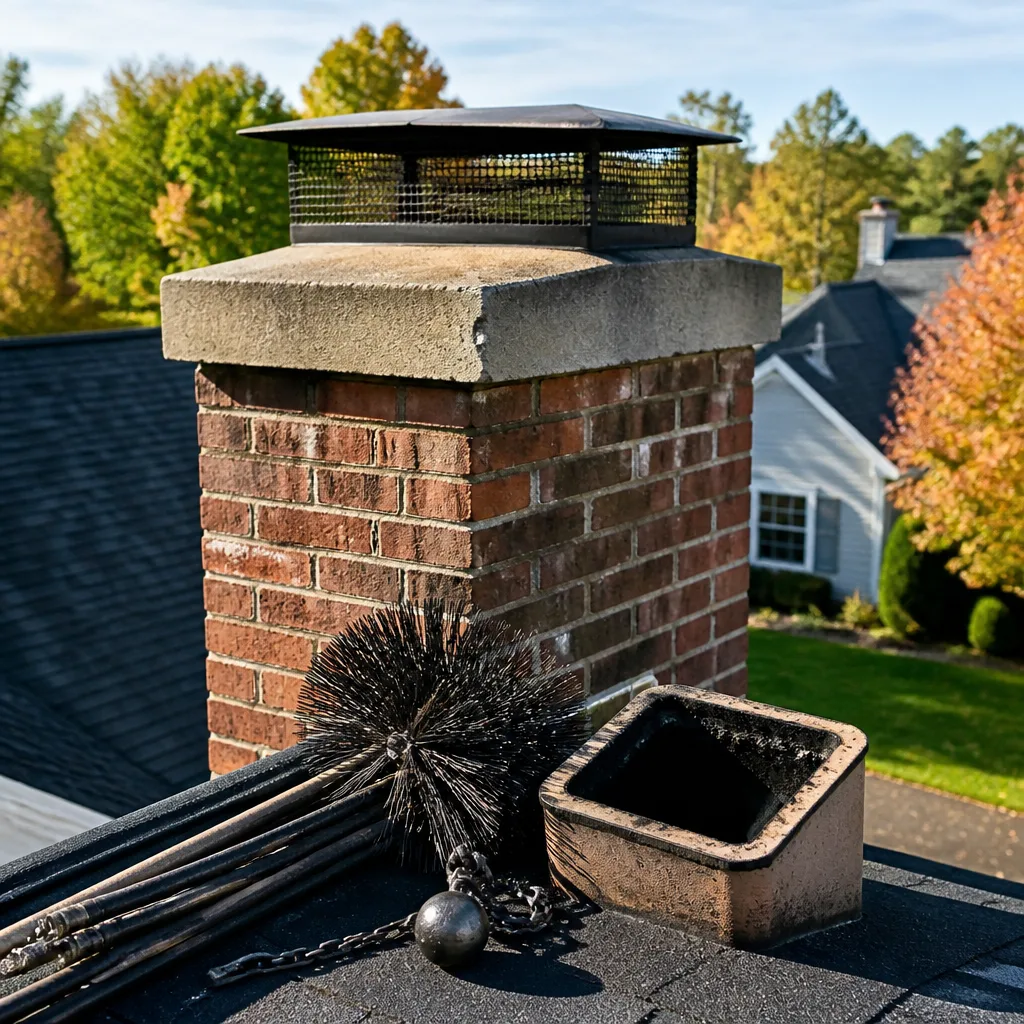 Sweep & inspection
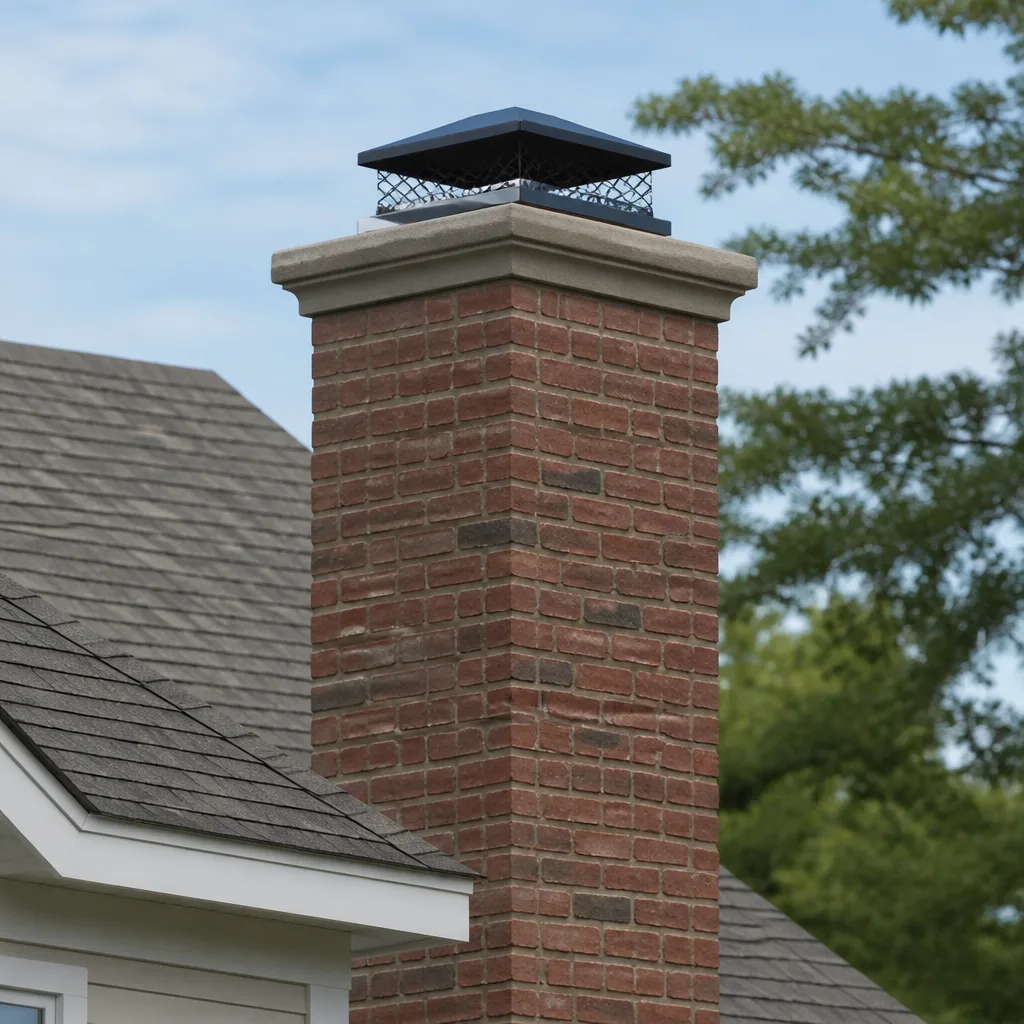 Caps & crowns
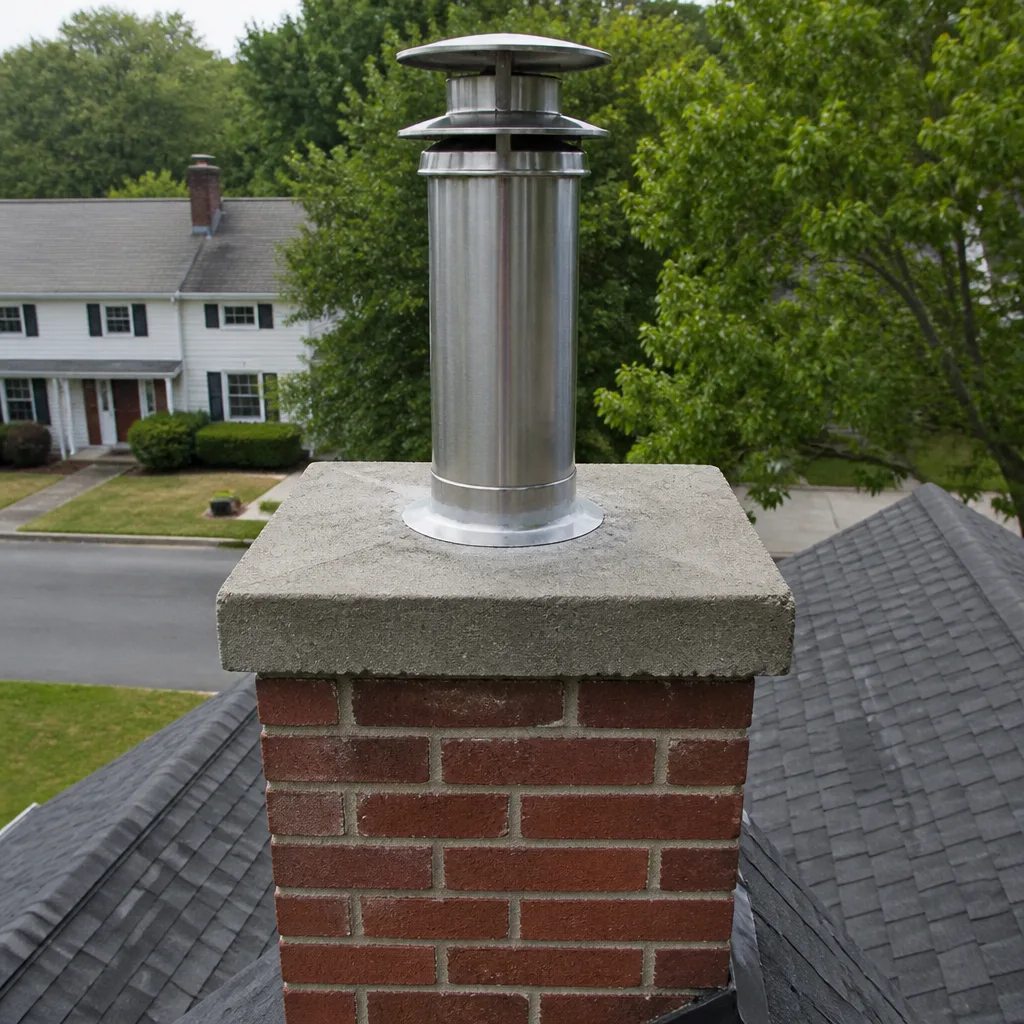 Flue relining
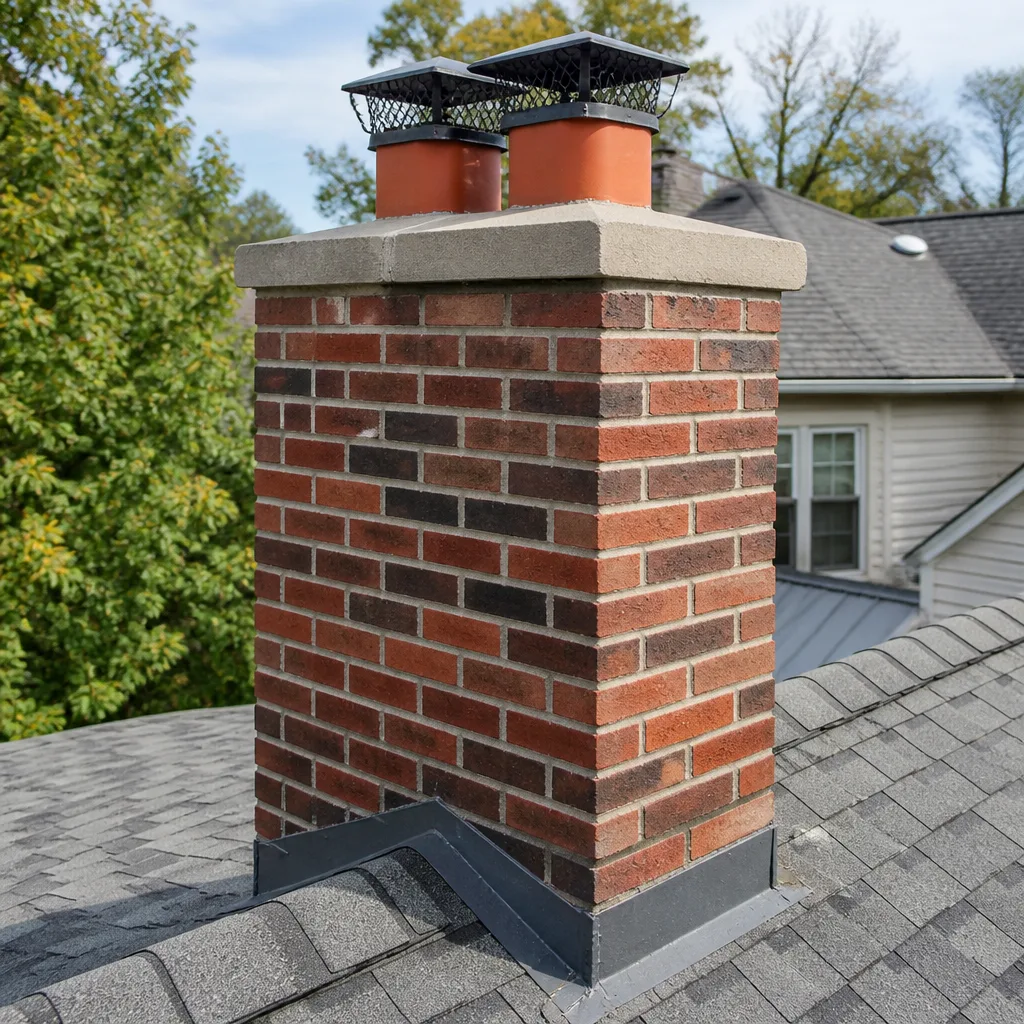 Masonry repair
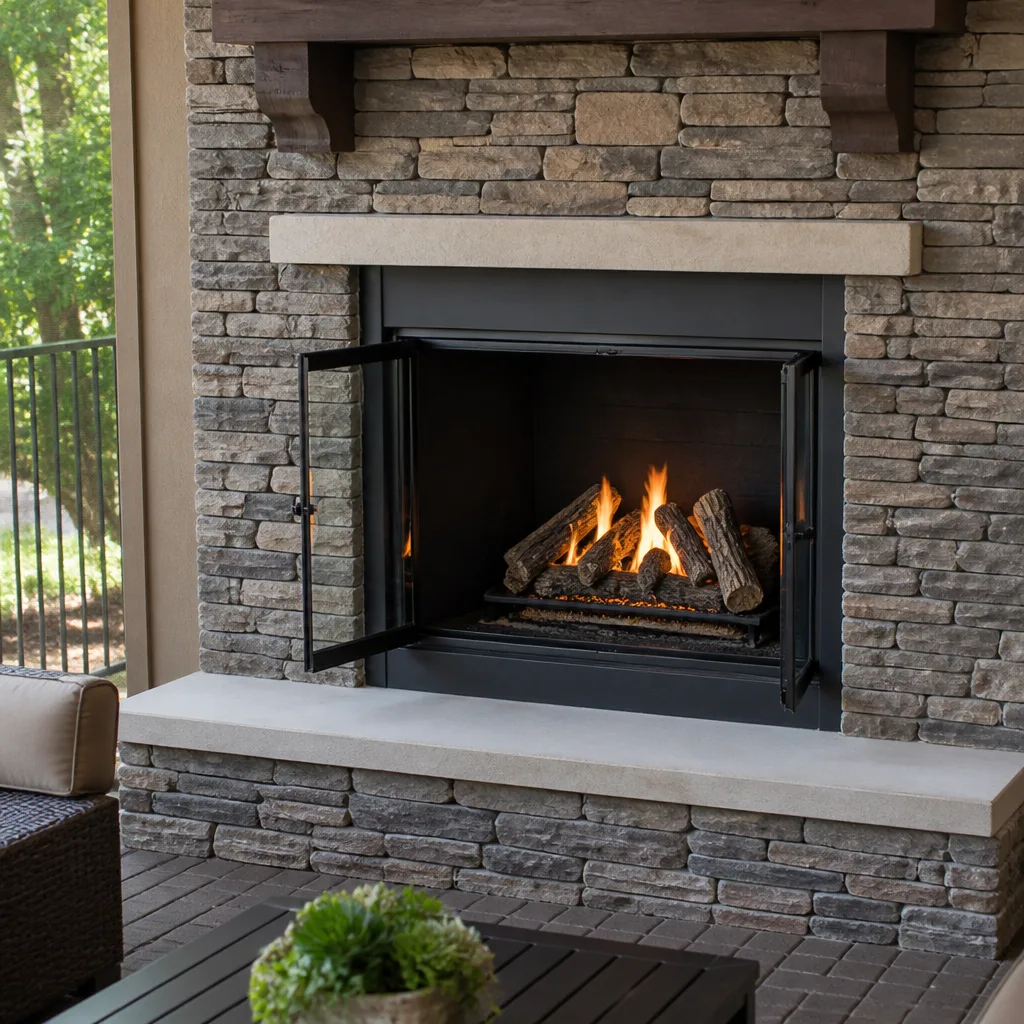 Gas fireplace service
Level 1 sweep and inspection to the NFPA 211 annual standard - flue, crown, cap, and flashing checked and photographed
Chimney sweep logs do not sweep chimneys. They loosen some creosote - which then falls where a brush and vacuum still have to collect it.
Chimney Cleaning Cost Breakdown: The South Bend Homeowner’s Reference for 2026
A $79 chimney cleaning is real. So is an $800 chimney cleaning. The instinct is to assume the higher number is a rip-off and the lower one is the honest deal, but that’s backwards as often as it’s right. The two prices rarely describe the same work. One is a brush down the flue and a handshake. The other includes a camera inspection, a written report, and a technician who can tell you whether the liner is sound before winter. This guide breaks down what chimney cleaning actually costs in South Bend in 2026, line by line, and explains why the spread between providers is so wide.
Quick Answer
A standard chimney sweep in South Bend typically runs $150 to $300 in 2026, and a Level 2 inspection with camera typically runs $200 to $400. The price depends on what’s included: a bare brush-and-vacuum visit sits at the low end, while a sweep bundled with a camera inspection and written report sits at the high end. Repairs quoted after the sweep are separate, and the written estimate sets the final price.
Styles & brands we work with
- Sweep & inspection
- Caps & crowns
- Flue relining
- Masonry repair
- Gas fireplace service
Table of Contents
- What does a standard chimney sweep cost in South Bend?
- What does a Level 2 inspection cost, and when do you need one?
- What do common chimney repairs cost in South Bend?
- Why do chimney cleaning prices vary so much between providers?
- Do professional-grade materials cost more than builder-grade?
- Which cheap jobs turn into expensive callbacks?
- When should you get multiple quotes, and when shouldn’t you bother?
- What makes South Bend chimneys different?
What does a standard chimney sweep cost in South Bend?
A standard sweep in South Bend typically costs $150 to $300. That covers brushing the flue, removing creosote and soot, cleaning the firebox and smoke shelf, checking the damper, and vacuuming the surrounding area with a HEPA setup so nothing drifts into the room. The low end of that range is a straight flue in a wood-burning fireplace that’s been swept regularly. The high end is an insert, a stove, an offset flue, or a chimney that’s gone two or three seasons without attention.
What drives the number up or down:
- Appliance type. A masonry fireplace with a straight flue is the simplest job. A wood stove or insert takes longer to disassemble and reassemble around the flue collar.
- Creosote stage. Stage 1 creosote is flaky and brushes out easily. Stage 2 is glazed and harder to remove. Stage 3 is the hard, tar-like glaze that requires chemical treatment or rotary tools, and it’s the stage most closely tied to chimney fire risk.
- Access. A roof access sweep costs more than one done from the firebox with a drop cloth and a ladder, though roof access is often necessary for a complete inspection.
- What’s included after the sweep. A photo of the flue before and after adds time to the visit. A full camera inspection adds more. Both are worth asking about up front.
One thing we hear often in South Bend: “The last guy charged $90 and didn’t say anything was wrong.” That’s not a contradiction. It usually means the visit was a surface cleaning without a camera, which is fine if nothing needs finding and a problem if something does.
What does a Level 2 inspection cost, and when do you need one?
A Level 2 inspection in South Bend typically costs $200 to $400 in 2026. It includes everything in a standard sweep plus a video camera run through the flue, a look at the firebox, damper, smoke chamber, cap, and crown from both the roof and the firebox, and a written report with photos. The camera is the part that matters. A technician can look down a flue and see maybe the top ten feet. The camera sees the whole run, including the offsets and the smoke chamber where damage hides.
You need a Level 2 inspection when:
- You’ve just bought the house and don’t know the chimney’s history.
- You’ve changed appliances (added an insert, switched to a stove, changed fuel type).
- You’ve had a chimney fire or a sudden draft problem.
- It’s been more than a year since the last documented inspection.
- You’re about to spend money on a repair and want evidence before committing.
A Level 1 inspection is a visual check of accessible parts only, and it’s often included free with a sweep. A Level 3 inspection involves opening walls or the chimney structure and is a separate scope entirely, usually triggered by a known or suspected problem. Most South Bend homeowners will never need a Level 3.
If you’re booking a chimney sweep, ask whether the visit includes a camera. If it doesn’t, ask what it would add. That single question tells you more about a provider than the price.
What do common chimney repairs cost in South Bend?
Repairs are quoted after the sweep, and the estimate you receive in writing is the price. What follows are typical 2026 South Bend market ranges for the most common repair categories, so you know what to expect before the technician walks in.
- Chimney cap replacement: $250 to $650 installed, depending on cap style, material, and whether a custom size is needed.
- Drafting issues / cap and crown combination: $400 to $1,200, often the fix for smoke rolling into the room when you light a fire.
- Crown repair or rebuild: $500 to $1,800, depending on whether the existing crown can be patched or needs to come off entirely.
- Damper replacement: $350 to $900 for a top-sealing or throat damper, depending on type and fit.
- Flue resurfacing (HeatShield): $1,200 to $3,500, depending on the length of the flue and the extent of the damage. This is the middle option between a sweep and a full reline.
- Full liner replacement (DuraFlex): $2,500 to $6,500, depending on flue height, liner type, and whether insulation is required.
- Masonry tuckpointing or rebuild: $800 to $6,000 or more, depending on the size of the repair and the amount of brick and mortar work.
Those ranges are wide because the work is genuinely variable. A cap on a standard square flue is a quick job. A cap on an odd-sized clay tile with a damaged crown is not. The number that matters is the one in the written estimate after the technician has seen the chimney, not the one quoted over the phone before anyone’s looked. For a closer look at repair scope, see our chimney repair page.
Why do chimney cleaning prices vary so much between providers?
Chimney cleaning prices in South Bend can swing 300% between providers, and the spread maps to four things: what the visit actually includes, what credentials sit behind the technician, what equipment is being used, and whether the provider can fix what they find. A sweep-only company that hands off repairs is a different business than a full-service chimney specialist, and the price reflects that.
Here’s how the differences show up in practice:
- Report deliverables. Some sweeps end with “you’re good.” Some end with a written report and photos of the flue. The photos are what let you see the actual condition of your chimney, and they’re what let you decide whether a quoted repair is real or not.
- Equipment quality. A shop vac and a hand brush will remove loose soot. A rotary brush on a flexible rod and a HEPA vacuum with proper containment will remove what’s actually in the flue, including glazed creosote, without dusting your living room.
- Camera capability. A technician with a camera finds liner gaps, cracked flue tiles, and offset damage that a visual check from the firebox misses. That’s not an upsell. That’s the difference between knowing and guessing.
- Repair capability. A company that sweeps and leaves has no reason to look hard at the liner. A company that sweeps, inspects, and repairs has every reason, because the same specialist who finds the problem also fixes it. That’s the whole point of a full-service chimney specialist.
None of this means the $800 job is automatically better than the $300 job. It means the two prices describe different scopes of work, and comparing them as if they’re the same thing is where homeowners get burned. Ask each provider the same three questions: what’s included, is there a camera, and do I get a written report with photos. The answers will sort the quotes for you.
Do professional-grade materials cost more than builder-grade?
Professional-grade chimney materials cost more up front than builder-grade alternatives, but the gap over a 10-year horizon is narrower than most homeowners expect. The up-front difference on a liner, a cap, or a crown repair is real – call it a 20% to 40% premium on the part itself. The question is what happens to that gap when the builder-grade part fails at year six and the professional-grade part is still in service.
Where the difference shows up:
- Flexible liner systems (DuraFlex). A professional-grade flexible liner is engineered for the temperature cycling and acidic condensate of a wood-burning appliance. Builder-grade liners often aren’t rated for the same conditions, and the failure mode is a cracked or collapsed liner a few years in.
- Flue resurfacing (HeatShield). This is a ceramic resurfacing system applied to a deteriorating flue to restore its integrity without a full liner replacement. It’s the cost-saving middle option most sweep-only providers can’t offer, because they don’t carry the system or have the certification to apply it. If your flue has spalling or minor cracks but isn’t failed, HeatShield can extend its life significantly for less than a reline.
- Caps and covers (Olympia Chimney, Copperfield, Famco). Commercial-quality caps and covers built for long-term weather resistance aren’t the metal shroud from the hardware store. They’re sized, sealed, and built to stay put through an Indiana winter.
We source from Olympia Chimney and Copperfield because those are trade-level supply lines, not retail workarounds. That matters when a repair has to hold, not just look finished. Run the 10-year math on any liner or cap quote: the cheap part usually costs about the same over the life of the chimney, only it fails sooner and takes a second invoice with it.
Which cheap jobs turn into expensive callbacks?
The cheapest chimney cleaning is the one that doesn’t have to be redone. In our experience, the low-bid sweep that “looked fine” is often the job that comes back – and it comes back as a liner replacement instead of a $50 resurfacing patch, or as a chimney fire instead of an easy sweep. Here are the specific failure modes:
- Stage 2 creosote missed. A brush-only sweep removes Stage 1 flaky creosote. Glazed Stage 2 creosote needs rotary tools or chemical treatment. A sweep that skips that step leaves highly flammable material in the flue and passes the chimney as clean.
- Liner gaps not identified. A flue tile can have a hairline crack or a gap at a joint that a visual check from the firebox will never show. The camera catches it. Without the camera, the gap stays hidden until it becomes a carbon monoxide path or a chimney fire.
- No written report. If there’s no documentation of what was found, you have no baseline for next year, and neither does the next provider. Every chimney appointment in South Bend should end with something on paper.
- Damper and smoke shelf ignored. A sweep that only brushes the flue and doesn’t check the damper or clean the smoke shelf leaves the drafting problem in place. The homeowner calls back in October when the fireplace smokes.
- Cap not checked or missing. A missing or rusted cap lets rain, snow, birds, and squirrels into the flue. The chimney gets swept, but the water intrusion has already started, and the next appointment is crown repair.
- Repair quoted without evidence. The flip side of the cheap sweep is the high-pressure quote for thousands in liner work with no camera footage to back it up. That’s a callback in the other direction, and it’s just as expensive.
If a provider can’t show you the inside of your own flue, the number they quote for a repair is a number you can’t verify. That’s the honest standard: nothing recommended without camera evidence you can see for yourself, and a plain answer when the work can safely wait.
When should you get multiple quotes, and when shouldn’t you bother?
Get multiple quotes when the work is large, the diagnosis is ambiguous, or the provider can’t show you the evidence behind a repair recommendation. Skip the second quote when the work is a standard annual sweep at a fair price from a provider with the right credentials, because comparing three sweeps that all include the same scope just costs you time.
Get a second opinion when:
- The repair quote is over $2,000 and you haven’t seen camera footage of the problem.
- The recommendation is a full liner replacement and you haven’t been offered HeatShield resurfacing as an option. That gap alone is worth a second call.
- The provider is sweep-only and can’t do the repair they’re recommending.
- Masonry work is quoted without a written scope of what’s being rebuilt.
Don’t bother with a second quote when:
- The job is a standard annual sweep with a camera and a written report, and the price is in the normal $150 to $300 range.
- The problem is obvious and small – a missing cap, a cracked damper, a rusted screen.
- The provider you already use has shown you the evidence and the price is in market range.
The lowest bid is fine when the scope is identical. It’s a risk when the scope is different and the quotes are being compared as if they aren’t. The written estimate is the only apples-to-apples comparison that exists.
What makes South Bend chimneys different?
South Bend winters are long and cold, and that changes what a chimney goes through compared to a milder climate. Long heating seasons mean more burn hours per year, which means creosote builds faster. The freeze-thaw cycles we get across the region work on masonry and mortar joints in a way mild winters don’t, which is why crown repair and tuckpointing are common line items here. And the mix of older housing stock across neighborhoods like the Near Northwest, River Park, and the Edison Park area means many chimneys were built to original code and have absorbed decades of weather since.
What this means for pricing:
- A South Bend chimney above a wood-burning fireplace that’s been used through a full heating season needs a sweep once a year, not once every two or three. The creosote load accumulates faster here.
- Crowns and caps take more weather than in milder markets. A cap that lasts 15 years in a dry climate may need replacement sooner here, and the professional-grade caps from Olympia Chimney and Copperfield are built for exactly that.
- Liner condition matters more because the whole system runs harder. A hairline gap in a flue tile that’s a minor concern in a short heating season becomes a serious concern through a South Bend winter.
- Masonry repairs around the flue and crown are more common than in warmer markets. Budget for them as a category, not as a surprise.
Our technicians have up to 10 years of experience working on chimneys in climates like ours. That’s the context behind every number in this guide. If you want to talk through your specific chimney, the Chimney Sweep South Bend team handles sweeps, inspections, and repairs under one roof.
Common Mistakes to Avoid
- Comparing a $79 sweep to a $300 sweep as if they’re the same job. They describe different scopes of work. Ask what’s included, ask about the camera, and ask whether you get a written report before you compare the numbers.
- Booking a sweep without a camera inspection. The camera is the only way to see the full flue. Skipping it in a South Bend winter is where liner gaps turn into bigger problems.
- Accepting a thousands-of-dollars repair quote without seeing the footage. Any honest provider will show you the camera video of your own chimney. If they won’t, get a second opinion before you sign.
- Skipping the annual sweep because “it doesn’t get used that much.” Creosote builds from any amount of burning, and a season of intermittent fires still leaves material in the flue. Annual is the standard here, not because the trade says so, but because the heating season is long enough to warrant it.
- Buying a cheap cap from the hardware store. A cap that doesn’t seal properly lets water in and defeats the purpose. Professional-grade caps from Olympia Chimney or Copperfield are sized and built to stay put through an Indiana winter.
- Letting a failed flue go because the fireplace “still works.” A chimney can draft fine and still have a liner problem. The draft doesn’t tell you the flue is sound. The camera does.
- Hiring a sweep-only provider and then a separate repair contractor. The hand-off gap is where recommendations get lost, quotes get inflated, and the job takes twice as long. A full-service chimney specialist closes that gap because the same person who finds the problem fixes it.
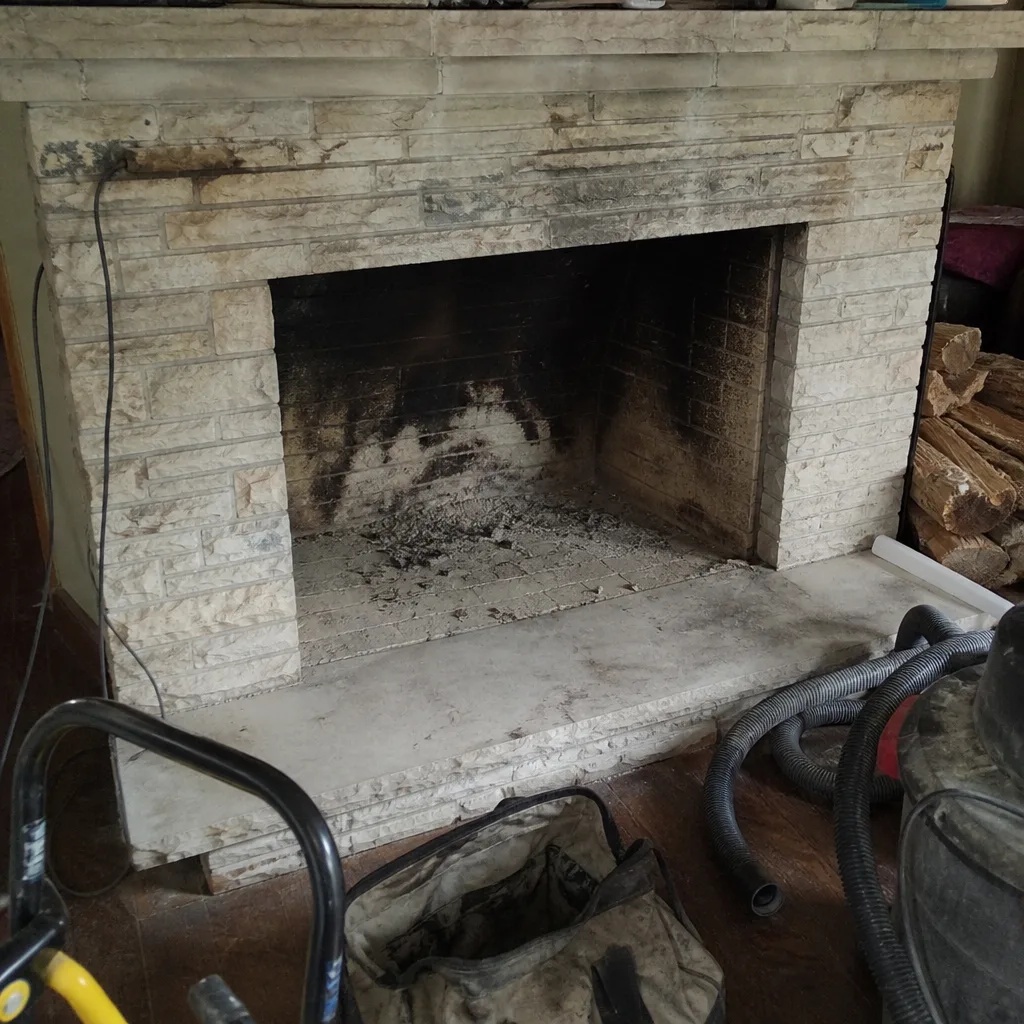
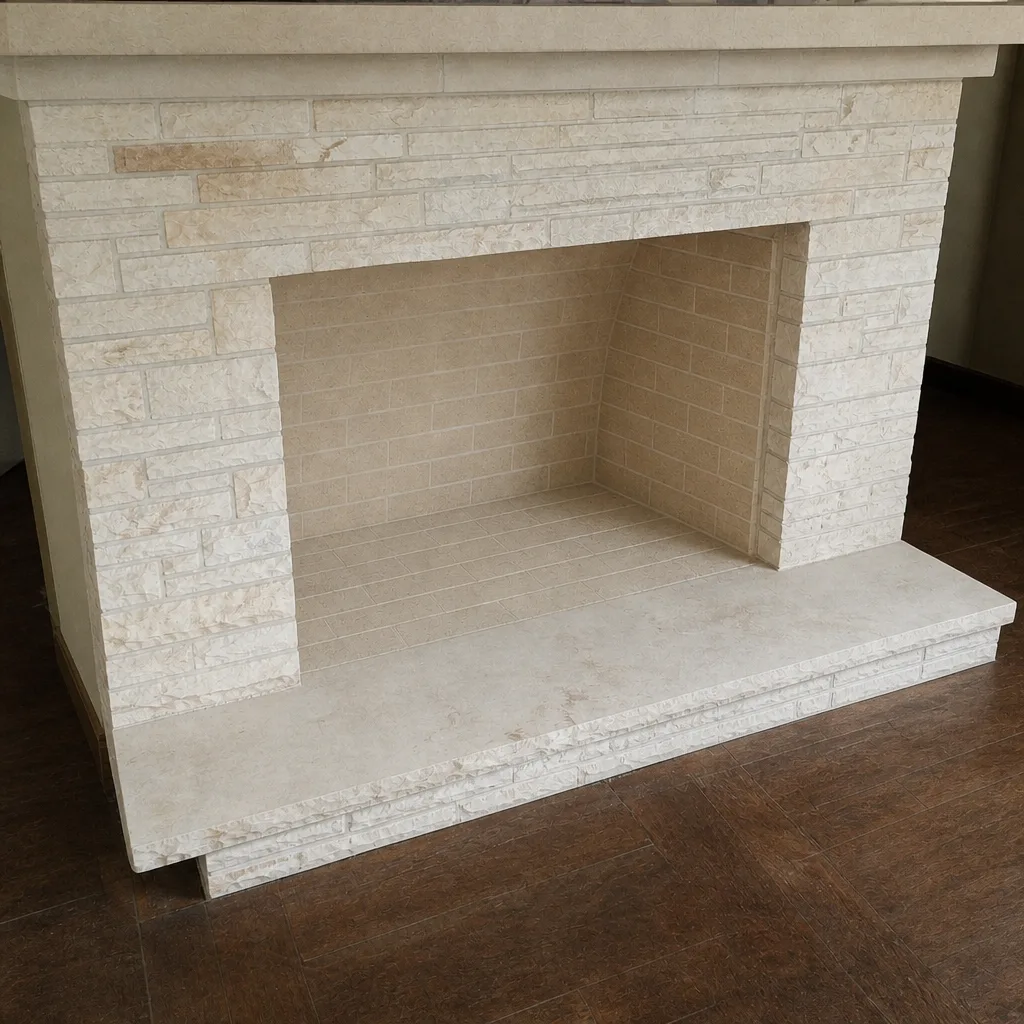
See the difference
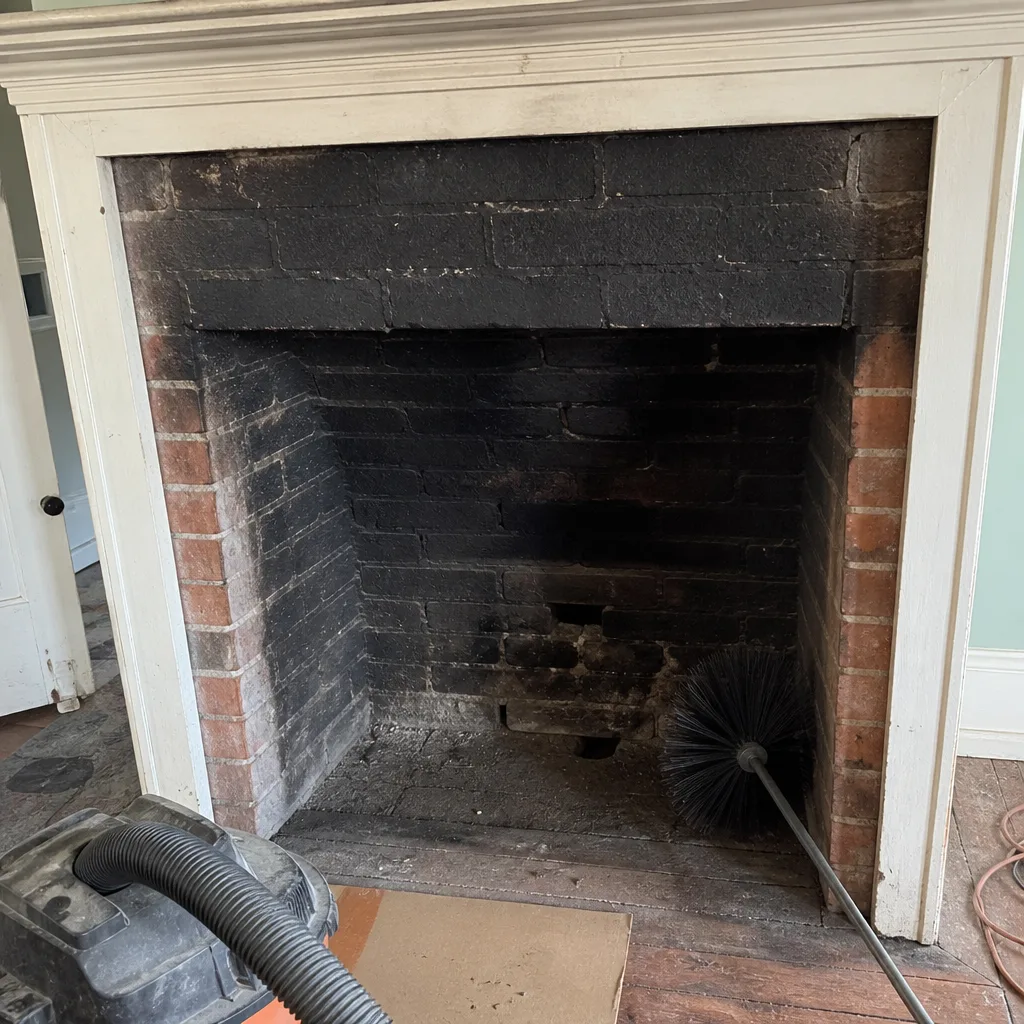 Before
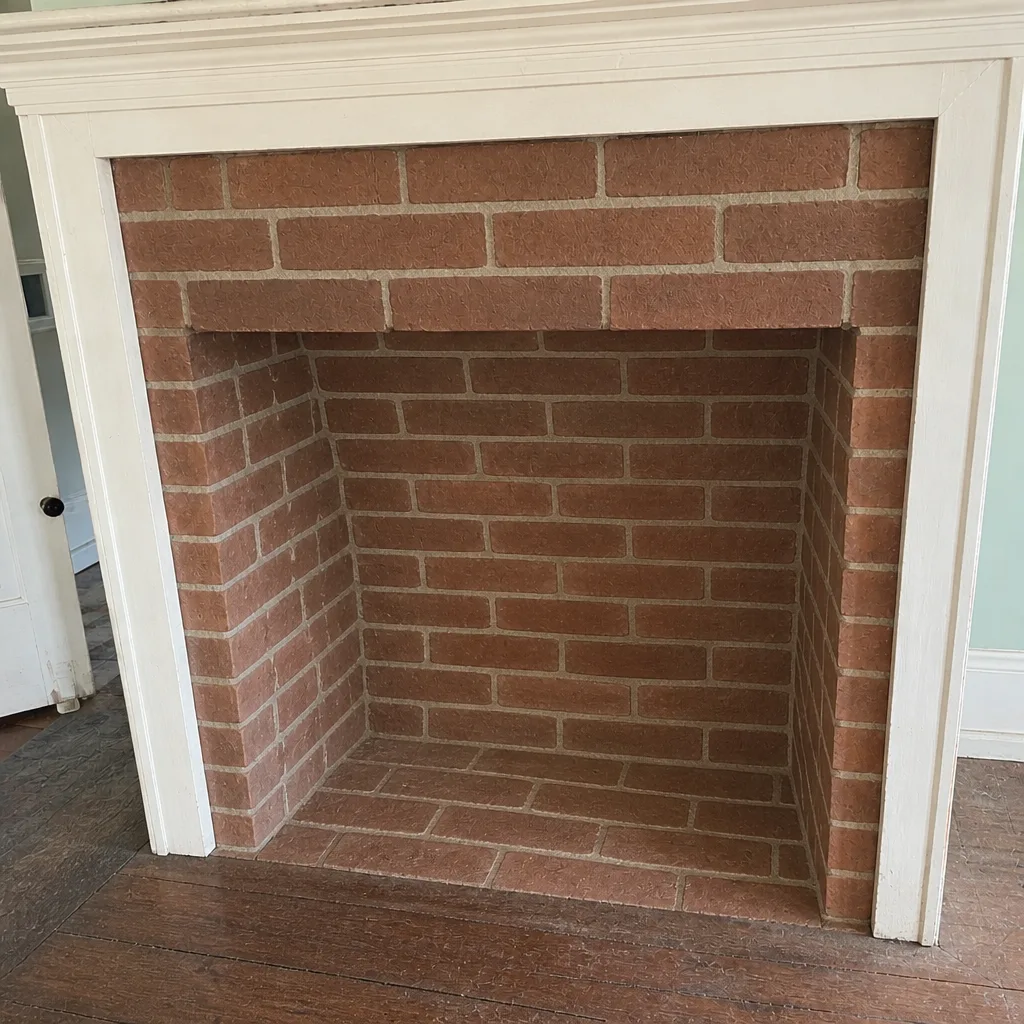 After
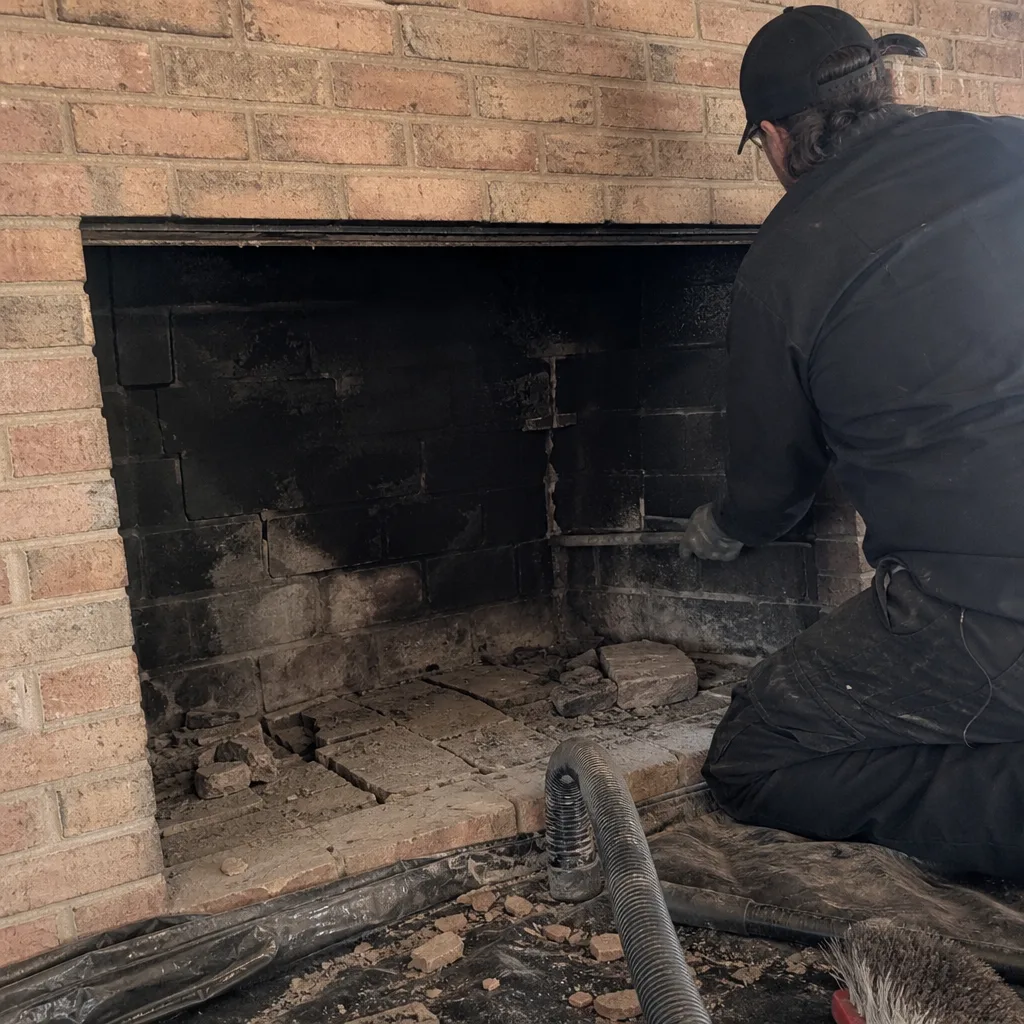 Before
 After
 Before
 After
When to Call a Professional
Call a professional when you haven’t had your chimney swept in over a year, when you’ve just bought a house with a wood-burning fireplace, when you’ve had a chimney fire or a sudden draft problem, when smoke rolls into the room, or when a previous provider recommended a repair you couldn’t verify. Also call if you see cracked or missing flue tiles from the roof, a damaged or missing cap, or water staining inside the firebox. Chimney Sweep South Bend offers free estimates in South Bend – call (888) 334-4231. We answer 24/7. Fast dispatch from 7am to 7pm, Sunday through Friday.
Frequently Asked Questions
A standard chimney sweep in South Bend typically costs $150 to $300 in 2026, depending on appliance type, creosote stage, and whether the visit includes a camera and written report. A Level 2 inspection with camera typically runs $200 to $400. Call (888) 334-4231 for an exact quote – estimates are free, and the written estimate sets the final price.
Not always. A full liner replacement is only needed when the existing flue is failed or has damage that can’t be restored. HeatShield ceramic resurfacing can restore a deteriorating flue without a full reline in many cases, and it costs significantly less – typically $1,200 to $3,500 versus $2,500 to $6,500 for a DuraFlex liner. Ask for camera evidence either way, and get a second opinion if a full reline is recommended without it. Call (888) 334-4231 to talk through your options.
Once a year for a wood-burning fireplace that gets regular use through the heating season. South Bend winters are long, and more burn hours means faster creosote buildup. Annual sweeps also catch liner and cap problems early, before they become expensive repairs. If your chimney hasn’t been swept in over a year, call (888) 334-4231 to book a visit.
Creosote accumulates in the flue, and at Stage 2 and Stage 3 it becomes highly flammable – the leading cause of chimney fires. Skipping a sweep also means liner gaps and cap damage go unnoticed, which can lead to carbon monoxide exposure or water damage. A sweep is the cheapest line item in chimney ownership. Call (888) 334-4231 for a free estimate.
The lower quote is usually a sweep only. The higher quote often includes a camera inspection, a written report, and a technician who can diagnose and quote any repair found during the visit. The two prices describe different scopes of work, so compare what’s included before comparing the number. Call (888) 334-4231 to walk through what a full-service visit includes.
We handle sweep, inspection, and repair under one roof. The same specialist who finds a liner gap, a damaged crown, or a failed damper is the one who quotes and completes the repair. That means no hand-off, no second diagnosis, and one written estimate for the whole job. Call (888) 334-4231 for a free estimate in South Bend.
The Bottom Line
Chimney cleaning in South Bend runs $150 to $300 for a standard sweep and $200 to $400 for a Level 2 inspection with camera in 2026. The 300% spread between providers isn’t random. It reflects what’s included, what credentials sit behind the work, and whether the provider can fix what they find. The cheapest sweep isn’t automatically the best deal, and the highest quote isn’t automatically the right one either. What matters is the evidence: a camera inspection, a written report with photos, and a repair recommendation you can see for yourself. Repairs quoted after the sweep are separate, and the written estimate sets the final price. If you’re ready to book, we can help.
Call (888) 334-4231 for a free estimate. We answer 24/7. Fast dispatch from 7am to 7pm, Sunday through Friday.
Written by the team at Chimney Sweep South Bend.