
Last updated November 15, 2026
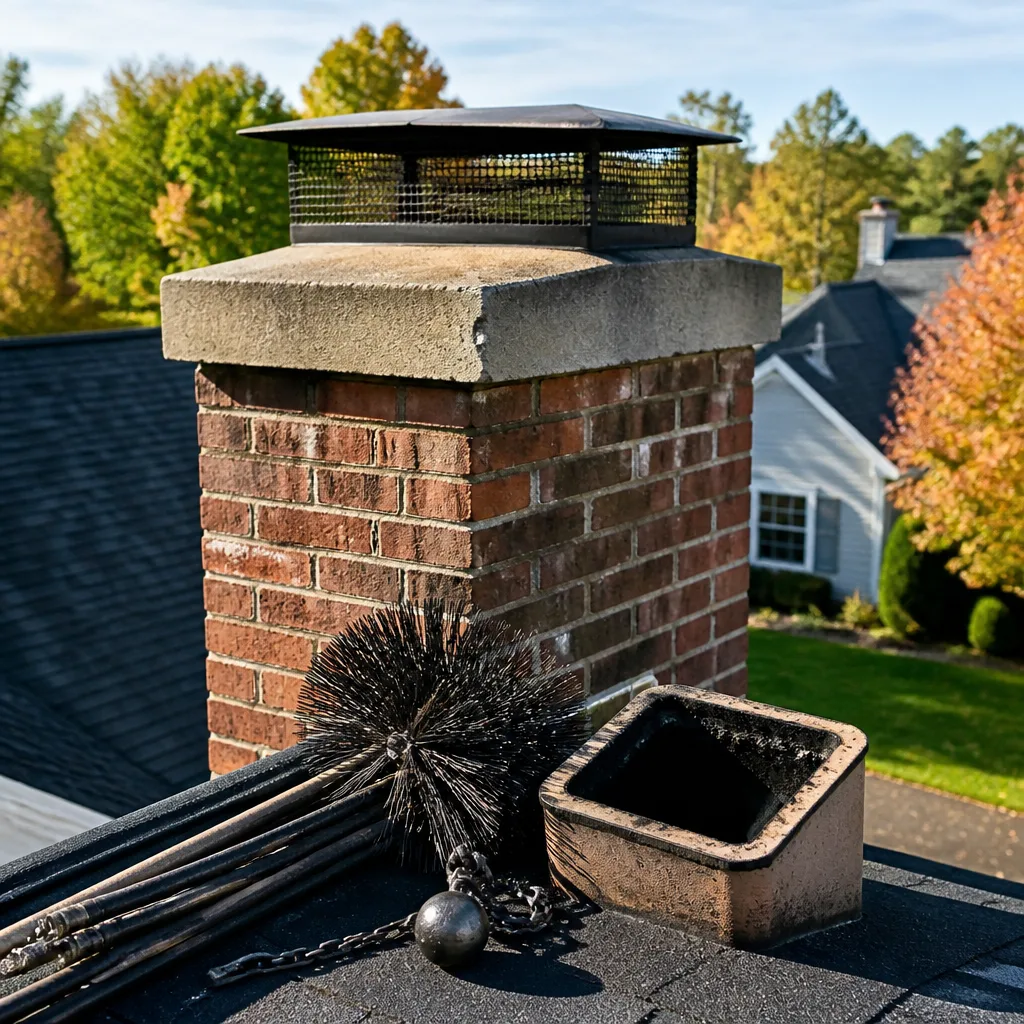 Sweep & inspection
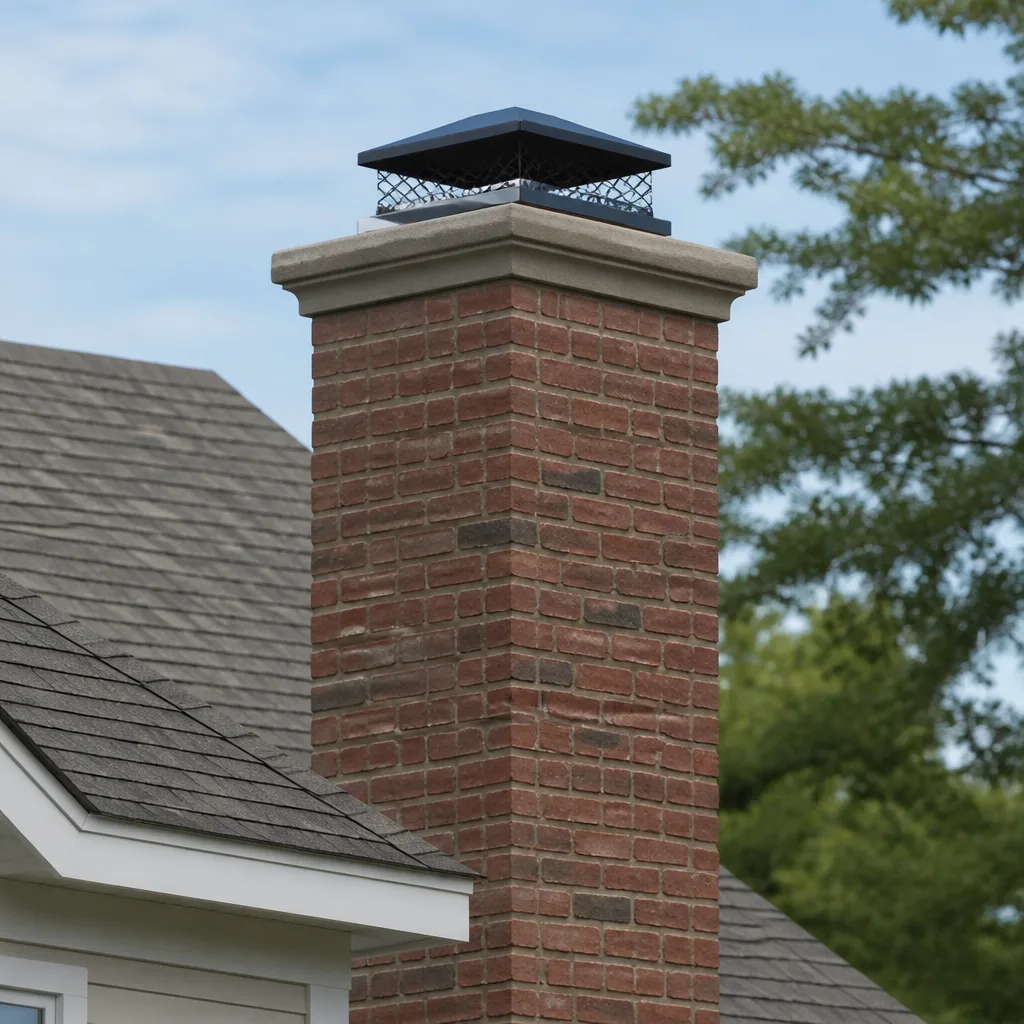 Caps & crowns
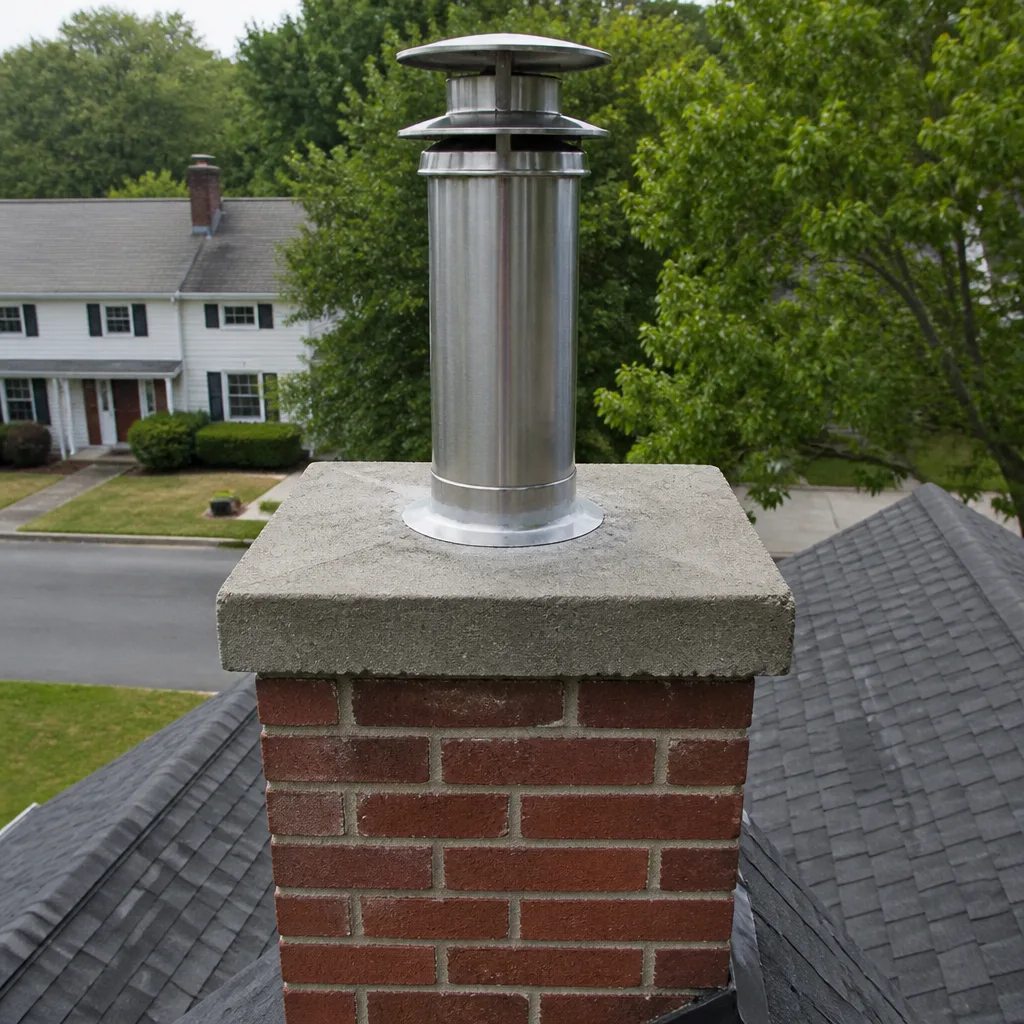 Flue relining
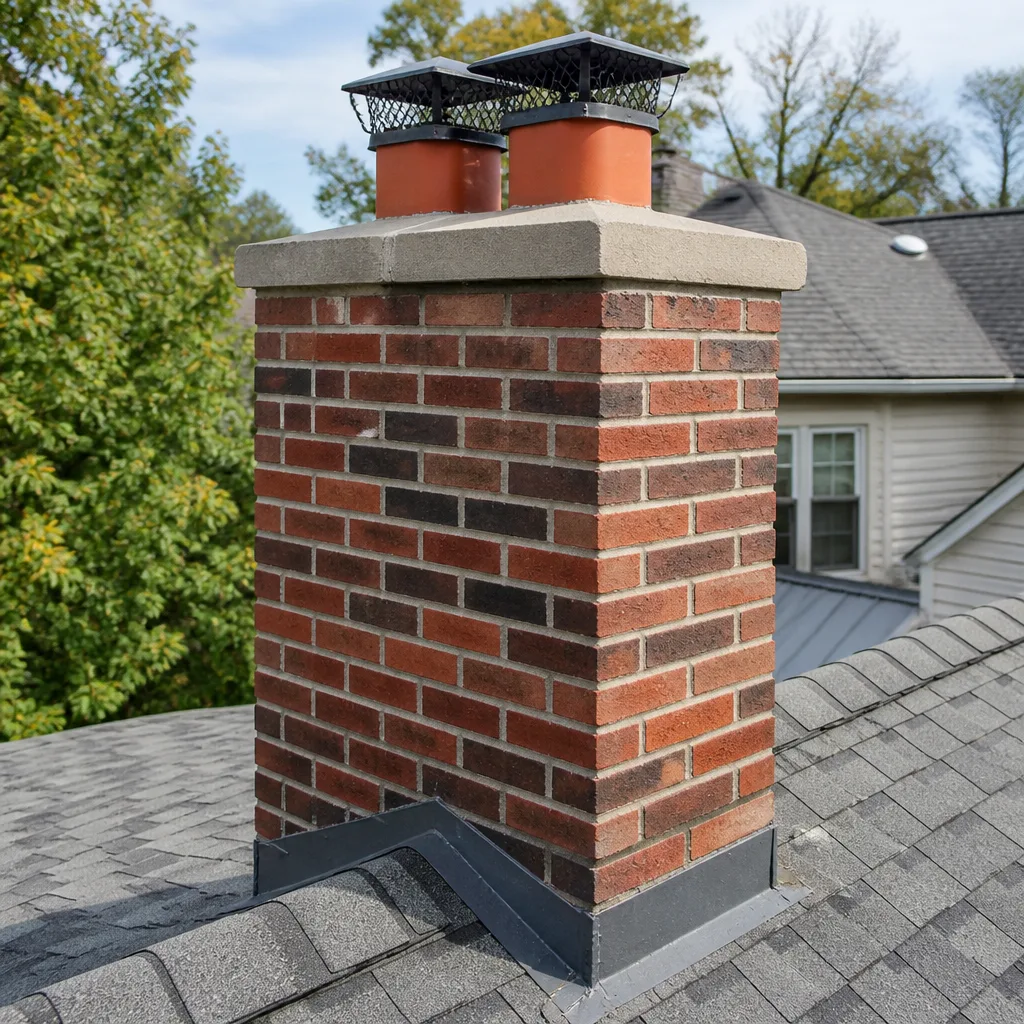 Masonry repair
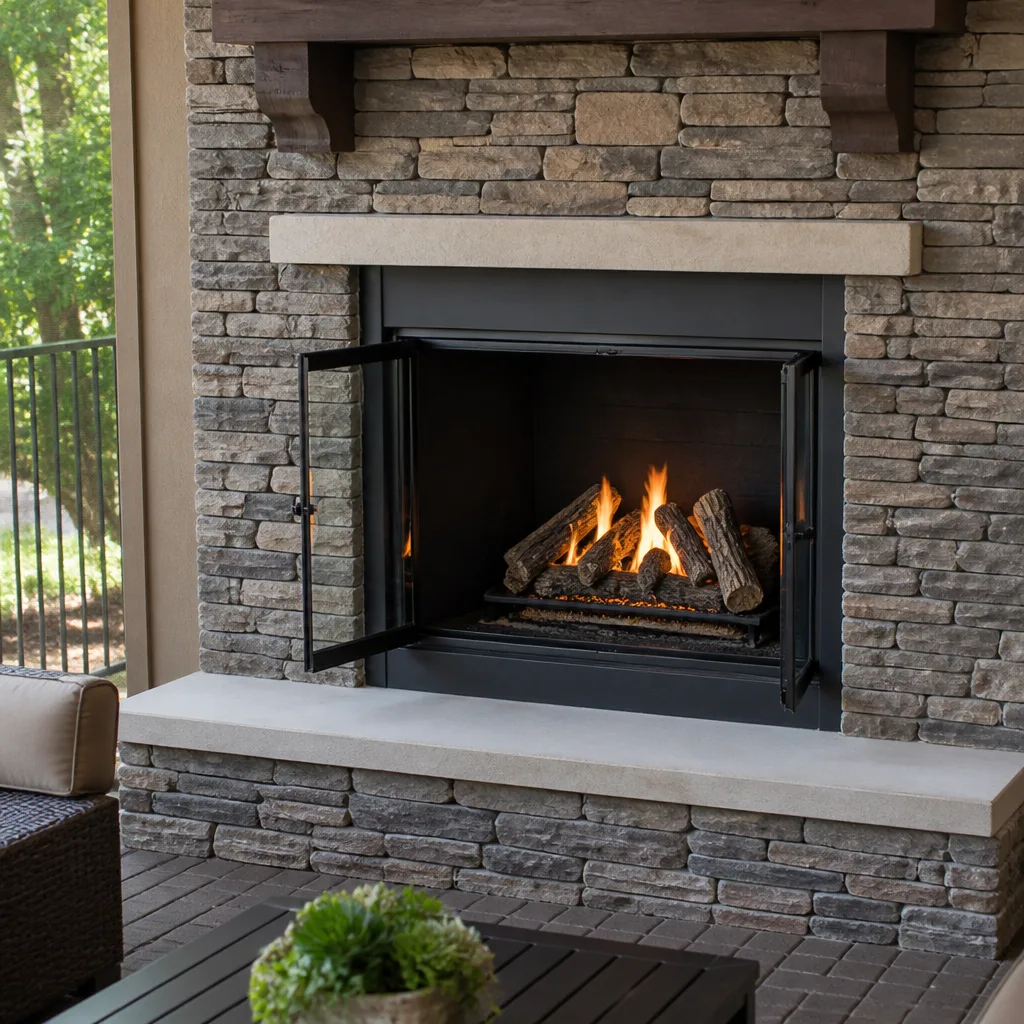 Gas fireplace service
Level 1 sweep and inspection to the NFPA 211 annual standard - flue, crown, cap, and flashing checked and photographed
Chimney sweep logs do not sweep chimneys. They loosen some creosote - which then falls where a brush and vacuum still have to collect it.
Chimney Cleaning Emergency Preparedness Guide for South Bend Homes
A chimney fire doesn’t always announce itself with a roar. Sometimes it’s a low rumble you mistake for wind in the eaves, a vibration you feel in the floor before you hear anything at all. By the time the smell of hot metal or the sharp crease in the smoke reaches you, the fire has often been burning inside the flue for several minutes. That gap between the first quiet sign and the obvious one is where this guide lives. We’re going to walk you through what a chimney fire actually looks like in South Bend, what to do in the first sixty seconds, and why the days after the fire matter as much as the fire itself.
Quick Answer
If you suspect a chimney fire, get everyone out of the house, call 911, and do not use the fireplace again until a professional performs a Level 2 inspection that clears the flue. Most chimney emergencies in South Bend start with a clogged or glazed flue that hasn’t been swept, and most of them are preventable with one cleaning and inspection before the heating season begins.
Styles & brands we work with
- Sweep & inspection
- Caps & crowns
- Flue relining
- Masonry repair
- Gas fireplace service
Table of Contents
- How Do You Recognize a Chimney Fire in Progress?
- What Should You Do in the First Minutes of a Chimney Fire?
- Masonry vs. Prefabricated Flues: Different Warnings, Different Risks
- After the Fire: Why You Can’t Light Another Match Until the Flue Is Cleared
- Power Outages and the Uninspected Backup Heat Source
- Creosote, Glaze, and the South Bend Heating Season
- What to Tell Your Insurance Company After a Chimney Event
- A Pre-Season Preparedness Checklist for South Bend Homes
How Do You Recognize a Chimney Fire in Progress?
You recognize a chimney fire by a combination of sound, smell, and visual signs that don’t match normal fireplace operation. A healthy fire is contained and predictable. A chimney fire is not, and the signs stack up quickly once you know what to listen for.
In our experience across South Bend, the most common early clues are the ones homeowners dismiss as “the house settling” or “wind on the roof.” Here’s what actually points to a fire inside the flue:
- Sound: A low rumble, a tapping or clicking like a flue damper rattling, or a roar that sounds like a freight train in the distance. The tapping sound is often creosote flaking and popping as it ignites.
- Smell: A sharp, acrid odor that doesn’t smell like normal wood smoke. It can smell like hot tar or burning plastic, because that’s essentially what glazed creosote is doing.
- Smoke: Puffing or pulsing smoke from the chimney top rather than a steady plume. Dark smoke can indicate the fire is starved for oxygen and burning incompletely.
- Heat and light: The stovepipe or chimney breast gets unusually hot to the touch, and you may see a glow or hear crackling from inside the flue.
- Visible flames or sparks: Flames or sparks escaping the chimney top, or glowing creosote visible down the flue.
If you notice any of these, treat it as a live event. If you notice several at once, treat it as urgent. The distinguishing feature of a real chimney fire is that the signs come from the flue, not the firebox, and they don’t go away when you close the glass doors.
What Should You Do in the First Minutes of a Chimney Fire?
Get people out, call 911, and cut the fire’s air and fuel without putting yourself in danger. That’s the short version. Here’s the full decision sequence we walk South Bend homeowners through.
- Get everyone out of the house. Not to the front lawn near the chimney. Across the street or to a neighbor’s porch. You cannot judge how bad a flue fire is from the living room.
- Call 911. Even if the fire seems small, and even if it seems to have burned itself out. Chimney fires spread into framing, and the fire department is the only one who can confirm the structure is safe.
- If you have a wood stove or insert, close the doors and shut the air control. Cutting oxygen slows the burn. Do not open the firebox door to look.
- If you have an open fireplace, close the glass doors if they are present. If you don’t have doors, do not stand in front of the fireplace; leave the room.
- Do not throw water on the fire. Water on a hot firebox or a glazed flue can crack masonry and prefabricated liners, turning a fire event into a structural failure.
- Do not use a fire extinguisher inside the firebox unless a trained responder tells you to. A dry-chemical extinguisher can leave corrosive residue in the flue and doesn’t reach the actual fire.
- Wait for the fire department to clear the scene, then call a chimney professional before you use the fireplace again.
The one decision homeowners get wrong most often is the 911 call. If you’re unsure whether it’s a chimney fire, call. A false alarm costs you a few minutes of your evening. A delayed call can cost you the house.
Masonry vs. Prefabricated Flues: Different Warnings, Different Risks
Masonry and prefabricated chimney systems fail differently, and the warning signs you should watch for depend on which one you have. Knowing which system is in your South Bend home is the first step toward a useful emergency plan.
Masonry chimneys are built from brick, block, or stone with a clay tile liner. When creosote ignites inside a masonry flue, the clay tiles can crack or spall from the sudden heat, and the mortar joints between tiles can fail. Once the liner is compromised, heat reaches the wood framing inside the chimney chase. On the outside, you might notice pieces of tile or mortar on the roof or in the firebox. Our chimney repair work on masonry chimneys often begins with a failed tile found during a post-fire inspection.
Prefabricated chimneys are metal systems with a stainless inner flue and an insulated outer wall. When a prefab flue is overheated, the metal can warp, the insulation can break down, and the joints can fail. Prefab chimneys fail faster than masonry when abused, and the damage is often invisible from outside. This is where our HeatShield ceramic resurfacing capability matters: a deteriorating flue liner can sometimes be restored without a full replacement, and the technician can tell you which repair actually fits the damage.
If you don’t know which type of chimney you have, look at the exterior. A metal chasement or a factory-built metal chimney termination means prefabricated. Brick, block, or stone with a clay tile at the top means masonry. Either way, a post-fire inspection is what determines the extent of the damage. Our team works with DuraFlex flexible liner systems when relining is necessary and HeatShield when resurfacing can preserve the existing liner.
After the Fire: Why You Can’t Light Another Match Until the Flue Is Cleared
You can’t relight the fireplace after a chimney fire until a professional performs a Level 2 inspection because the fire can leave damage you can’t see from the firebox, and a second fire in a damaged flue can breach the chimney into the house. The Level 2 inspection is the specific diagnostic step that clears a chimney for return to service.
A Level 2 inspection is what most inspectors and insurance companies expect after a chimney fire, a chimney sweep, a change of fuel type, or any event where the integrity of the flue is in question. It goes beyond a visual check. Our chimney inspection includes a camera inspection of the flue, and the photo report lets you see what we see. Here’s what a post-fire Level 2 inspection looks for:
- Liner integrity: Cracks, spalling, gaps between tiles, or warped metal in prefabricated flues.
- Creosote condition: Whether glazed creosote remains in the flue and whether it needs removal before the chimney is safe to use.
- Chimney structure: Cracks in the masonry, mortar joint failure, and separation at the roofline.
- Chase and framing: Heat damage or charring in the framing near the chimney, visible through accessible points.
- Cap, crown, and flashing: Whether the cap and crown survived the event, and whether water intrusion is likely. Caps and covers from brands like Gelco and Olympia Chimney are common replacement items after a fire event.
- Connector and appliance: The stovepipe, damper, and appliance connections for warping or failure.
Only after that inspection clears the flue should you light another fire. For a homeowner in South Bend, that clearance is the difference between a chimney that’s ready for the next heating season and one that’s a structural hazard. This is why we treat inspection, sweeping, and repair as one operation, handled by the same specialist.
Power Outages and the Uninspected Backup Heat Source
Winter power outages in South Bend push homeowners toward fireplaces and wood stoves that may not have been used in years, and an uninspected backup heat source is one of the most common setups for a chimney emergency. The ice storms and lake-effect snow that hit this part of northern Indiana can knock out power for days, and the fireplace becomes the heat source by default.
Here’s the risk profile we see. A fireplace that sat unused through a summer has had months for creosote to harden in the flue, for animals to nest in the chimney, and for a cap to rust or blow loose. When the power goes out and the family lights a fire, they’re lighting a fire in a flue that hasn’t been swept, often with no cap on top and a blocked spark arrestor. The result is a house full of smoke at best, and a flue fire at worst.
If your home depends on the fireplace as backup heat, the preparation is straightforward:
- Get the flue swept and inspected before the heating season starts, not after the power goes out.
- Make sure the chimney cap is intact. A missing or damaged cap lets rain, snow, and animals into the flue, and a professional-grade cap from Copperfield or Olympia Chimney holds up better than a hardware-store substitute.
- Check the damper opens and closes freely. A stuck damper is a smoke-in-the-house emergency waiting to happen.
- Keep a supply of dry, seasoned firewood covered and off the ground.
- Have the chimney checked by camera if the fireplace sat unused for more than a season.
A backup heat source you haven’t inspected isn’t really a backup. It’s a cold-weather surprise waiting to happen, and the time to address it is before the first hard freeze in South Bend.
Creosote, Glaze, and the South Bend Heating Season
Creosote is the residue of incomplete combustion that deposits inside a flue, and it comes in stages from a light soot to a hardened, glazed, tar-like layer that is the fuel for most chimney fires. The glazed stage is the dangerous one, and it’s the stage that’s hardest to remove without professional equipment.
The South Bend heating season runs long. Cool nights start in early fall and can stretch well into spring, and a homeowner burning regularly through that stretch can build up creosote faster than they expect. The three stages are worth knowing:
- First-degree creosote: Light, flaky soot that brushes off easily. This is what a routine sweep removes.
- Second-degree creosote: Crusty, brittle deposits that need more than a standard brush.
- Third-degree creosote: Glazed, hardened, tar-like creosote that has essentially baked onto the flue. This is the most flammable and the hardest to remove.
Burning wet wood, burning at low temperatures with a smoldering fire, and restricting the air supply all speed up creosote buildup. So does skipping the annual sweep. When a flue with third-degree creosote ignites, the burn can reach temperatures that crack clay tiles and warp metal liners. Cleaning the flue before that happens is the entire point of scheduling a chimney sweep every year. Our team removes creosote and then tells you what the flue condition actually is, based on what the camera shows.
What to Tell Your Insurance Company After a Chimney Event
After a chimney event, tell your insurer what happened, when it happened, and that a professional inspection is underway; then provide the written inspection report as documentation. Insurers respond to documentation, and a post-event inspection from a qualified specialist gives them exactly what they need.
Here’s what to have ready when you call your insurance company:
- The date and time of the event: As close as you can remember. The fire department report should have the rest.
- What you observed: The sounds, smells, and smoke you noticed, in plain language.
- What the fire department did: Whether they put out the fire, checked the structure, or just confirmed it was out.
- The post-event inspection report: This is the document that matters. A Level 2 inspection with a camera inspection and photo report gives your insurer a clear picture of the damage. Photos of the flue interior, the cap, the crown, and any damaged framing are what adjusters ask for.
- The recommended repair scope: Whether the flue needs relining with a DuraFlex system, resurfacing with HeatShield, a new cap from Gelco or Famco, or another repair.
Don’t clean up the scene before the inspection. Don’t sweep the flue or remove debris. The evidence is what supports the claim, and the inspection report is the only objective record of what the fire did.
A Pre-Season Preparedness Checklist for South Bend Homes
The best chimney emergency is the one you prevent, and the prevention work for a South Bend home fits on one page. Here’s the pre-season checklist we recommend every fall.
- Schedule a sweep before the first fire of the season. Not after the first cold snap. The sweep removes creosote buildup and gives you a clean baseline for the winter.
- Book a Level 2 inspection if the chimney hasn’t been inspected recently or you’ve had any prior fire event. A camera inspection catches liner cracks, gaps, and other issues a visual check misses.
- Inspect the cap and crown. A missing cap lets water in and lets sparks out. Professional-grade caps and covers are built for long-term weather resistance and last longer than retail substitutes.
- Have the flue relined if the liner is damaged. DuraFlex flexible liner systems are a professional-grade relining solution, and a compromised liner is not something to postpone.
- Consider HeatShield resurfacing if the liner is deteriorating but not ruined. This is where we can often save a homeowner the cost of a full reline, because the ceramic resurfacing restores the flue without replacing the entire liner.
- Check the damper and the firebox for cracks. A cracked firebox can let heat reach framing that was never designed for it.
- Use dry, seasoned wood. Wet wood is the fastest way to rebuild creosote in a freshly swept flue.
- Keep a working carbon monoxide detector on every level. Carbon monoxide is a real risk with any fuel-burning appliance, and a detector is the cheapest safety upgrade in the house.
Handling all of that in one visit is the reason we keep sweep, inspection, and repair under one roof. The same specialist who finds the problem is the one who fixes it, and nothing gets handed off or delayed. That’s also why we stock the industry brands most chimney cleaners don’t carry: DuraFlex, HeatShield, Gelco, Olympia Chimney, Famco, and Copperfield. When a pre-season inspection turns up a repair, we can install the right component instead of scheduling a second visit.
Common Mistakes to Avoid
- Assuming a chimney fire always roars. The low rumble and the tapping sound are the signs most often ignored, and they’re the signs that matter early.
- Waiting to call 911 to see if it gets better. Chimney fires spread into framing, and the only way to confirm the structure is safe is a fire department check.
- Relighting the fireplace before a Level 2 inspection clears it. A second fire in a damaged flue is how a close call becomes a total loss.
- Burning wet or unseasoned wood through the cold months. It’s the most common reason creosote builds faster than it should in South Bend, and the fix is a covered, dry wood supply.
- Letting a cap go missing or a crown crack over winter. Water intrusion breaks down the flue and the masonry, and the damage is expensive by the time it’s visible.
- Skipping the sweep because “it looked fine last year.” Creosote builds invisibly, and the flue interior isn’t something you can check with a flashlight from the firebox.
- Cleaning up after a fire event before the inspection. The evidence is what supports the insurance claim, and once it’s swept, the record is gone.
See the difference
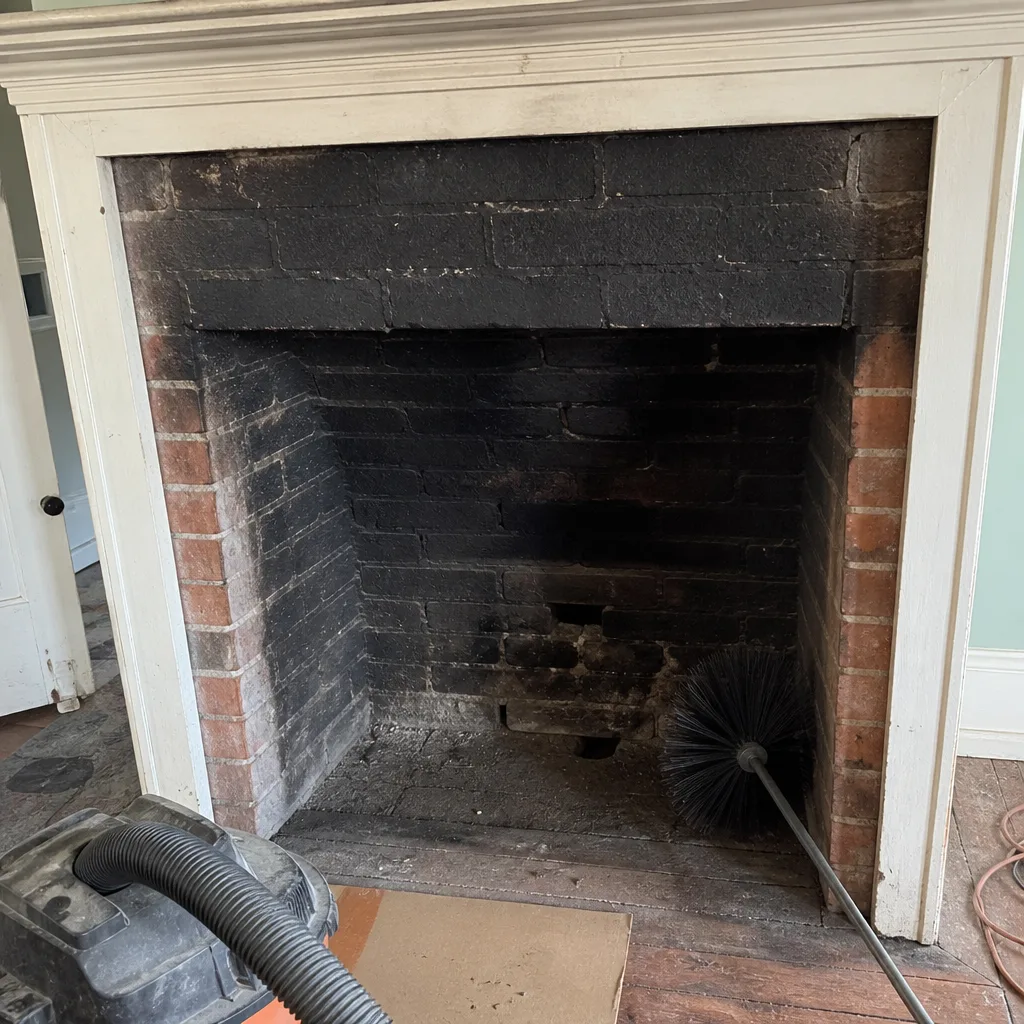 Before
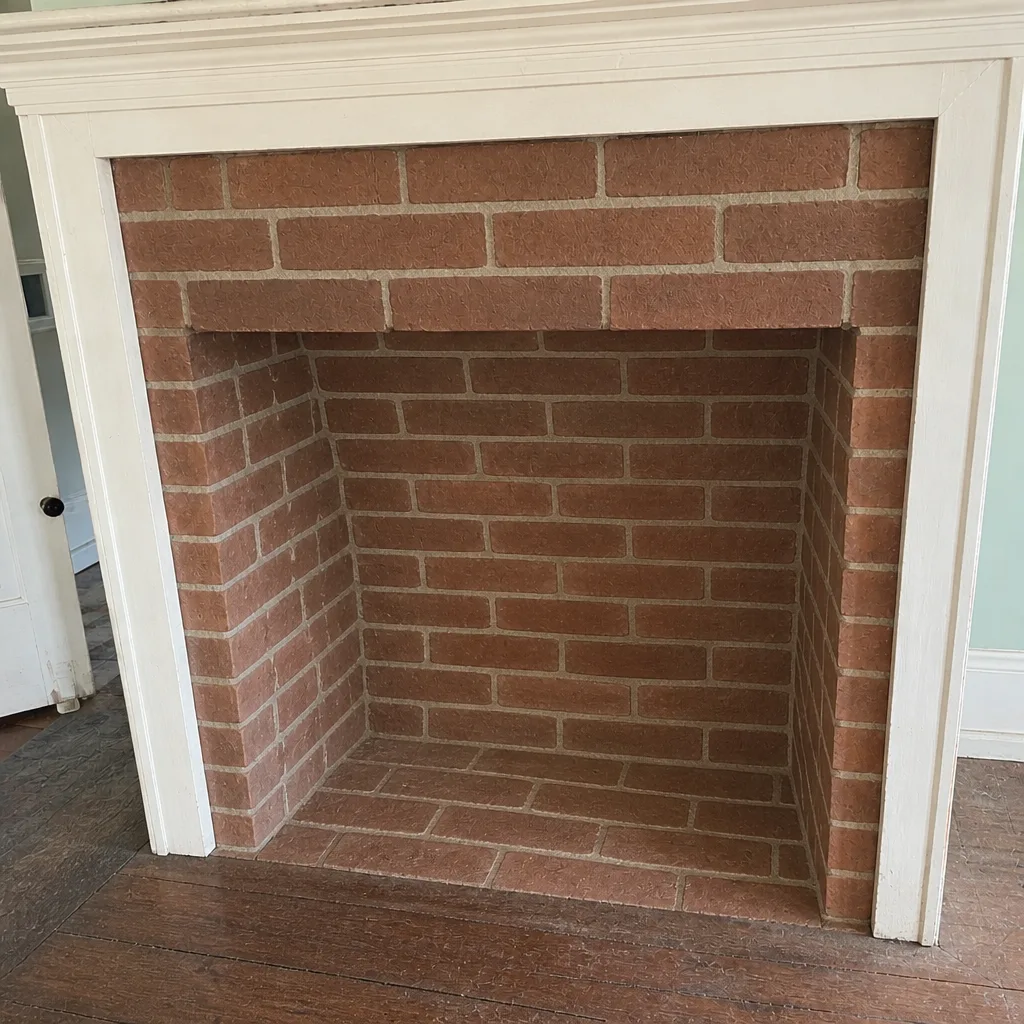 After
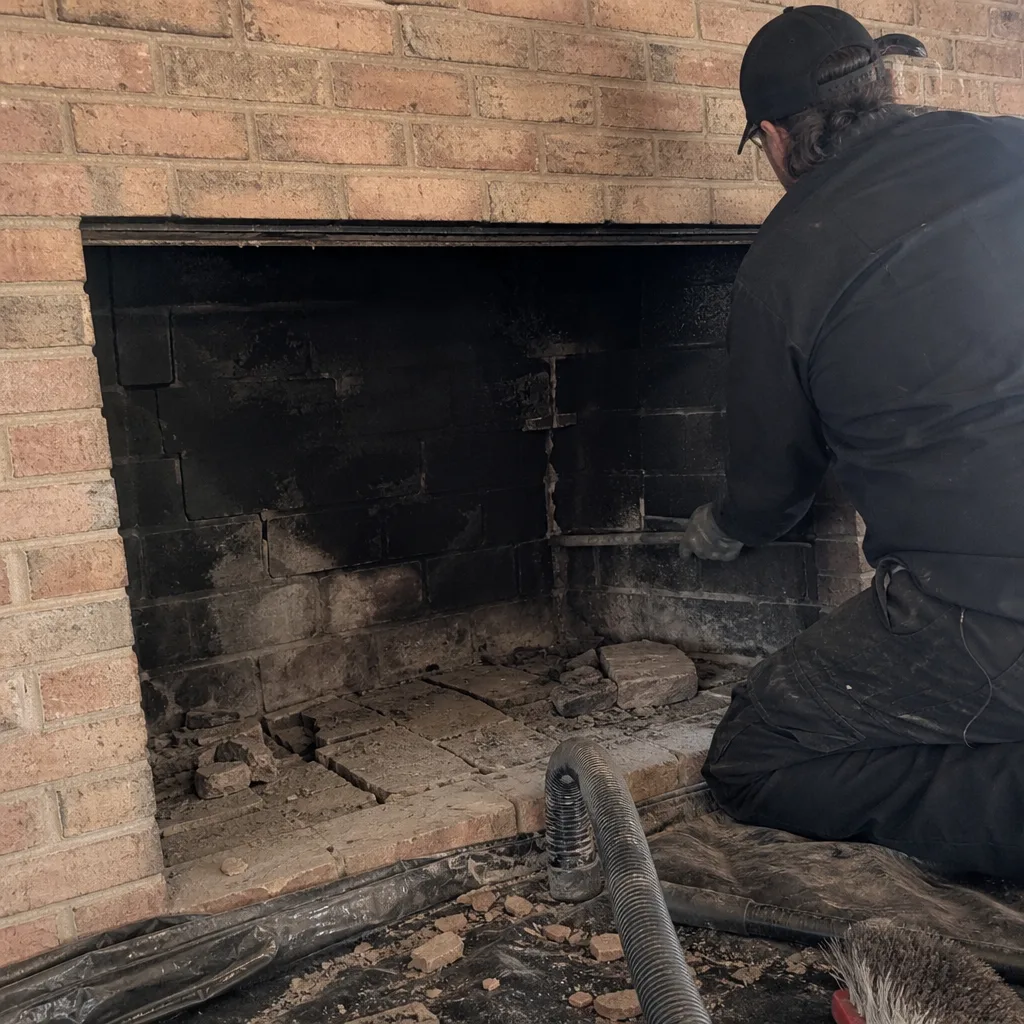 Before
 After
 Before
 After
When to Call a Professional
Call a professional if you’ve had any chimney fire, if the flue hasn’t been inspected in over a year, if you’re burning wood in a chimney with no cap, if you see smoke backing into the room, or if you’ve never had the flue checked by camera. Call immediately if you smell a burning-tar odor or hear a rumble from the flue. Don’t put off a post-fire Level 2 inspection: it’s the only step that clears the chimney for return to service. Chimney Sweep South Bend offers free estimates in South Bend, and we handle sweep, inspection, and repair in one visit. Call (888) 334-4231. We answer 24/7. Fast dispatch from 7am to 7pm, Sunday through Friday.
Frequently Asked Questions
You know you’ve had a chimney fire if you heard a rumble or roar from the flue, smelled a sharp acrid odor, saw puffing smoke from the chimney top, or found damage like cracked tiles or warped metal in the flue. Some chimney fires burn so quietly the only clue is damage found during a later inspection. If you suspect you’ve had one, call (888) 334-4231 for an inspection before you use the fireplace again.
No, not until a Level 2 inspection clears the flue. A chimney fire can crack tiles, warp a metal liner, or damage framing, and a second fire in a damaged flue can breach the chimney into the house. The inspection is the step that confirms the flue is safe. Call (888) 334-4231 to schedule one.
If the fire is still in progress or you’re unsure, call 911 and get everyone outside; don’t wait to see if it settles down. After the fire department clears the scene, call (888) 334-4231. We answer 24/7. A call outside dispatch hours is booked into the next opening, Sunday through Friday, 7am to 7pm.
A chimney should be swept once a year for most South Bend homes with regular wood-burning use, and more often if you burn frequently through the long heating season. The sweep removes creosote before it can reach the glazed, flammable stage. Call (888) 334-4231 to book yours before the season starts.
Many homeowner policies cover chimney fire damage, but the claim depends on documentation, which is why a post-event inspection with a camera report and photos matters so much. Call (888) 334-4231 for a post-event inspection you can submit to your insurer.
Skipping the inspection lets creosote build to the glazed stage and lets small defects become big ones: a cracked tile, a rusted cap, a failing joint. Those are the conditions that set up a chimney fire. The inspection is the early-warning system. Call (888) 334-4231 for a free estimate.
The Bottom Line
A chimney fire is survivable and preventable, and the difference usually comes down to what happens before the heating season starts and in the first minutes after it begins. Recognize the quiet signs, get out and call 911 if it’s live, and don’t relight until a Level 2 inspection clears the flue. After a fire event, keep the scene intact and get the inspection report your insurer will need. For South Bend homes, the backup heat source in a power outage needs to be inspected before you lean on it, and the annual sweep is the simplest defensive move there is. From inspection to repair, we handle it in one visit, with professional-grade materials.
Call (888) 334-4231 for a free estimate. We answer 24/7. Fast dispatch from 7am to 7pm, Sunday through Friday.
Written by the team at Chimney Sweep South Bend.