
Last updated November 15, 2026
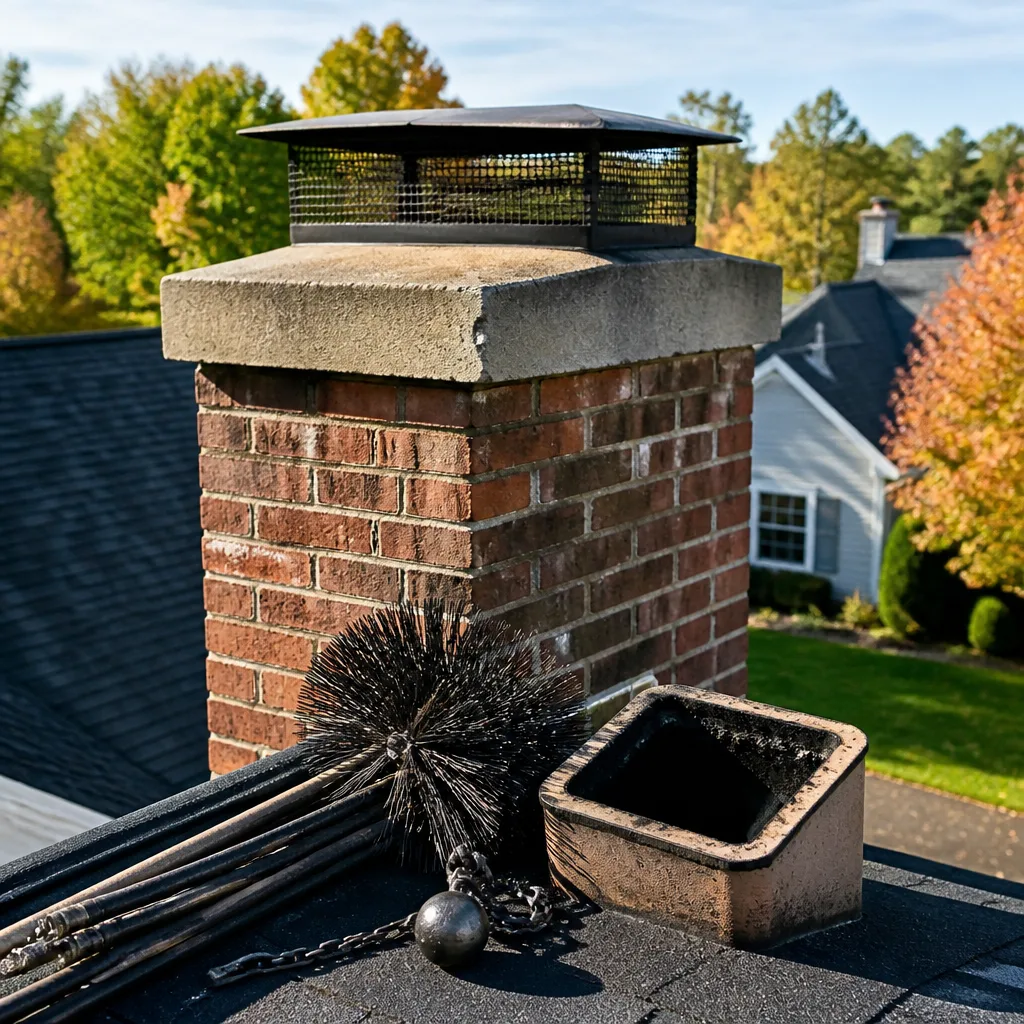 Sweep & inspection
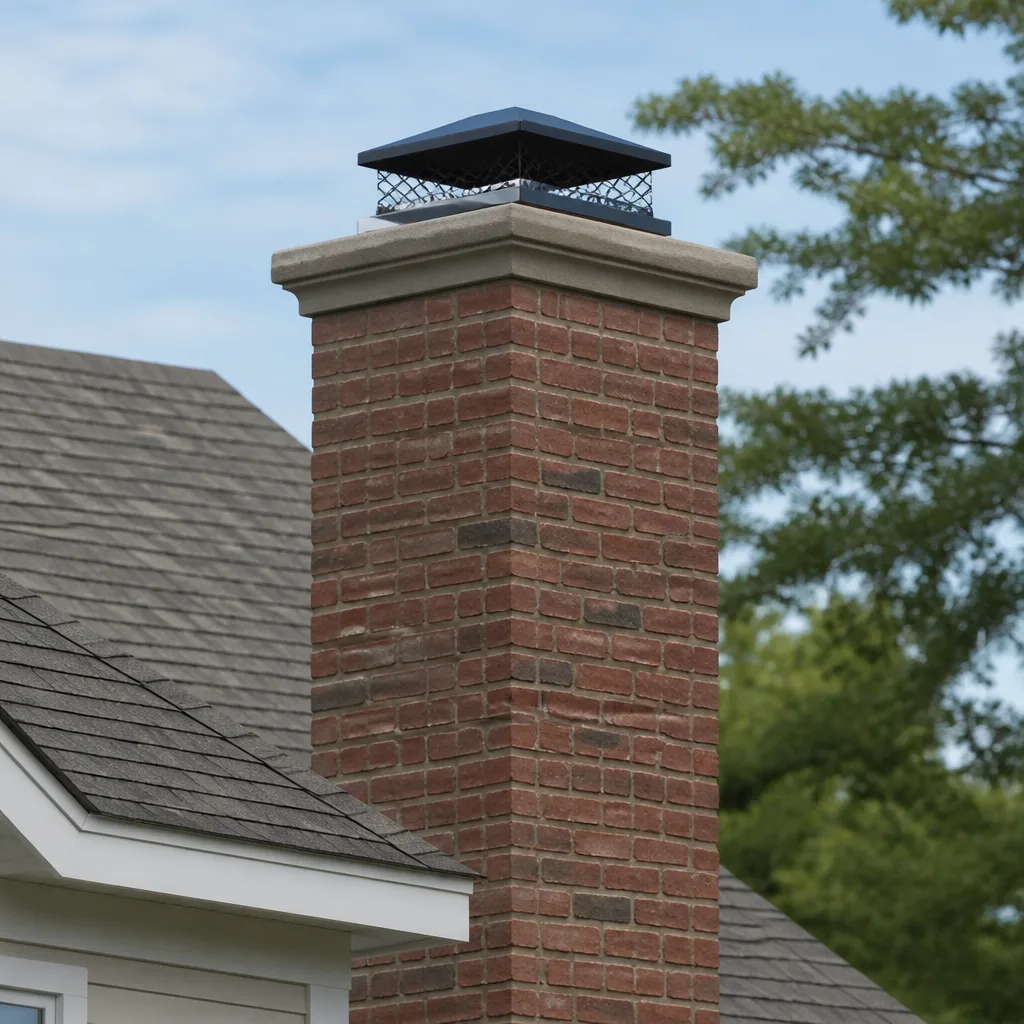 Caps & crowns
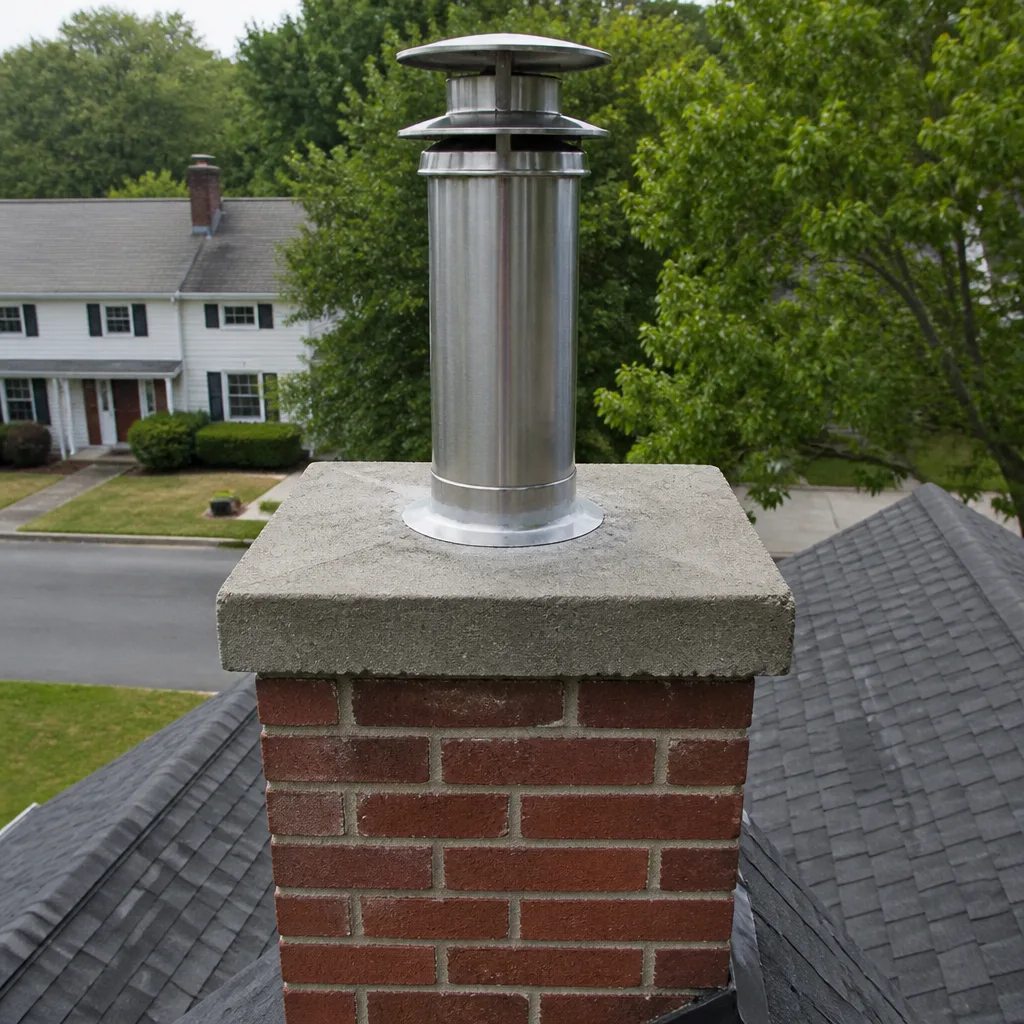 Flue relining
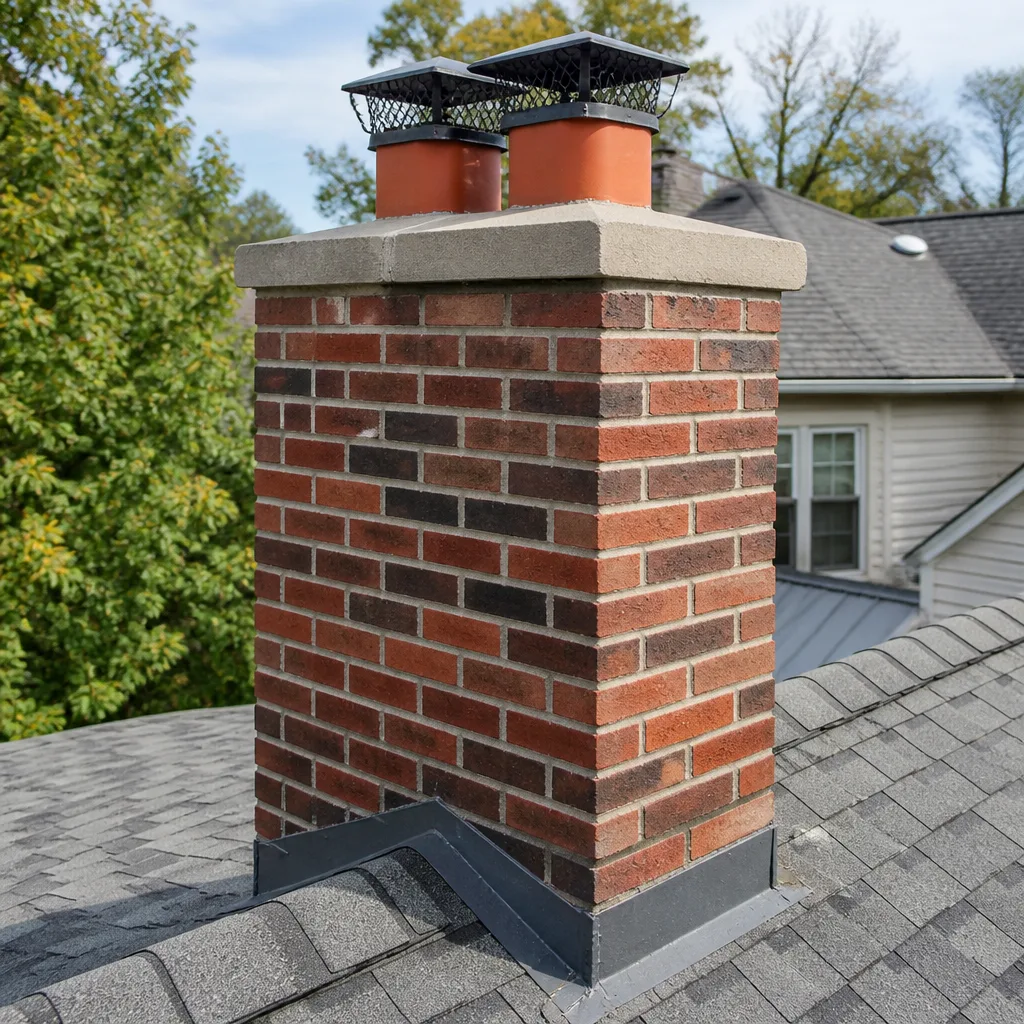 Masonry repair
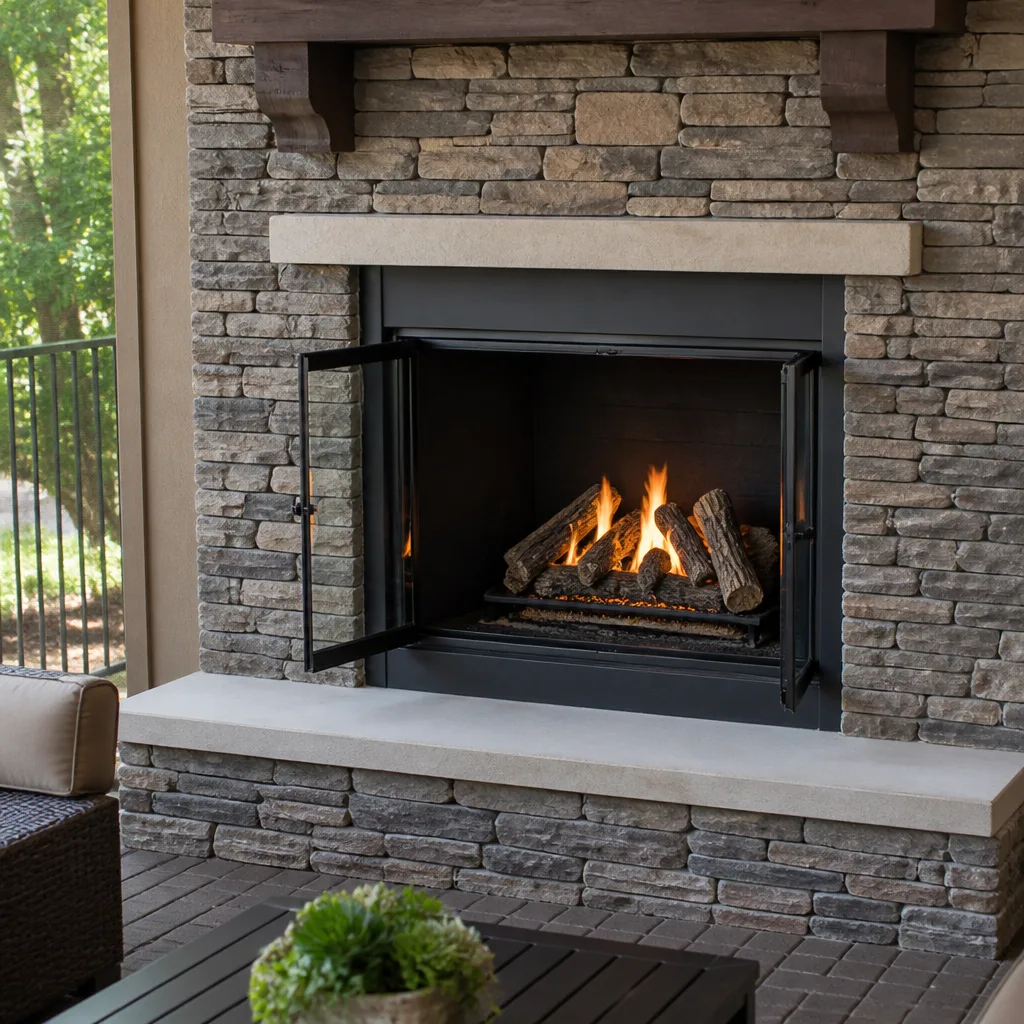 Gas fireplace service
Level 1 sweep and inspection to the NFPA 211 annual standard - flue, crown, cap, and flashing checked and photographed
Chimney sweep logs do not sweep chimneys. They loosen some creosote - which then falls where a brush and vacuum still have to collect it.
DIY vs Professional Chimney Cleaning: The South Bend Homeowner’s Decision Guide
You can buy a chimney brush kit at any hardware store and clean your own flue. What you can’t buy is the ability to tell Stage 1 creosote from Stage 2, and getting that wrong is how chimney fires start. The DIY versus professional question isn’t really about whether you’re physically capable of pushing a brush up a flue. Most homeowners are. The real question is whether you can accurately interpret what you find up there, and in South Bend’s climate, with its long heating season and older housing stock, the consequences of misreading your chimney are serious enough to make that distinction matter. This guide walks through what you can safely handle yourself, what genuinely requires professional equipment, and how to get real value out of both.
Quick Answer
Homeowners can safely handle firebox debris removal, visual cap inspections, and basic draft checks, but full flue cleaning and liner assessment need professional tools and training. In South Bend, older homes with offset flues and clay tile liners make DIY sweeping risky because damage often goes undetected until it becomes a fire hazard or carbon monoxide problem. A professional chimney sweep paired with an inspection gives you something a brush can’t: an accurate read on creosote stage, liner integrity, and what actually needs fixing.
Styles & brands we work with
- Sweep & inspection
- Caps & crowns
- Flue relining
- Masonry repair
- Gas fireplace service
Table of Contents
- What the DIY Question Is Really About
- What You Can Legitimately Do Yourself
- Tasks That Require Professional Equipment
- South Bend-Specific Risks for DIY Missteps
- The Insurance and Liability Angle
- How to Use DIY Maintenance Between Professional Visits
- DIY vs Professional: The Real Cost Comparison
- Common Mistakes to Avoid
- When to Call a Professional
What the DIY Question Is Really About
The average homeowner with a ladder, a brush, and a free afternoon can push a flue brush down a chimney and pull soot out of it. That part is not complicated. The complication is everything that happens around that brush stroke: recognizing what kind of creosote you’re seeing, knowing whether the brush just knocked loose a chunk of clay tile, and understanding whether the black, glassy layer near the top of the flue is a nuisance or a hazard. Those are judgment calls, and they’re the reason the DIY question exists at all.
In our experience, the calls that follow a DIY sweep tend to fall into a few categories. Some homeowners did everything right and just want confirmation. Others dislodged a tile or scraped a flue and didn’t know it until smoke started backing up. And some reports describe creosote we can’t verify without pulling a camera. That’s the reality of the trade: capability is easy to overestimate, interpretation is hard.
South Bend sits in a climate where the heating season runs long and wood stoves and fireplaces get heavy use from October into April. That’s more burn cycles than homeowners in milder parts of the country see. More burn cycles mean more creosote accumulation, and creosote accumulates in layers that a homeowner’s eye can mistake for soot. That’s before you get to the homes themselves: many South Bend houses were built decades ago, and their chimneys reflect building practices from that era. Offset flues, clay tile liners, and exterior chimney chases are all common, and each one changes what a DIY sweep can safely accomplish. This is why we treat chimney cleaning as a diagnostic activity, not just a scrubbing one. For a deeper look at the underlying work, our guide to Chimney Sweep South Bend explains what a standard service visit actually covers.
What You Can Legitimately Do Yourself
There’s real value in a homeowner who knows their own chimney. We’re not going to pretend otherwise. Certain maintenance tasks fall clearly on your side of the line, and doing them keeps your chimney safer between professional visits. Here’s what a homeowner can handle without specialized equipment or training.
- Firebox debris removal. Scooping out ash, leftover bark, and unburned wood from the firebox is straightforward. Use a metal container for ash, and never store it on a wood floor or near combustibles for a day or two after emptying. Embers can stay hot for hours.
- Visual cap checks from the ground. Binoculars and a walk around the yard will tell you if your cap is missing, loose, or clogged with debris. A missing or damaged cap is a common cause of water intrusion and animal nests, and it’s easy to spot from below without getting on the roof. If you see a problem, it’s worth calling before it becomes a bigger repair.
- Basic draft tests. Before lighting a fire, hold a lit match near the open damper. If smoke is pulled up the flue rather than drifting into the room, draft is functional. If it isn’t, don’t light the fire; call a professional. This small check catches backdraft problems early and costs nothing.
- Damper operation checks. Opening and closing the damper by hand a few times during the season confirms it’s moving freely. A damper that sticks or won’t close fully is a draft and heat-loss issue worth fixing.
- Exterior inspection from the ground. A walk around the house each fall will reveal obvious brick spalling, missing mortar joints, or a cap that’s tilted.
Those tasks are safe and useful. They don’t replace a professional sweep, but they do catch small problems before they grow. A homeowner who knows their chimney’s baseline can tell a technician precisely what changed.
Tasks That Require Professional Equipment
Below a certain depth in the flue, DIY work stops being safe, and that’s where professional tools and training take over. These are the tasks that a brush kit can’t replicate.
- Rotary cleaning for Stage 2 creosote. Stage 2 creosote is the hardened, glazed layer that clings to flue walls and doesn’t come off with a standard hand brush. Removing it requires rotary equipment with the right cutting heads, and using that equipment wrong can damage a clay tile liner. A professional sweep knows which head to use and how much pressure the flue can take.
- Camera inspection of liner integrity. A video camera run through the flue reveals cracks, gaps, and misaligned tiles that aren’t visible from above or below. This is the only reliable way to know whether a liner is intact or failing, and it’s the piece of evidence a homeowner can’t generate on their own.
- Smoke chamber resurfacing. The smoke chamber above the damper is a sloped, irregular cavity that accumulates creosote in ways a brush can’t address. Resurfacing it requires specialized products; our technicians use HeatShield, a ceramic resurfacing system that rebuilds a deteriorating flue surface without a full liner replacement. This is the work that most cleaning-only providers can’t offer, and it’s often a meaningful cost saving compared to tearing out and relining a flue.
- Liner repair and relining. When the liner is damaged beyond resurfacing, relining is the fix. We install DuraFlex flexible liner systems, which are built for the kind of structural work older South Bend chimneys often need.
- Cap and top-sealing installation. When a cap needs replacing, we fit products from lines like Olympia Chimney and Famco, built for long-term weather resistance.
The dividing line here matters. A homeowner can identify “there’s buildup.” A professional identifies what kind of buildup, whether the liner underneath it is compromised, and what it will take to fix it correctly the first time. That’s where the value sits.
South Bend-Specific Risks for DIY Missteps
South Bend’s housing stock adds a layer of risk that homeowners in newer parts of the country don’t face. Many homes here have chimneys built with construction methods that are more forgiving of correct maintenance and more fragile under incorrect maintenance. If you’re going to sweep your own flue, you need to know what’s behind the wall.
- Offset flues. An offset flue changes direction partway up the chimney. That bend is where debris collects and where a brush can jam or scrape the wrong wall. It’s also a section that’s difficult to inspect visually from above. A homeowner with an offset flue is far more likely to miss buildup there than a homeowner with a straight flue, and professional rotary equipment follows the offset safely.
- Clay tile liners. Older South Bend homes often have clay tile liners joined with mortar. Clay tile is brittle, and the joints between tiles are weak points. A homeowner using a brush with too much force, or the wrong diameter, can crack a tile or displace a joint without knowing it. The result is a gap that lets heat and gases reach combustible material in the chimney chase. That’s the kind of damage that only shows up on camera, and that’s a strong argument for letting a professional handle anything beyond light surface soot.
- Long heating seasons. From the first cold snap in October through the last fire of April, South Bend chimneys run hot and often. That’s more creosote accumulation per year than milder climates produce, and it raises the probability that a flue will reach Stage 2 buildup before the next professional visit.
- Exterior masonry chimneys. Many South Bend homes have chimneys that run up the outside wall of the house. These are exposed to freeze-thaw cycles through the winter, which stresses mortar joints and can open cracks where water enters. Those cracks are hard to see from the ground and easier to miss without a trained eye.
The pattern is consistent: the risks in South Bend are mostly about things you can’t see. That’s not a knock on DIY; it’s simply why professional inspection is the piece of the annual service most worth paying for. When you book with us, the same specialist who finds a problem also fixes it, and they’ll tell you plainly when work can wait. For a full rundown of what that visit includes, see our chimney repair service page and our broader overview of South Bend.
The Insurance and Liability Angle
Here’s an angle most DIY guides skip entirely: what happens after a loss. If a chimney fire damages your home, your homeowner’s policy is what you’ll lean on. But insurance adjusters investigating a chimney fire claim will typically want to see evidence of regular maintenance. If the chimney was cleaned by a professional, there’s usually a record: an invoice, a report, a service note. If the homeowner did it themselves, that record doesn’t exist, and the adjuster has no way to confirm the chimney was maintained at all. That gap can complicate a claim even when the homeowner did everything right.
Indiana doesn’t require by law that a homeowner hire a professional to clean their own chimney. But the practical reality is that professional service creates a documented maintenance history, and that history matters at claim time. We’re not in the business of telling you which policy language applies to your situation; that’s a question for your insurer. What we can say from the other side of a lot of these jobs is that documentation is worth having.
The liability question also runs the other way. If a homeowner sweeps a flue, dislodges a tile, and later has a fire, the connection between the DIY work and the loss can be hard to untangle. Professional sweeps are insured and work with the tools and training to reduce that risk, and they document what they did. That’s not a small thing in a claim scenario. Call (888) 334-4231 if you want to talk through what a service record looks like for your chimney.
How to Use DIY Maintenance Between Professional Visits
If you’re booking an annual professional sweep, you can absolutely do useful work during the months between. The right role for a homeowner is routine observation and light upkeep, and the closer you get to that role, the more value you get out of a professional visit. Here’s how to structure the year.
- Before the heating season, do the walk-around. Check the cap, look for masonry cracks, confirm the damper moves freely. Write down anything that looks off, and bring that list to your inspection. A homeowner who can tell a technician “the damper started sticking in December” saves diagnostic time.
- Empty the firebox regularly during burn season. Ash accumulation reduces draft and takes up firebox space. Use a metal can and empty it well away from combustibles.
- Watch the smoke during a fire. Dense, dark smoke that drifts into the room instead of going up the flue is a signal to stop burning and call. Occasional smoke on startup is normal; persistent smoke is not.
- Book the sweep before the busy season. Fall is when everyone calls. Getting your inspection scheduled earlier means the problem list gets worked through before the first real cold snap.
- Don’t sweep on top of buildup you can’t identify. If you look up the flue and see a thick, glossy layer instead of light soot, call a professional instead of breaking out the brush. That’s Stage 2, and it needs rotary equipment.
This sequence gives the homeowner a real role. You’re the observer on-site all year, and we’re the specialist who interprets and fixes what you report. That division of labor works better than the alternative, where a homeowner does an amateur sweep and a professional can’t tell whether the flue is intact. Our technicians have up to 10 years of experience, and a lot of that experience is spent reconstructing what happened to a chimney between visits.
DIY vs Professional: The Real Cost Comparison
The honest answer on cost is that DIY looks cheaper on paper and often isn’t when you price out the risks. A brush kit and a ladder cost less than a professional sweep, absolutely. But the comparison only holds if the DIY sweep accomplishes the same thing, and it usually doesn’t: no camera inspection, no creosote stage identification, no documentation. Here’s how to think about the trade-offs.
- Pure cost of the tools. A brush kit, extension rods, and a decent ladder add up. If you’re buying tools for one sweep, you’ve spent more than most single professional visits cost.
- Hidden cost of a misdiagnosis. A homeowner who misses Stage 2 creosote or a cracked tile is facing repair or relining costs that would have been avoided by catching the problem at the sweep.
- Value of the inspection. A professional visit includes a camera inspection and a report, which is the piece that most reliably catches liner damage early.
- Insurance and documentation. A professional record of maintenance has value at claim time; a DIY record doesn’t exist.
- The right hybrid. Do the safe DIY tasks yourself, book the professional sweep and inspection annually, and let a specialist handle anything involving the flue interior beyond light soot.
For a professional-grade chimney inspection combined with sweep and repair in one visit, our team handles all three services under one roof. There’s no outsourcing, no handoff to a second contractor, and no reason to schedule a follow-up with someone else when the original specialist already knows your chimney. Estimates are free, and we’ll tell you plainly when work can safely wait.
Common Mistakes to Avoid
- Assuming a brush stroke equals a clean flue. A hand brush removes surface soot; it does nothing to glazed Stage 2 creosote. If you see a shiny, hardened layer up the flue, stop and call.
- Sweeping without checking the cap first. If the cap is missing, debris and wildlife can enter the flue, and sweeping on top of that can wedge material into the smoke chamber. Check the cap from the ground before you touch anything.
- Using the wrong brush size on a clay tile liner. An oversized brush can crack tiles or open mortar joints, especially in older South Bend homes. If you don’t know your flue’s interior dimensions, let a professional confirm them.
- Ignoring an offset flue. Offset flues are common in South Bend’s older homes, and they’re where buildup hides. A homeowner with an offset flue should almost always let a professional sweep, because the bend needs rotary equipment to clear safely.
- Putting off the annual inspection because the sweep “looked fine.” Visual impression from the firebox tells you very little about the liner. Only a camera inspection does.
- Forgetting the smoke chamber entirely. The sloped cavity above the damper collects creosote that a brush can’t reach, and it’s a frequent driver of chimney fire risk. It needs professional resurfacing when it’s deteriorated.
- Burning wet or unseasoned wood to stretch the woodpile. Wet wood produces more creosote per burn. Season your wood longer and the creosote load drops across the whole season.
When to Call a Professional
Some situations call for a professional immediately, not next season. If you smell creosote in the house when the chimney isn’t in use, that can signal a buildup or backdraft problem. If smoke backs into the room on a regular basis, don’t keep burning; a draft or liner issue is likely. If you see a cracked flue tile, mortar missing from the chimney crown, or a cap that’s come loose, call before the next fire. If you’ve had a chimney fire, even a small one, stop using the fireplace until it’s inspected; the damage from a flue fire is often invisible from the firebox. And if you’ve just moved into a South Bend home and don’t know the chimney’s history, get a baseline inspection done before your first burn season.
Chimney Sweep South Bend offers free estimates in South Bend. Call (888) 334-4231 and we’ll work through what you’re seeing and what it likely means.
See the difference
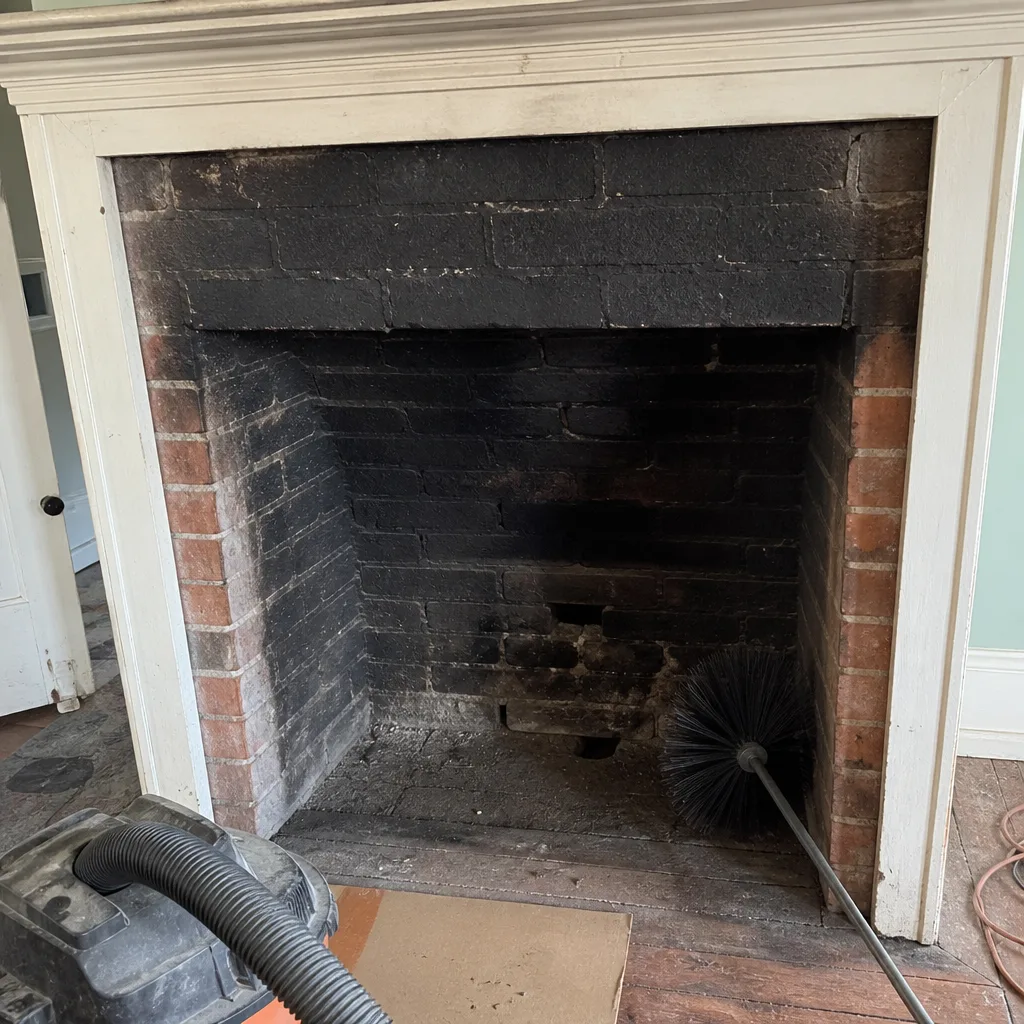 Before
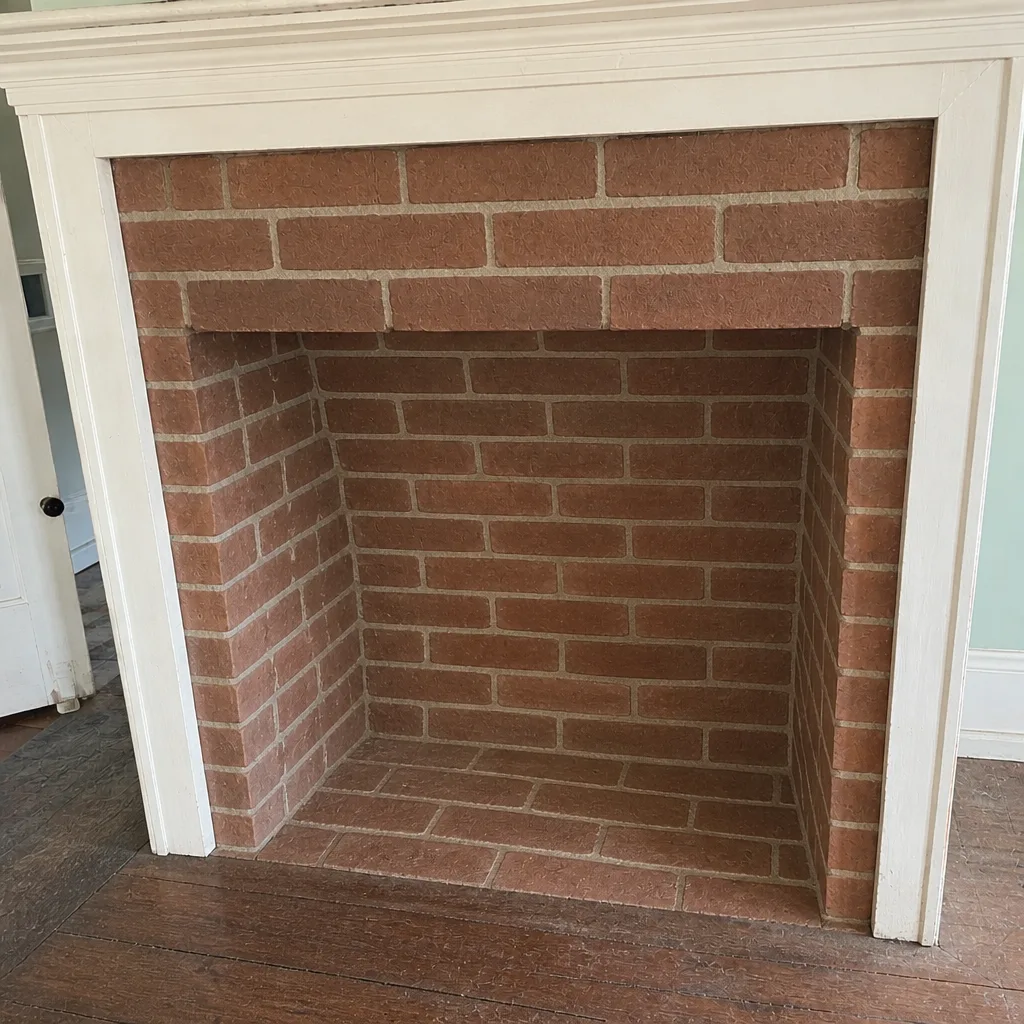 After
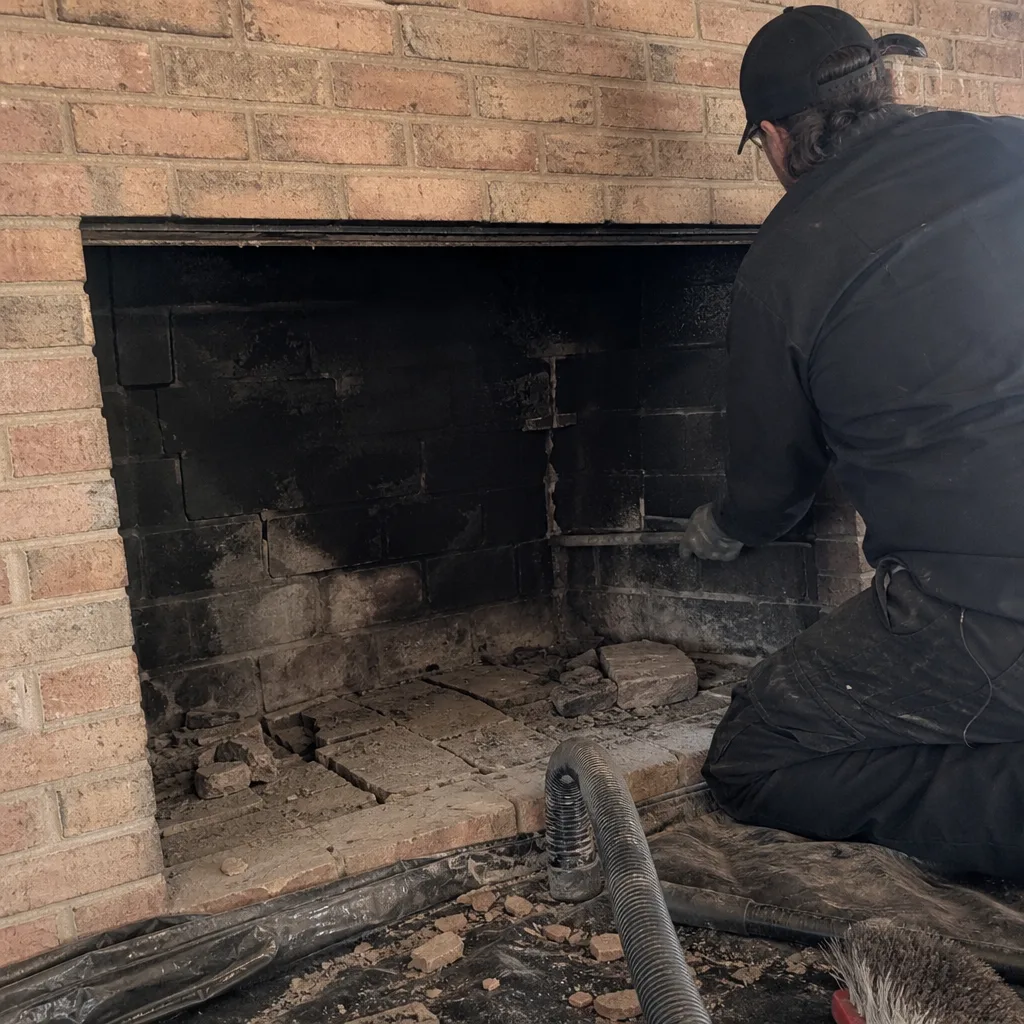 Before
 After
 Before
 After
Frequently Asked Questions
You can safely handle firebox debris removal, visual cap checks, and basic draft tests in South Bend, but full flue cleaning with a brush and anything beyond light surface soot should be left to a professional. Older homes here often have clay tile liners and offset flues that a homeowner’s brush can damage without visible signs. If you’re going to sweep your own flue, have a professional inspect it first so you know what you’re working with. Call (888) 334-4231 for an exact quote on an inspection; estimates are free.
Stage 1 creosote is soft, flaky soot that brushes off easily; Stage 2 is a hardened, glazed layer that bonds to the flue wall and requires rotary equipment to remove. Stage 3 is a thick, tar-like buildup that is a serious fire hazard and typically requires professional intervention. Distinguishing between them is the single biggest reason a homeowner should call a professional, because a hand brush can make Stage 2 look cleaned while leaving the dangerous layer in place.
That depends on your specific policy and the circumstances of the loss, so the answer has to come from your insurer. What we can tell you from the trade side is that adjusters investigating a chimney fire claim typically look for evidence of regular professional maintenance, and DIY work doesn’t leave a service record. If a DIY sweep caused damage that later contributed to a loss, the claim can get complicated. Call (888) 334-4231 to talk through what professional documentation would look like.
Most wood-burning fireplaces in South Bend should be swept annually, and homes with heavy use, wood stoves, or inserts often benefit from a sweep and inspection once per heating season. Our winters are long, and burn cycles add up faster here than in milder climates, so annual service is the sensible baseline. If you burn daily through the winter, schedule the sweep before the heating season rather than at the end of it. Call (888) 334-4231 to book; estimates are free.
Yes. HeatShield ceramic resurfacing can restore a deteriorated flue surface without a full liner replacement, and it’s an option many cleaning-only providers can’t offer because they don’t carry the equipment or training. When resurfacing isn’t enough, DuraFlex flexible liner systems can reline the flue. In both cases, the same specialist who inspects your chimney also does the repair, so there’s no handoff. Call (888) 334-4231 for an assessment.
Skipping the annual inspection means going into the heating season without knowing whether your liner is intact, whether your creosote has reached a dangerous stage, or whether the cap is still in place. The risks build quietly: a cracked tile or glazed creosote layer can go unnoticed for years and then show up as a chimney fire or carbon monoxide issue. A professional inspection is how you catch those problems while they’re still cheap to fix. Call (888) 334-4231 to book one; estimates are free.
The Bottom Line
DIY chimney cleaning is not the enemy here; doing it in place of an inspection is. A homeowner should absolutely know their chimney, check the cap, test the draft, and keep the firebox clean. Those tasks have real value and pair well with professional service. But anything involving the flue interior, from rotary cleaning of Stage 2 creosote to camera inspection of a clay tile liner, belongs with a professional who has the tools to see what’s actually happening inside the chimney. In South Bend, with long winters and older housing stock, that distinction is the difference between maintenance and risk. The right structure is a professional sweep and inspection once a year, with a homeowner who observes and reports in between.
Chimney Sweep South Bend handles Chimney Sweep, Chimney Inspection, and Chimney Repair under one roof, using professional-grade brands like DuraFlex, HeatShield, Olympia Chimney, Famco, Copperfield, and Gelco. When you’re ready to book an inspection, call (888) 334-4231 for a free estimate.
Contact
Call Chimney Sweep South Bend at (888) 334-4231 for a free estimate. We answer 24/7. Fast dispatch from 7am to 7pm, Sunday through Friday. If you want to schedule an inspection, a sweep, or a repair, we’ll start with what you’re seeing and go from there.
Written by the team at Chimney Sweep South Bend.