
Last updated November 15, 2026
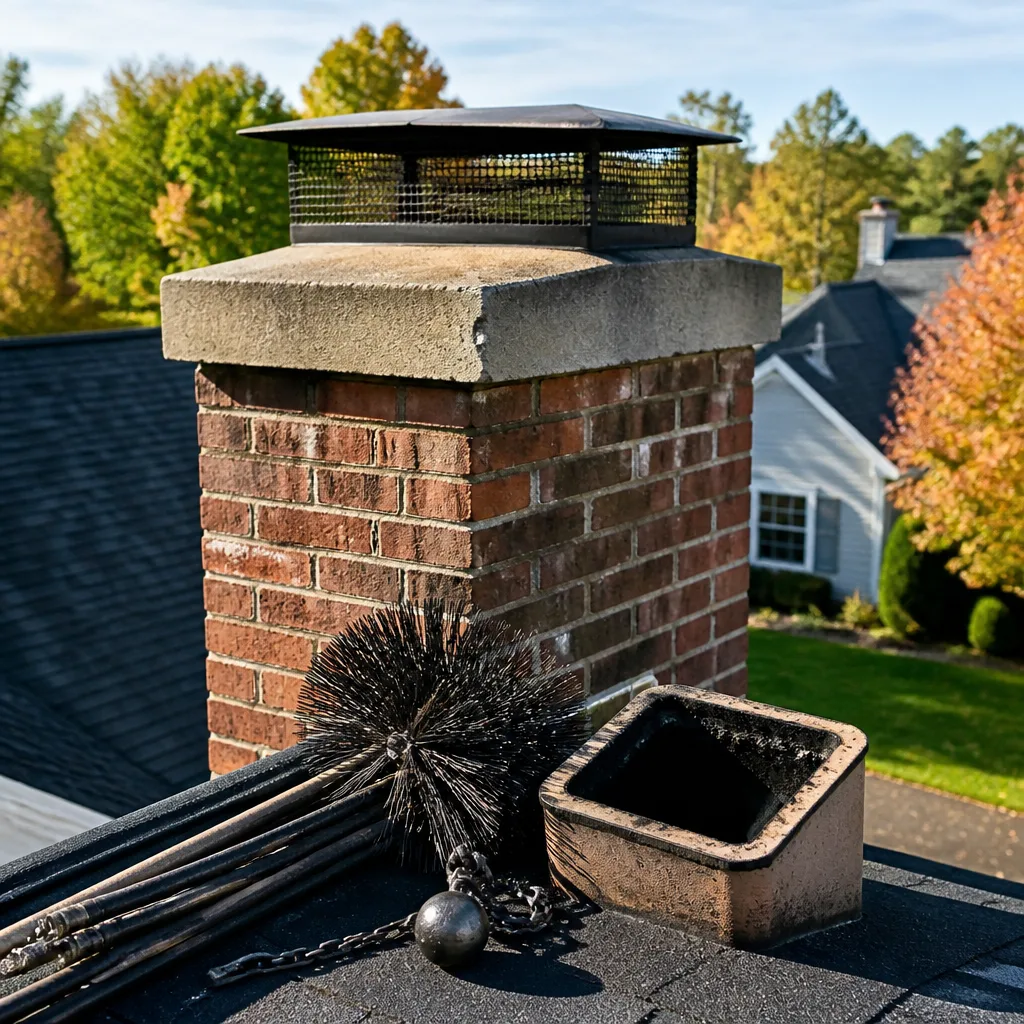 Sweep & inspection
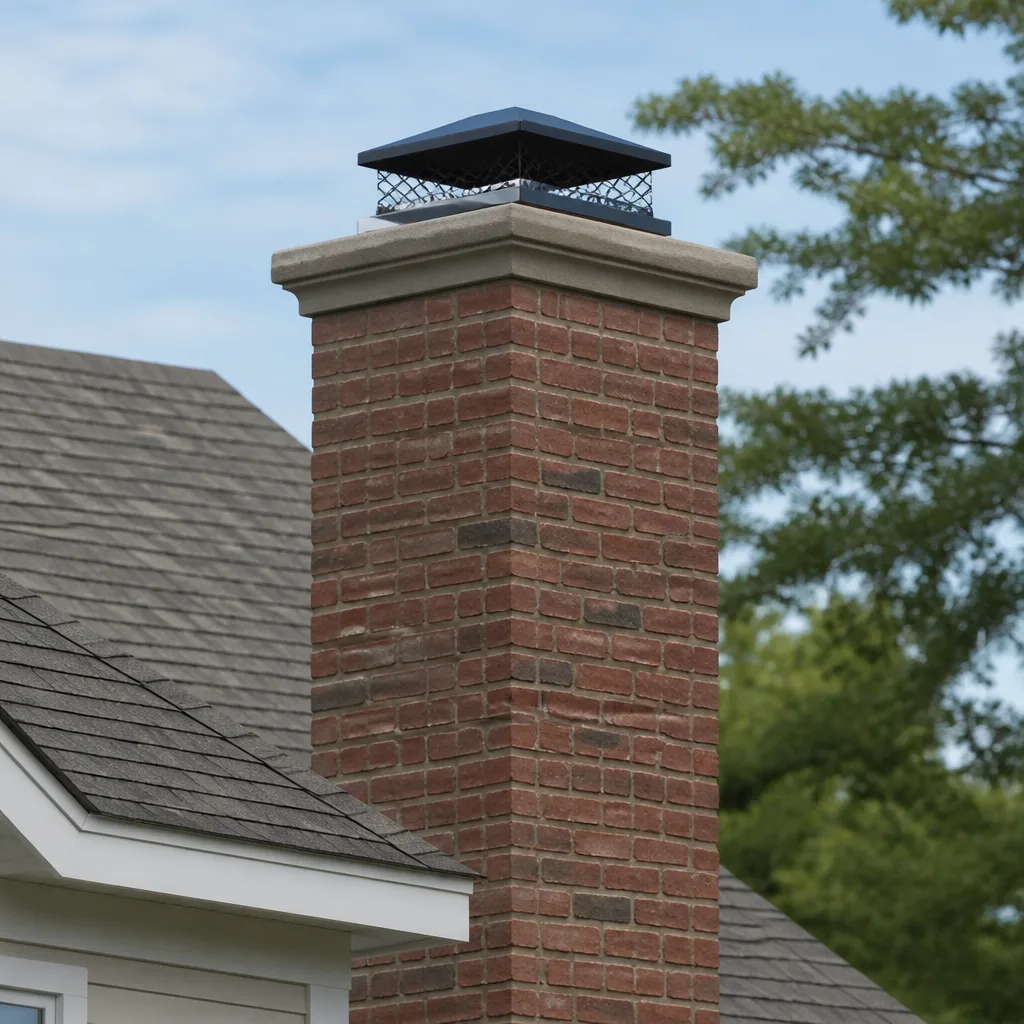 Caps & crowns
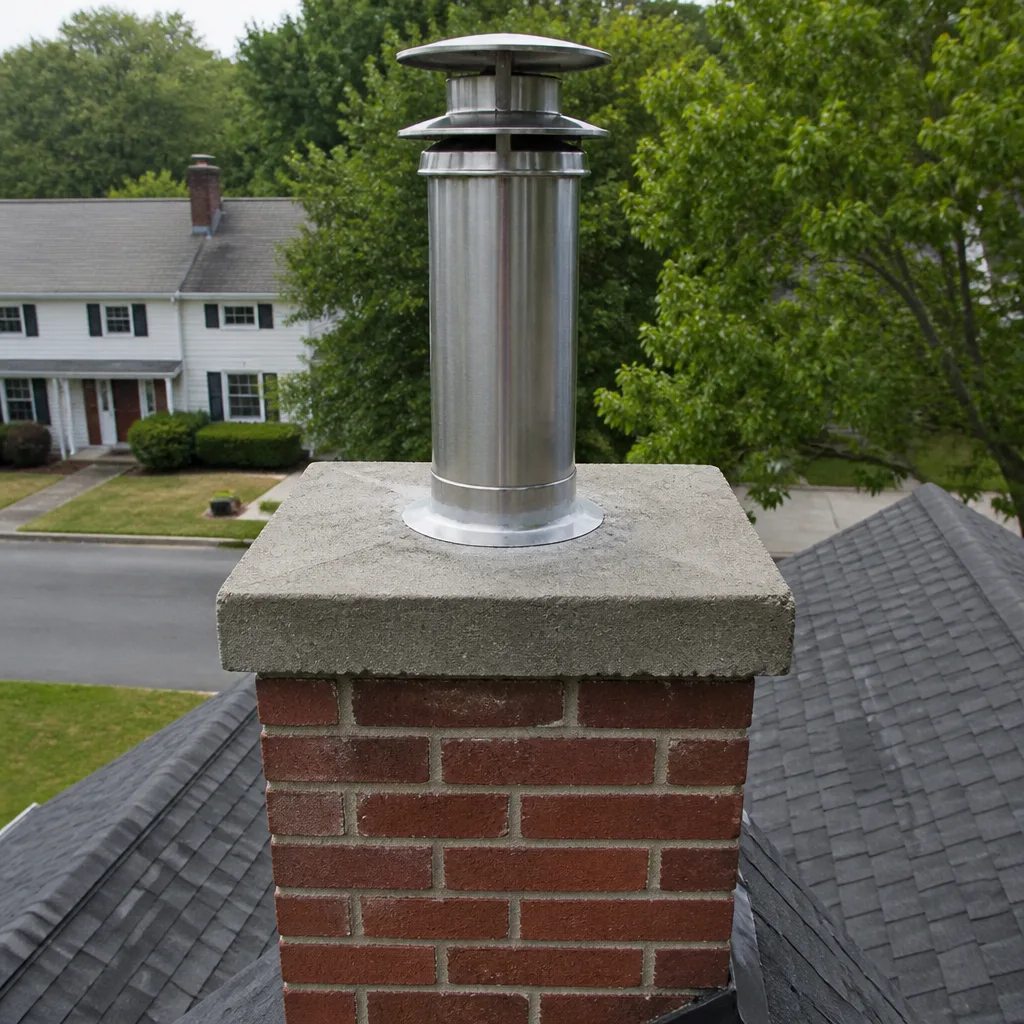 Flue relining
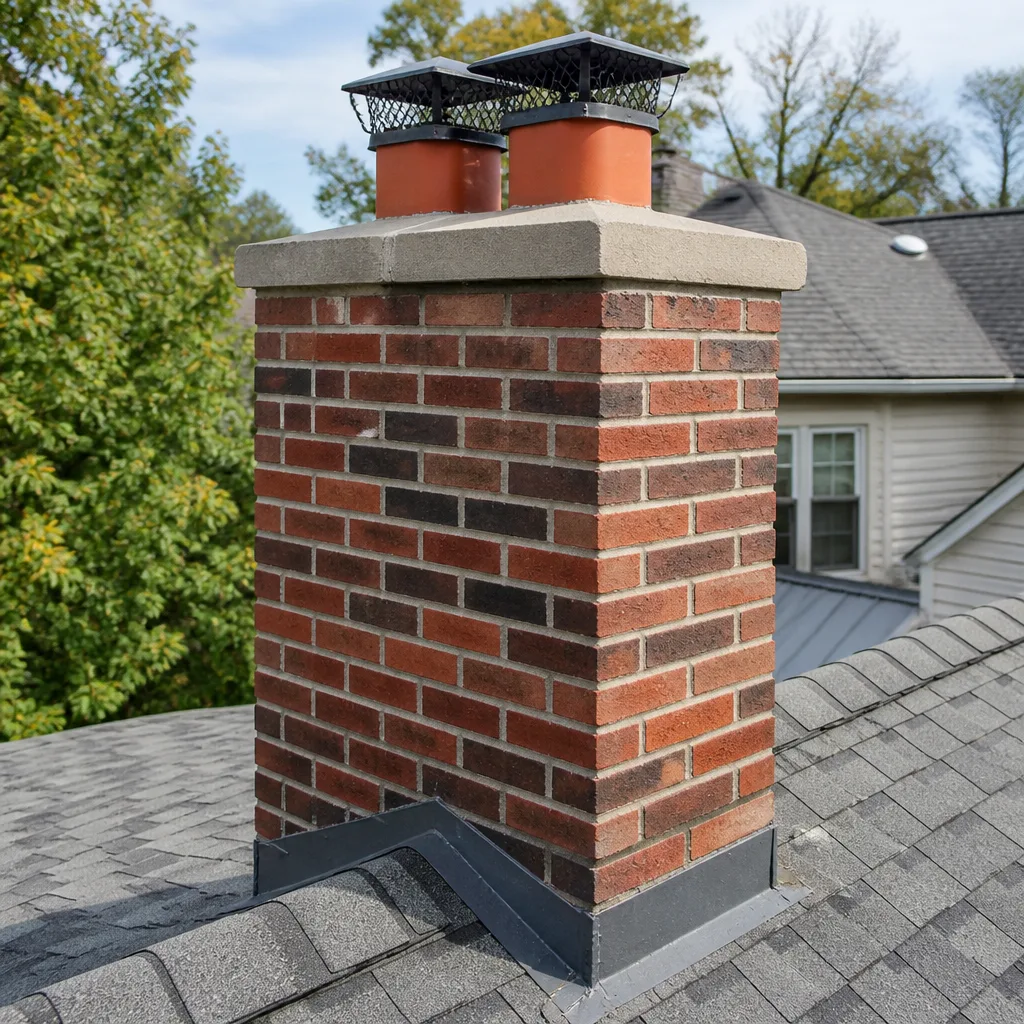 Masonry repair
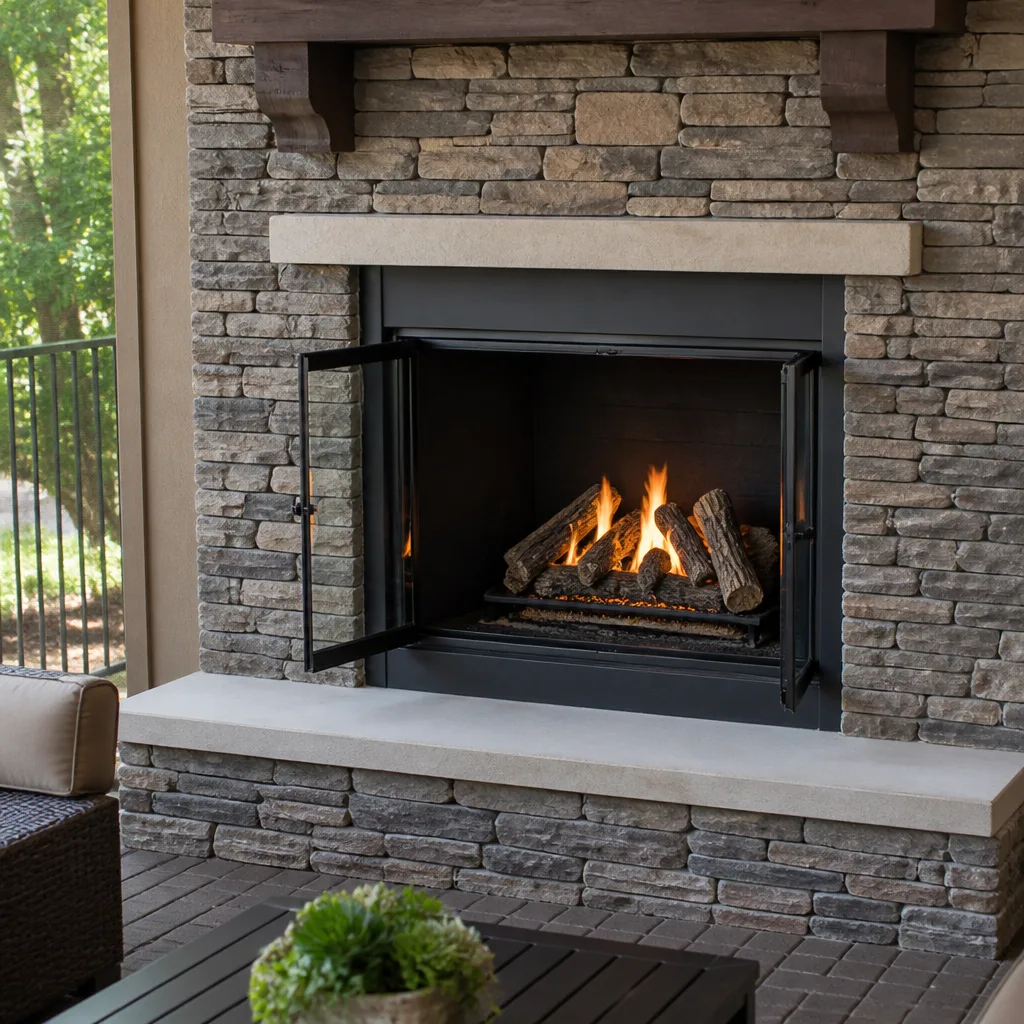 Gas fireplace service
Level 1 sweep and inspection to the NFPA 211 annual standard - flue, crown, cap, and flashing checked and photographed
Chimney sweep logs do not sweep chimneys. They loosen some creosote - which then falls where a brush and vacuum still have to collect it.
Chimney Cleaning Warning Signs: A South Bend Homeowner’s Reference Guide
A smoky smell in your living room doesn’t mean your chimney is dirty. It might mean your chimney has a draft reversal problem, a liner gap, or a moisture issue, and cleaning it won’t fix any of those. Most “chimney warning sign” lists lead with odor, smoke in the room, and visible soot. Those are real, but they’re late-stage signals. By the time they show up, the underlying condition has usually been building for a season or more. This guide works backward. We’ll show you the earlier signs South Bend homeowners can spot themselves, what each one actually points to, and which ones mean stop using the fireplace today versus schedule a sweep soon. You’ll also learn why our clay soil and freeze-thaw climate make certain exterior problems more common here than in stable-climate markets.
Quick Answer
The earliest chimney cleaning warning signs are a smoky or damp odor that returns when the fireplace is cold, a draft that pushes smoke back into the room on startup, dark staining on the exterior brick or cap, and a crown with visible cracks. Later signals include heavy soot at the firebox, a blackened damper, and smoke that lingers after the fire is going. If you can smell creosote when the fireplace isn’t burning, or see smoke rolling into the room, stop using it and get an inspection before your next fire.
Styles & brands we work with
- Sweep & inspection
- Caps & crowns
- Flue relining
- Masonry repair
- Gas fireplace service
Table of Contents
- What Your Nose Is Telling You: Creosote Odor vs. Moisture Odor
- Draft Problems Decoded: Why Smoke Enters the Room
- The Exterior Warning Signs You Walk Past Every Day
- Why South Bend’s Clay Soil and Freeze-Thaw Cycles Matter
- Stop Using the Fireplace Immediately vs. Schedule Soon
- What a Real Inspection Includes (and What It Doesn’t)
- How Often a South Bend Chimney Actually Needs Cleaning
- When Cleaning Isn’t the Fix: Relining, Resurfacing, and Cap Work
What Your Nose Is Telling You: Creosote Odor vs. Moisture Odor
The two odors homeowners describe most often point in completely different directions, and the fix for one will do nothing for the other. Learning to tell them apart early saves money and catches problems before they’re structural.
Creosote odor is sharp, acrid, and tar-like. It’s strongest on warm, humid days when the fireplace is cold, because the glazed creosote on the flue walls softens slightly and off-gasses into the house. If your fireplace smells like a campfire in July but not in January, that’s the classic creosote signature, and it usually means a layer of glazed creosote has built up beyond what a light brushing clears. Glazed creosote is the fuel for chimney fires, so this is a real signal, not a nuisance.
Moisture odor is musty, earthy, and closer to a damp basement than a campfire. It often comes with a faint rusty smell. That points to water getting into the flue or the smoke chamber, usually through a failed cap, a cracked crown, or deteriorated flashing at the roof line. Cleaning a chimney with a moisture problem makes it smell better for a week and then the problem returns, because the water source was never addressed.
Here’s the practical filter we use:
- Campfire smell in warm weather, gone in cold: creosote buildup. Schedule a sweep.
- Musty or rusty smell year-round, worse after rain: water intrusion. Inspect the cap, crown, and flashing before sweeping.
- Both at once: common in South Bend after a wet spring, and it usually means both a dirty flue and a failing cap. Call for an inspection so the two get sorted together.
- Chemical or sulfur smell: stop using the fireplace and have it checked. This isn’t a normal chimney odor and can point to a gas appliance issue if you have one connected to the same flue.
One more thing worth knowing: the smell of creosote doesn’t get stronger the more you burn. It gets stronger the longer the chimney sits unused after a season of burning. That’s why the fall startup is when most South Bend homeowners first notice it, and why late summer is the smarter time to book a chimney sweep before the smell is on your mind and the schedule is full.
Draft Problems Decoded: Why Smoke Enters the Room
Smoke in the room is the symptom homeowners call about most, and it has at least three common causes that look identical from the couch. Knowing which one you’re dealing with tells you whether cleaning will help, whether a repair is needed, or whether the issue is your house and not your chimney at all.
Blockage. A nest, a leaf pack, or a collapsed flue tile can reduce the flue’s cross-section and cause smoke to back up into the room. This usually comes on suddenly, often in spring or fall when animals are active. If your fireplace drafted fine last season and now won’t, a blockage is the first thing to check.
Height or termination issue. A chimney that’s too short relative to the roofline, or one whose cap is damaged or the wrong style, won’t pull. A neighboring roof or a nearby tree can change the pressure at the top. This shows up as smoke that starts fine and rolls back once the fire warms up, or smoke that only backs up on windy days.
Pressure imbalance in the house. A tight, well-sealed modern home can be the culprit. Bathroom fans, kitchen exhaust, and a furnace pulling combustion air from the same space can depressurize the house enough to reverse the draft. This tends to show up on cold mornings when the furnace is running hard. If your smoke problem only happens with the furnace on, you’re looking at a house pressure issue, and no amount of cleaning will fix it.
Before you call anyone, run this quick check:
- Open a window a crack near the fireplace and light a small test fire. If the smoke clears, you likely have a pressure problem, not a blockage.
- Look up the flue with a flashlight during daylight. If you can’t see light at the top, something is blocking it.
- Check the cap from the ground. A damaged or missing cap with visible debris around the crown points to a blockage.
- Note the weather. If it’s only windy days or only cold mornings, tell us that when you call, it narrows the diagnosis fast.
If smoke enters the room with the fire going strong, stop burning. Backdraft brings carbon monoxide risk along with the smoke, and that’s not something to troubleshoot over a live fire. Call us at (888) 334-4231 and we’ll book an inspection. We answer 24/7.
The Exterior Warning Signs You Walk Past Every Day
The outside of a chimney tells you more about its condition than the inside of the firebox, and most homeowners never look. These are the signs worth a slow walk-around once a season, especially after the last freeze of the year.
Staining patterns. White, chalky streaks on the brick are efflorescence, which is mineral salt pushed to the surface as moisture moves through the masonry. It’s not damage itself, but it’s evidence that water is getting in somewhere. Dark streaks below the cap or along the flashing line point to a leak. Rust-colored streaks below the crown often mean the crown has cracked and water is running through it.
Crown cracking. The crown is the sloped concrete cap at the very top of the chimney. It’s supposed to shed water away from the flue. Hairline cracks are normal with age. Wide cracks, chunks missing, or a crown that’s pulling away from the flue are not, and they let water straight into the top of the chimney.
Efflorescence. Already covered, but worth separating from staining because it looks different. Efflorescence is powdery and can be brushed off. Staining is absorbed into the brick. Both mean moisture is present, and the fix usually lives at the cap, crown, or flashing.
Spalling brick. Brick faces that are flaking, peeling, or popping off in layers. Spalling means the brick is saturated and freezing. It’s the most expensive of the exterior signs to ignore because the repair grows the longer it’s left.
Flashing failure. The metal where the chimney meets the roof. Look for lifted edges, gaps, or rusted seams. Flashing failure is the most common cause of leaks around a chimney, and it’s a straightforward repair when caught early.
Damaged or missing cap. A cap is a one-piece metal cover over the flue, usually with a mesh screen. Without one, water goes straight in and animals move into the flue. Gelco and Olympia Chimney caps are what we install because they hold up to Lake Michigan humidity and the freeze-thaw cycle without rusting through in a few seasons.
Walk your roofline once in spring and once in late fall. Snap photos on your phone. If anything changes between seasons, that change is your early warning sign, and it’s the best kind, because it arrived before the interior problem did.
Why South Bend’s Clay Soil and Freeze-Thaw Cycles Matter
South Bend sits on heavy clay soil, and clay does two things that affect a chimney: it holds water and it swells. Combined with our freeze-thaw swings, where a February afternoon can thaw what the morning froze, that creates a specific set of chimney problems you see here more often than in markets with sandy soil and stable temperatures.
Clay soil holds water against the foundation and against the base of an exterior chimney. When that moisture freezes, it expands. Over a season, that expansion pushes against the masonry base and against the chimney’s footing. The result is called heaving, and you’ll spot it one of three ways:
- Vertical cracks in the base masonry, often running consistently from the ground up.
- Cracks at the roof line where the chimney meets the house, wider at the bottom than the top.
- Doors or windows near the chimney that suddenly stick, because the foundation next to the chimney moved.
The freeze-thaw cycle also hits the crown and the brick faces harder here than in warmer climates. Water gets into a hairline crown crack on a January thaw day, then the overnight freeze pushes that crack wider. After three or four winters, a hairline crack becomes a real opening. In a climate that doesn’t freeze, the same crack sits harmlessly for years.
Flashing failure follows the same pattern. Our spring rain plus winter ice damning at the roof line puts more stress on the flashing seal than most of the country sees. That’s why Copperfield and Olympia Chimney flashing components, which are the trade-level lines, are what we use in this climate. Lake-effect snow and our humidity are hard on metal; commercial-grade caps and flashing outlast the hardware-store versions by a wide margin.
What to watch for, in order of concern:
- Cracks at the chimney base or where it meets the roof line.
- New efflorescence or staining after a hard freeze or a wet spring.
- Spalling brick faces, especially on the side facing prevailing weather.
- Ice damming against the chimney at the roof line, which points to a flashing or insulation issue.
If you’re seeing any of these in a South Bend home, the fix is often minor now and major in a few seasons. We can look at the exterior and the flue in one visit, which is one of the reasons we handle inspection and repair under the same roof.
Stop Using the Fireplace Immediately vs. Schedule Soon
The single most useful thing a chimney guide can do is sort its warning signs into “stop now” and “schedule soon.” Those are very different calls, and treating every sign as an emergency trains homeowners to ignore the real ones.
Stop using the fireplace immediately if you see any of these:
- Glazed creosote visible on the flue walls, or a heavy, shiny tar layer above the damper. This is fuel for a chimney fire.
- Smoke rolling into the room with the fire going strong. That’s carbon monoxide risk.
- A fire in the flue: a roaring sound like a freight train, black smoke from the top of the chimney, or a sudden smell of hot tar in the house.
- Cracked or missing flue tiles, or any visible damage to the inside of the flue. A gap in the flue lets combustion gases reach the surrounding structure.
- A damaged or collapsing firebox or smoke chamber, or loose masonry inside the firebox.
- Any carbon monoxide alarm activation in the home. Leave the house and call the fire department first, then call us.
Schedule an inspection soon, but the fireplace is safe to use with care, if you see:
- A creosote smell in the house when the fireplace is cold, with no visible glazing.
- Occasional light smoke on cold startup that clears once the fire warms.
- Normal annual soot at the firebox, with a flue that drafts fine.
- Visible crown cracks without staining or interior leaks.
- Exterior staining or efflorescence without spalling.
If you’re not sure which side you’re on, that’s the signal to stop burning and get an inspection. Our technicians have up to 10 years of experience and will tell you plainly whether the fireplace is safe to use while you decide, and we’ll say so when the work can wait.
What a Real Inspection Includes (and What It Doesn’t)
A chimney inspection is not a quick look up the flue from the fireplace. A real one covers the firebox, damper, smoke chamber, flue, crown, cap, flashing, and the exterior masonry, and it’s done with a camera, not a flashlight and hope.
Here’s what a proper inspection involves:
- Exterior evaluation. We walk the roof or use a ladder to check the crown, cap, flashing, and brick faces. Photos get taken so you can see what we see.
- Firebox and damper check. We look for cracked firebrick, a damper that doesn’t close, and damage to the smoke shelf.
- Camera inspection of the flue. A camera run down the flue shows the condition of the liner, any gaps, offsets, or blockages, and the thickness of creosote.
- Smoke chamber and flue transition. The smoke chamber is where most cracks hide. It’s the space just above the damper, and it needs to be smooth and sound for the chimney to draft and to keep gases away from the structure.
- Photo report and written findings. You get the photos and a clear summary of what’s fine, what needs cleaning, what needs repair, and what can wait.
What it doesn’t include: a sales pitch. If a technician tells you the liner is gone without showing you camera footage of it, that’s a red flag. If they can’t tell you which flue tile is cracked or where the gap is, they didn’t inspect, they guessed. Our inspections carry a photo report so you can verify every recommendation yourself. You should never be told you need repairs you can’t see evidence for.
How Often a South Bend Chimney Actually Needs Cleaning
The honest answer is: it depends on how much you burn, what you burn, and how your chimney drafts. A chimney cleaning is due when the creosote layer reaches about 1/8 inch inside the flue. That’s a measurable condition, not a calendar interval. But most South Bend homeowners land on a familiar pattern.
- Burn a cord or two a winter in an open fireplace: annual inspection, sweep roughly every other year unless the creosote layer is heavier.
- Burn three or more cords, or burn green or unseasoned wood: annual sweep, every year.
- Use a wood stove or insert as primary heat: annual sweep, and often more frequently depending on burn rate and the stove’s efficiency.
- Don’t burn at all: still inspect every few years. Blockages, water intrusion, and animal nests happen in unused chimneys too.
Our climate actually helps one thing and hurts another. Cold winters mean more burning, which means more creosote. But they also mean the chimney runs hot more consistently, which drafts better. The risk climbs in the shoulder seasons: cool spring evenings and early fall where you burn a small fire in a cold, damp chimney. Small smoldering fires create the most creosote of any burn pattern. If you’re burning short evening fires in October, you’re building glazed creosote faster than someone running a hot fire all winter long.
The best time to book in South Bend is late summer or early fall, before the first cold snap. You’ll get an inspection while the house is quiet, and if the chimney repair list turns out to be longer than a sweep, you’re not waiting on parts during the first snow.
When Cleaning Isn’t the Fix: Relining, Resurfacing, and Cap Work
A sweep clears the flue. It does not fix a cracked liner, a deteriorated flue, or a failing crown. Some warning signs, especially the ones that keep coming back after cleaning, point to a repair rather than a maintenance issue. This is where a sweep-and-inspect-only provider leaves you, and where the hand-off gap to a separate contractor becomes a problem.
Three common repair paths come out of a real inspection:
Relining. A cracked or badly deteriorated clay flue tile calls for a new liner. We install DuraFlex flexible liner systems, which are the professional-grade relining product designed to run inside an existing flue without tearing the chimney apart. A reline restores the flue’s protection and is the standard fix when the original clay tiles are compromised.
Flue resurfacing. Not every damaged flue needs a full reline. HeatShield is a ceramic resurfacing system we’re certified to apply. It smooths and seals a deteriorating flue, restoring its function without a full liner replacement. In the right conditions, this is a significant cost savings over relining, and it’s a capability most single-trade cleaning companies don’t have. Whether HeatShield is the right call depends on the damage, and we’ll tell you plainly when it isn’t.
Cap, crown, and flashing work. These are usually the cheapest repairs on the list and the ones most worth doing early. We install and service caps and covers from Gelco, Olympia Chimney, and Famco, the commercial-grade lines. Crown repair and flashing replacement round out the exterior work.
All three of these are done by the same specialist who found the problem. That’s the difference between a provider that inspects and hands off, and one that diagnoses and fixes. From inspection to repair, handled by the same specialist, in one call.
Common Mistakes to Avoid
- Cleaning every year on autopilot without an inspection. A sweep without an inspection misses the cracks and gaps a sweep can’t see. The two services are supposed to happen together.
- Treating a moisture smell like a creosote smell. Sweeping a water-damaged flue cleans the symptom and leaves the leak, which is why the smell returns. Fix the cap and crown first, then sweep.
- Burning unseasoned wood to save money. Green wood creates heavy creosote. Seasoned wood costs more up front and a fraction of the cleaning cost later. This is the single biggest cause of the glazed creosote problems we see in South Bend.
- Ignoring exterior staining and efflorescence until winter. A crown crack found in October is a five-minute repair. The same crack after a February freeze can open into a leak and water damage inside the house.
- Burning one small fire at a time in the shoulder seasons. Cold-start short burns build the most glazed creosote. If you’re going to burn, burn a hot fire with the damper open once the fire is going.
- Using a hardware-store cap or flashing component as a substitute. The materials don’t hold up to Lake Michigan humidity and our freeze-thaw cycle the way professional-grade components do. You’ll be back on the roof in a few seasons.
- Believing a “clean sweep” without camera evidence. If a technician can’t show you the inside of your own flue on a camera, what they found or didn’t find isn’t verifiable. You should always be able to see the evidence before you agree to a repair.
Together these mistakes are the difference between a chimney that gets maintained and one that gets fixed in a hurry. If any of them describe your routine, an inspection is worth the call.
See the difference
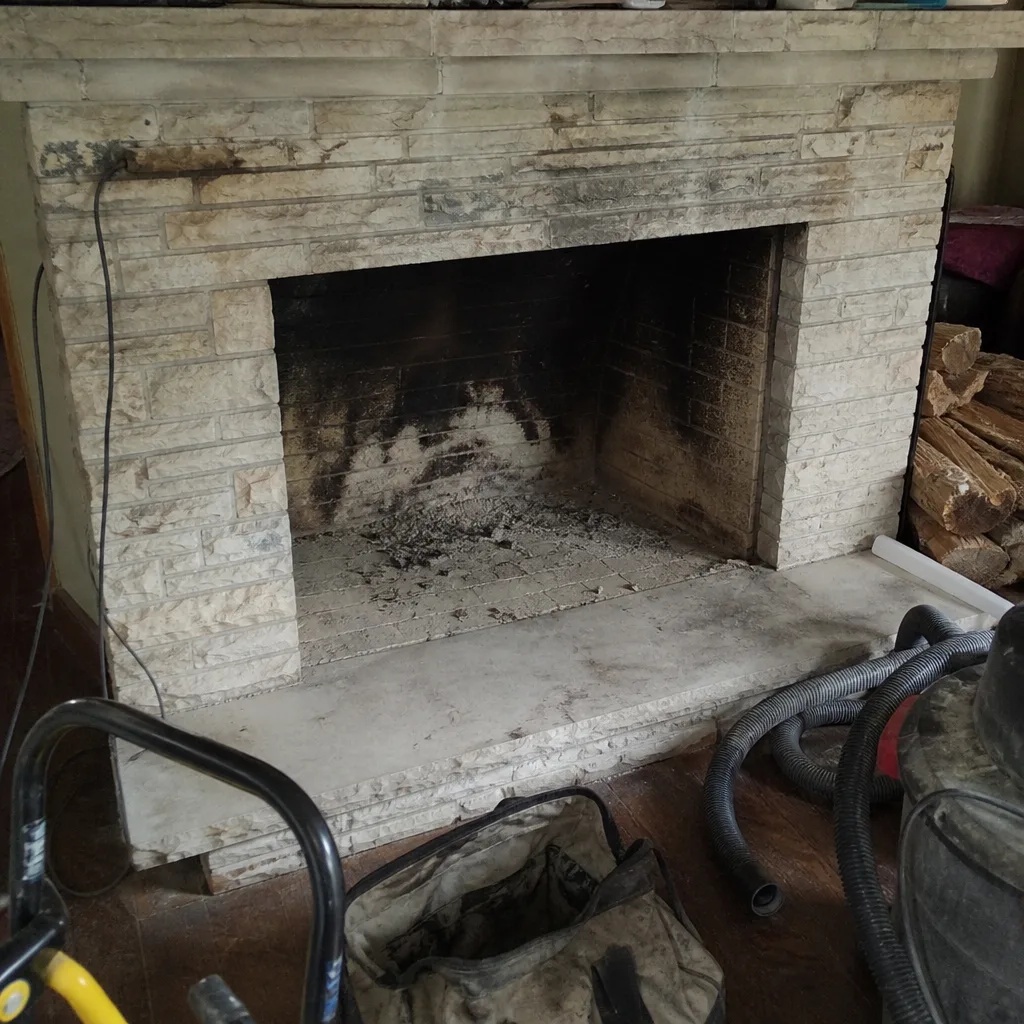
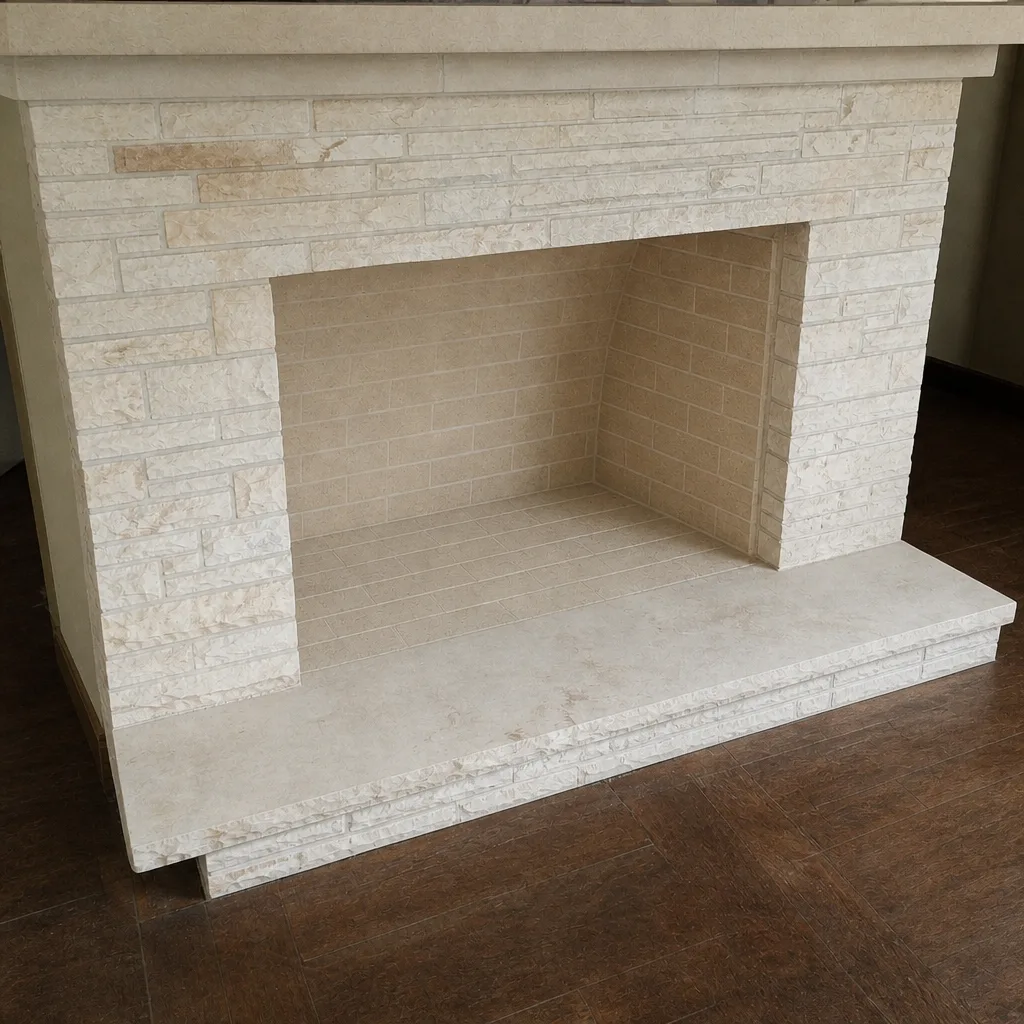
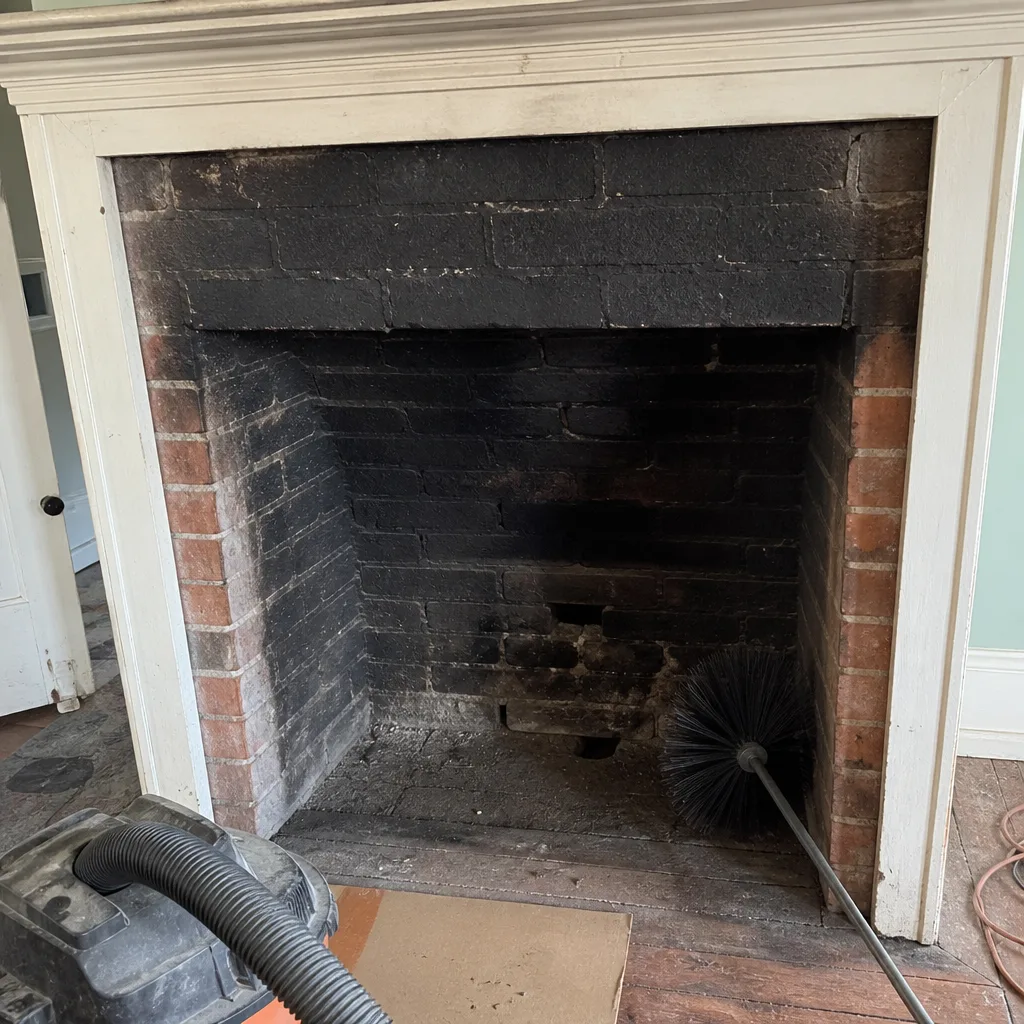 Before
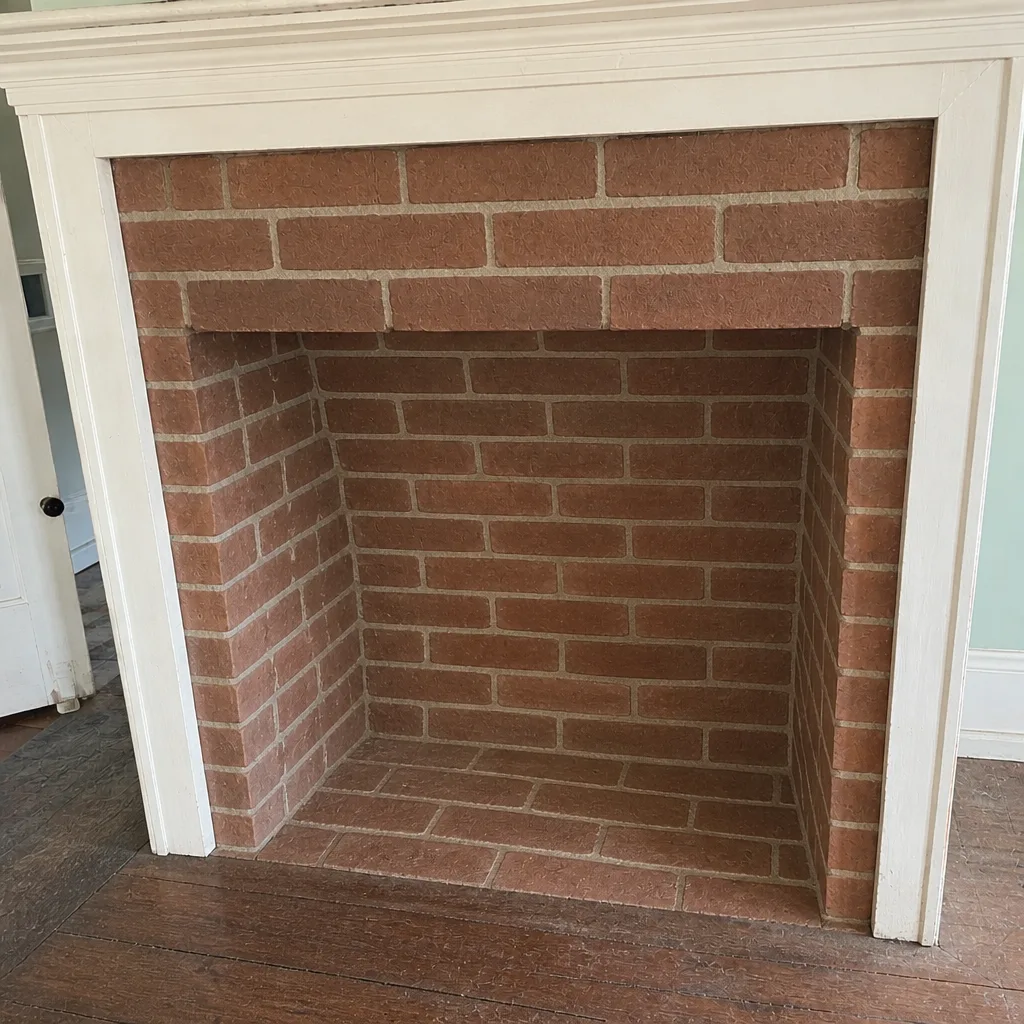 After
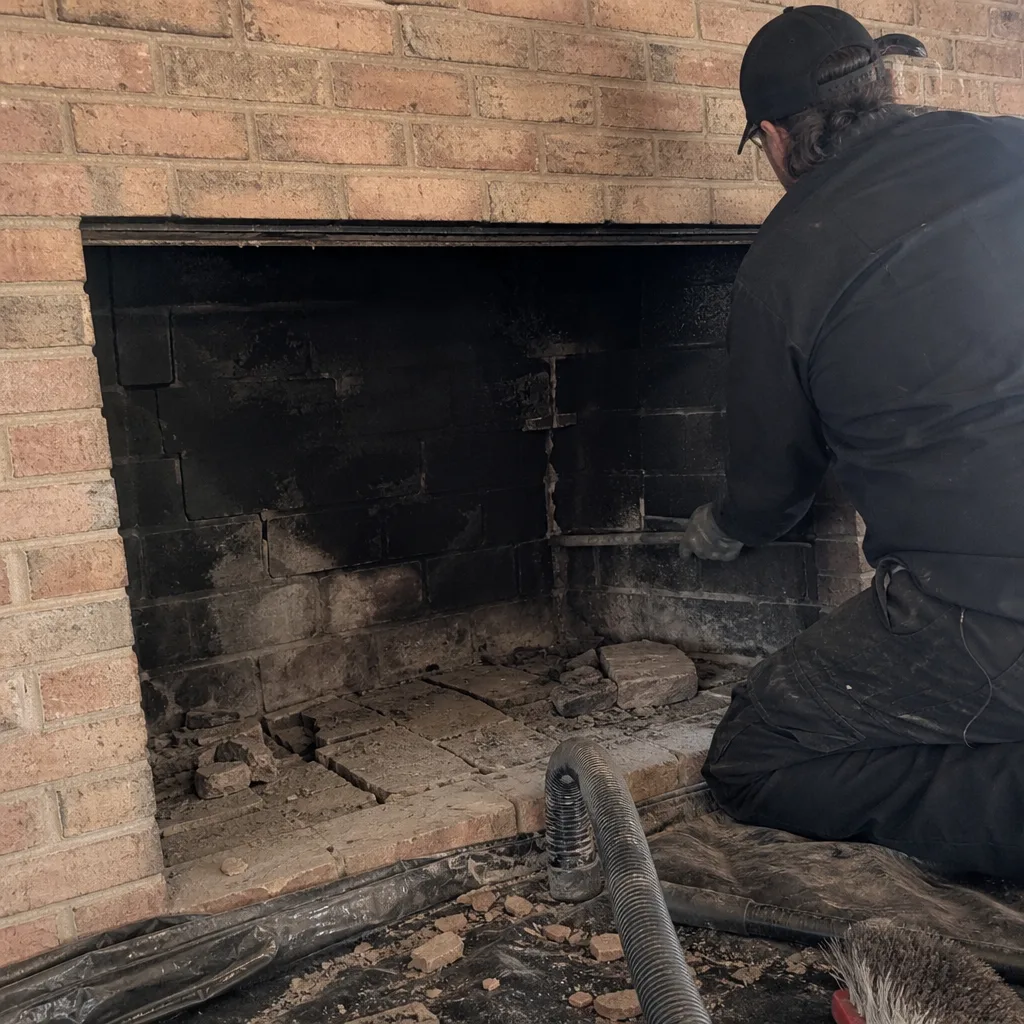 Before
 After
 Before
 After
When to Call a Professional
Call a professional when the warning signs move past the visual and into the physical: smoke in the room, a creosote smell year-round, a crack at the chimney base or roof line, or a fireplace that used to draft well and doesn’t anymore. Call sooner if you’ve burned a full season without a sweep, if you’ve had any carbon monoxide alarm, or if you’ve had a chimney fire, even a small one. Chimney fires are often quiet and self-extinguishing, and they leave behind cracks that only a camera can find. If you bought a South Bend home in the last few years and don’t have a documented inspection, get one before your first fire in the new house. You’ll know exactly what you own. Chimney Sweep South Bend offers free estimates in South Bend. Call (888) 334-4231. We answer 24/7. Fast dispatch from 7am to 7pm, Sunday through Friday, and we’re closed Saturday. Every estimate is free, the price is set per job by a written estimate, and we don’t recommend anything we can’t show you on camera.
Frequently Asked Questions
A creosote smell is sharp, acrid, and campfire-like, and it gets stronger on warm days when the fireplace is cold. A moisture smell is musty, earthy, and often slightly rusty, and it gets worse after rain. Creosote points to a dirty flue; moisture points to water intrusion through the cap, crown, or flashing. Call (888) 334-4231 for an inspection that checks both, since South Bend’s wet springs often bring them together and estimates are free.
Smoke in the room is usually a blockage, a chimney height or cap issue, or a house pressure problem from furnace and exhaust fans running. Try cracking a window near the fireplace on startup; if the smoke clears, it’s a pressure problem, not a blockage. If it happens with a strong fire going, stop burning and call (888) 334-4231 for an inspection. Estimates are free.
Look for dark staining or white powdery efflorescence on the brick, cracks in the concrete crown at the top, spalling brick faces that are flaking off, rusted or lifted flashing at the roof line, and a damaged or missing cap. Walk the roofline once in spring and once in late fall and take photos so you can spot changes between seasons. If you see any of these, call (888) 334-4231 for a free estimate.
Stop if you can see glazed creosote, smoke rolls into the room with the fire going, flue tiles are cracked or missing, or masonry inside the firebox is loose. Stop immediately, too, if a carbon monoxide alarm goes off: leave the house, call the fire department first, then call us. If you’re unsure, stop burning and call (888) 334-4231. Estimates are free.
South Bend’s clay soil holds water against the chimney base and swells when it freezes, which drives heaving and vertical cracks more often here than in sandy-soil markets. The freeze-thaw cycle also opens existing crown and brick cracks wider each winter, so problems that stay minor in stable climates grow faster in northern Indiana. That’s why an exterior check each spring matters. Call (888) 334-4231 for a free estimate.
A sweep is enough when the flue tiles are intact and the creosote layer is light. A liner repair is needed when the flue tiles are cracked, missing, or deteriorated, or when the flue won’t contain combustion gases safely. We can install a DuraFlex flexible liner for a full reline, or apply HeatShield ceramic resurfacing when the damage allows a repair without replacement. You’ll see the camera evidence before you agree to anything. Call (888) 334-4231 for a free estimate.
The Bottom Line
The earliest chimney warning signs aren’t smoke and soot, they’re odor, draft behavior, and the exterior brick. A creosote smell that returns on warm days points to the flue. A musty smell points to water. Smoke on startup points to blockage, height, or house pressure. Exterior staining, crown cracks, and spalling brick point to the freeze-thaw cycle that hits South Bend harder than most markets. Sort your signs into “stop now” and “schedule soon,” and you’ll know which problems are a cleaning and which are a repair. If you’re not sure, that’s the signal to book an inspection, and the best time to book is before the first cold snap. From inspection to repair, handled by the same specialist, in one call.
Have a warning sign you’re not sure about? Call Chimney Sweep South Bend at (888) 334-4231 for a free estimate. We answer 24/7. Fast dispatch from 7am to 7pm, Sunday through Friday, closed Saturday.
For more detail on the services mentioned in this guide, start with Chimney Sweep South Bend.
Written by the team at Chimney Sweep South Bend.