
Last updated November 15, 2026
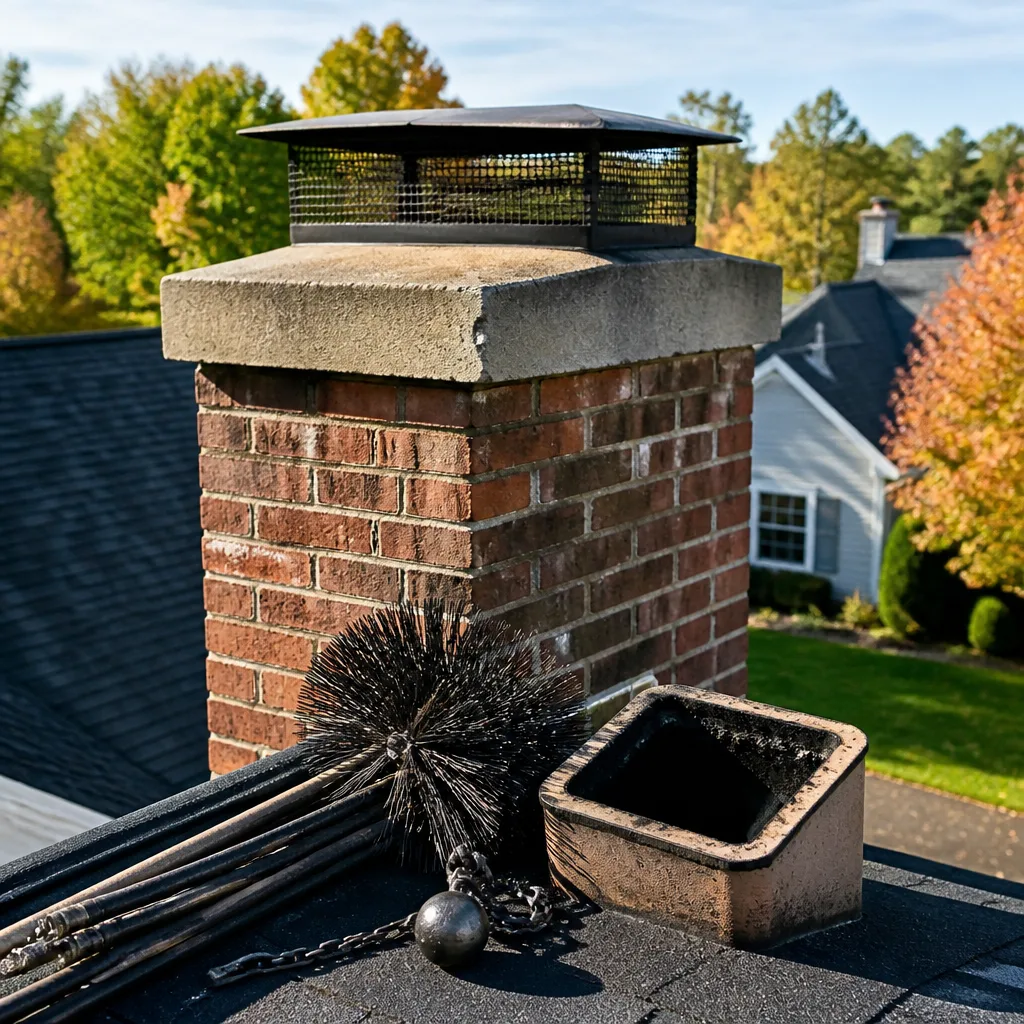 Sweep & inspection
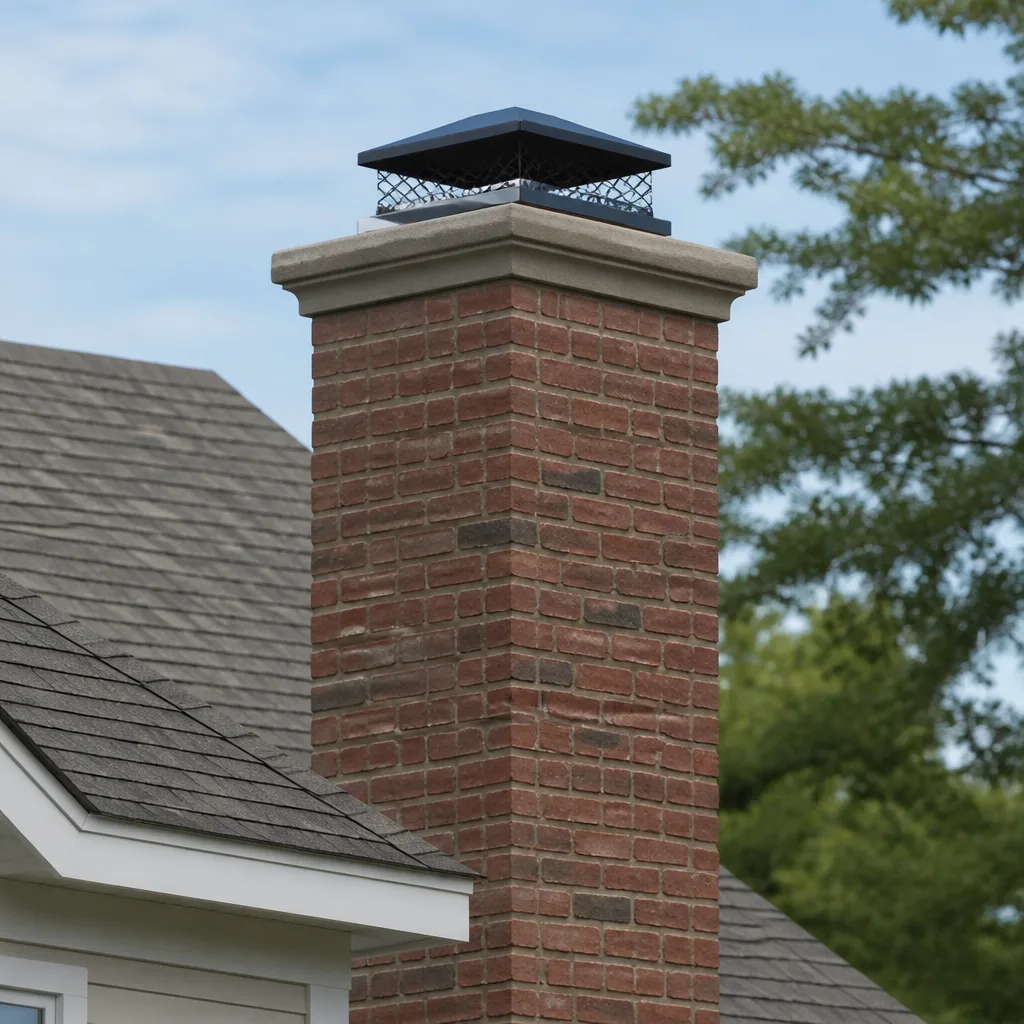 Caps & crowns
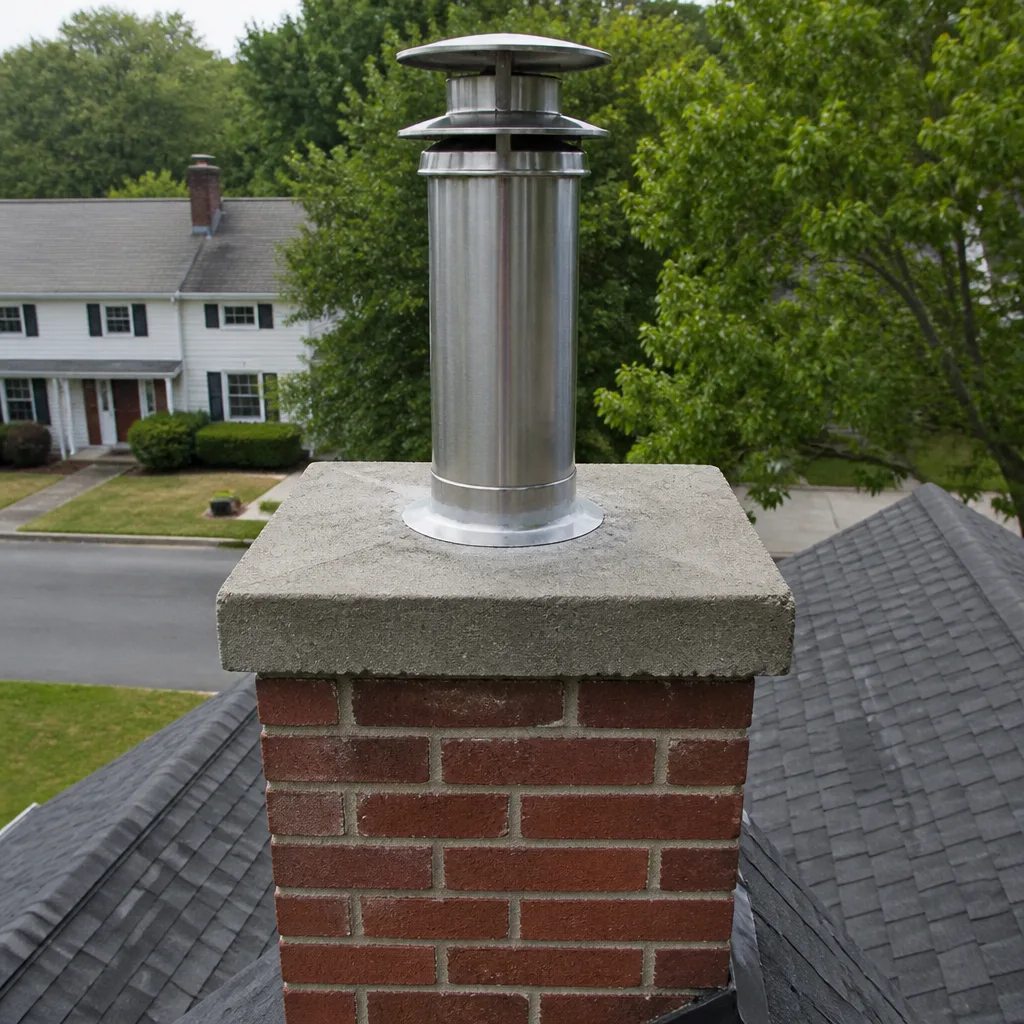 Flue relining
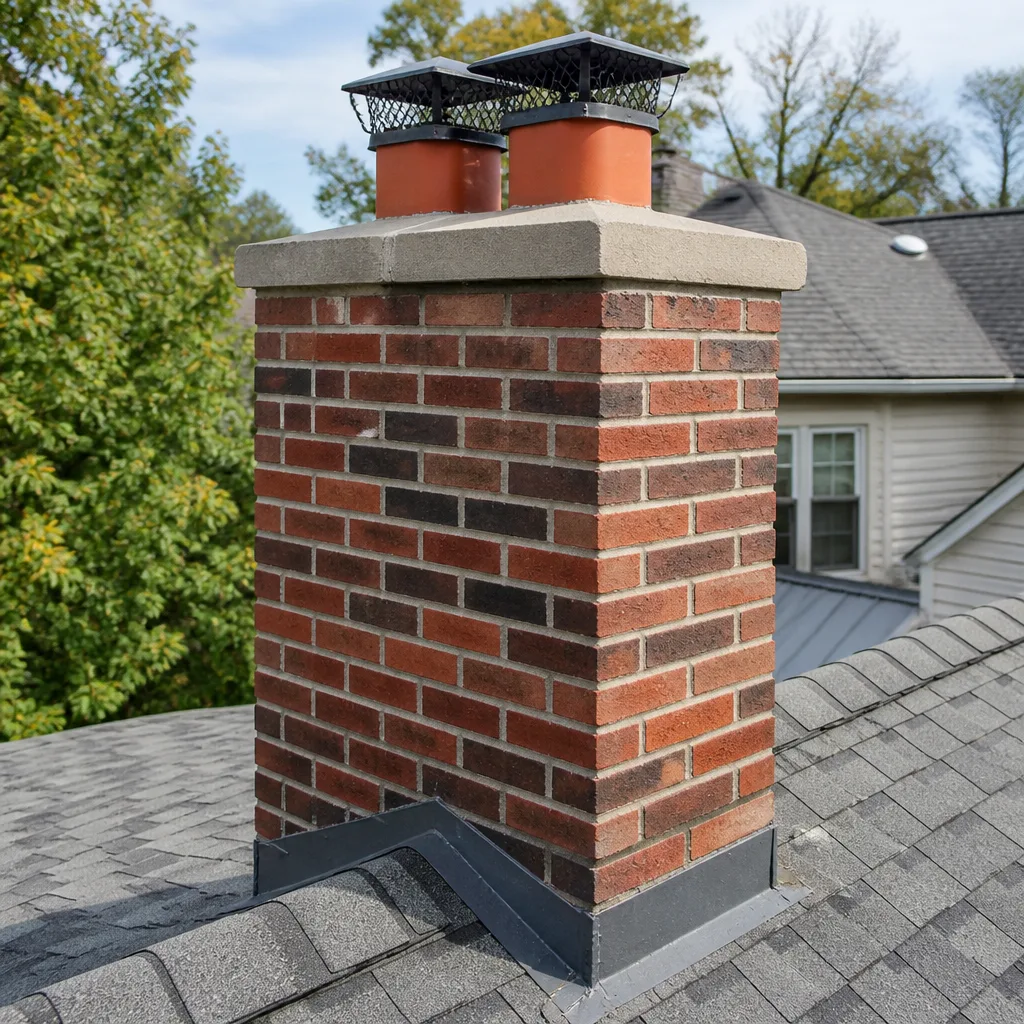 Masonry repair
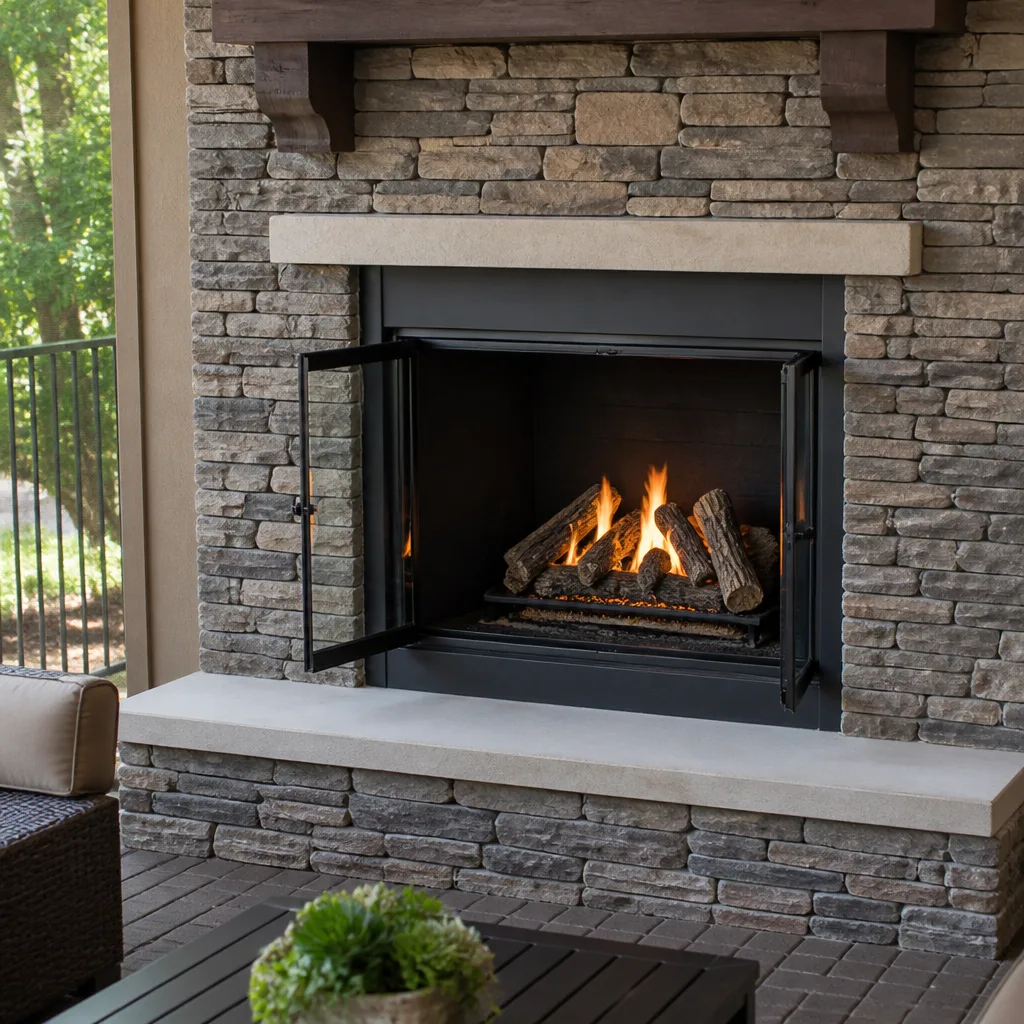 Gas fireplace service
Level 1 sweep and inspection to the NFPA 211 annual standard - flue, crown, cap, and flashing checked and photographed
Chimney sweep logs do not sweep chimneys. They loosen some creosote - which then falls where a brush and vacuum still have to collect it.
Choosing the Right Chimney Cleaning Brand: A Buyer’s Guide for South Bend
There’s no such thing as a generic chimney liner. What goes into your flue has a manufacturer, a performance rating, and a warranty, and if your contractor can’t tell you all three, that’s a problem. Most homeowners never learn what brand of liner, cap, or sealant was installed in their chimney. They find out only when something fails early, and by then the invoice is gone and no one can say what product went in or whether it carried coverage. This guide names the brands that actually matter in this trade, explains why so many chimney companies don’t stock them, and shows you how to verify what’s really behind a South Bend estimate before you sign it.
Quick Answer
The right chimney brand is the one your contractor can name, document, and register with the manufacturer: professional-grade liner and resurfacing systems like DuraFlex and HeatShield, and component lines like Olympia Chimney and Gelco for caps and covers. Builder-grade substitutes look similar on the outside but skip the rating and warranty that protect you when a flue fails. Ask for the brand, the model, and the warranty paperwork before any work begins in South Bend.
Styles & brands we work with
- Sweep & inspection
- Caps & crowns
- Flue relining
- Masonry repair
- Gas fireplace service
Table of Contents
- Why chimney brands matter more than most homeowners realize
- Professional-grade brands versus builder-grade substitutes
- Why most chimney companies don’t stock professional brands
- How to verify the product matches your invoice
- How South Bend’s climate tests chimney materials
- Questions to ask before signing an estimate
- Matching the brand to the service: sweep, inspect, repair
Why chimney brands matter more than most homeowners realize
A chimney is a system of separate manufactured parts, and every one of them has a maker. The liner inside your flue, the cap on top, the crown seal, the mortar and resurfacing material, even the flashing around the chimney base: all of it was produced by a company with a spec sheet and a warranty. When a repair is done with a named, professional-grade product, you get a traceable paper trail. When it’s done with a generic substitute, you get a part that may work fine for a few years and then leave you with no recourse.
We’ve seen this play out in South Bend more than anywhere else, because the seasons here work materials hard. A product that carries a manufacturer’s warranty and an installation spec is a product someone stands behind if it fails. A product with no label is just a part that happened to fit.
Here’s the practical difference. A branded liner comes with a documented diameter, a listed material grade, and a stated temperature rating. A branded cap comes with a known alloy or coating and a corrosion rating. That information matters most when something goes wrong, because it lets a specialist diagnose why it failed and whether the failure is covered.
For most homeowners, the takeaway is simple: every part of a chimney repair should have a name attached. If your estimate lists “liner” or “cap” without a manufacturer, that’s worth questioning before work starts.
Professional-grade brands versus builder-grade substitutes
The gap between a professional chimney product and a builder-grade one isn’t cosmetic. It’s in the material spec, the testing, and the paper trail. Builder-grade parts are made to hit a price point during original construction. Professional-grade parts are made to survive decades of heat cycling, moisture, and freeze-thaw movement, and the difference shows up in the details.
Here’s how the two tiers compare in practice:
- Material spec: Professional products publish their alloy, coating thickness, and temperature rating. Builder-grade parts often don’t.
- Testing: Professional liner and resurfacing systems are tested to recognized chimney industry standards. Builder-grade parts meet the bare minimum, if that.
- Warranty: Professional products carry a manufacturer’s warranty tied to correct installation. Builder-grade parts usually carry none or a short retail guarantee.
- Traceability: Professional products have batch labels and registration. Generic parts are unlabeled.
- Availability: Professional brands are sold through trade supply lines, not the big-box aisle.
In South Bend, the most common professional brands we work with in liner, cap, and resurfacing jobs are DuraFlex for flexible liner systems, HeatShield for ceramic flue resurfacing, and Olympia Chimney and Gelco for caps, covers, and structural components. Each one is a made-to-spec product with its own documentation, and each one behaves differently depending on what your flue actually needs.
The distinction matters most on the liner and cap. A builder-grade cap may look identical to a professional one from the ground, but the alloy and coating determine how fast it corrodes in a wet climate. Over years, that’s the difference between a cap that outlasts the chimney and one that fails before it.
Why most chimney companies don’t stock professional brands
If professional-grade products are so much better, why doesn’t every chimney company use them? The honest answer comes down to three things: supply chain relationships, training requirements, and installer certification. Getting access to a professional brand isn’t hard, but staying set up to install it correctly is.
Here’s what’s actually involved:
- Trade account setup: Professional supply lines like Olympia Chimney and Copperfield serve the trade, not walk-in retail. A company has to establish a real relationship to source their products.
- Training and certification: Some product systems require training before a company can install them. HeatShield ceramic resurfacing, for example, is a trained application. A company without that training can’t apply it correctly, and often shouldn’t try.
- Inventory commitment: Stocking professional caps and covers in the sizes and finishes that actually fit a job means committing to a product line. A company doing occasional repairs can’t justify that.
- Application knowledge: A flexible liner system like DuraFlex isn’t a plug-and-play part. Sizing, insulation, and termination all depend on your flue, and getting it wrong wastes the product.
- Warranty administration: Registering a professional product requires the company to have documentation systems in place, so the customer actually gets the manufacturer’s coverage.
The result is a market where the easiest path is to work with whatever’s available locally, which often means a hardware-store workaround or a builder-grade substitute. That’s not always malicious. Sometimes it’s just how a cleaning-only operation is set up.
But it does mean you should ask questions. If a contractor can’t explain where their caps, liners, or sealants come from, the answer is usually that there’s no real supply relationship behind them. In South Bend, that gap shows up fastest on repair jobs, because repair is where the product quality actually determines how long the fix lasts.
How to verify the product matches your invoice
Even when a contractor names a brand, the name on the estimate isn’t proof of what went into the flue. Verification comes down to the product label, the warranty documentation, and the manufacturer registration, and you have a right to all three. The process is straightforward if you set expectations before work begins.
Here’s how to check:
- Ask for the brand and model on the written estimate. A real professional estimate names the product, not just the category. “DuraFlex liner, 6-inch” tells you something. “Chimney liner” doesn’t.
- Ask to see the product label after installation. Professional products carry a manufacturer label with the brand and spec. If the label isn’t there, ask why.
- Request the manufacturer warranty paperwork. A professional product comes with a written manufacturer warranty tied to correct installation. You should leave with it in hand.
- Confirm registration. Many manufacturers require the installer to register the product. Ask who handles it and get confirmation in writing.
- Photograph the install. Take a photo of the finished part, including any visible label, to keep with your records.
- Keep the paperwork with the house. When a future buyer inspects the chimney, that documentation is what backs up the repair.
We’ve seen this same workflow become a real selling point when a South Bend home goes on the market. A documented liner and cap with a named manufacturer is easy to explain to an inspector. A generic install is a question mark.
If a contractor can’t produce the label or warranty, that’s the answer. The product is probably not what it was described as.
How South Bend’s climate tests chimney materials
South Bend’s climate is hard on chimney exteriors because the freeze-thaw cycle here is long and repetitive. Snow melt during a warm afternoon and a hard freeze that night is common, and each cycle pushes water into cracks in masonry, crowns, and caps. The chimney exterior expands and contracts, mortar joints weaken, and anything with a weak corrosion rating starts to fail. That’s why brand choice matters more here than in a mild climate.
Here’s how the professional brands we work with tend to map onto South Bend’s conditions:
- Flexible liner systems like DuraFlex: The key is how the material handles thermal cycling. Flexible liner systems are designed to absorb the small movements of a flue under heat, and their spec sheets say how.
- HeatShield ceramic resurfacing: When a flue is deteriorating but still structurally sound, resurfacing with HeatShield can restore the interior surface without replacing the entire liner. It’s a cost-saving option that only exists if the technician is trained to apply it.
- Olympia Chimney caps and covers: The cap is your first defense against freezing rain and snow entering the flue. A cap with a real coating spec lasts longer than builder-grade, which means fewer freeze-thaw cycles reaching the liner.
- Gelco components: Structural components are where the smallest brand differences add up. Gelco parts are made for the trade, not retail, which means the fit and material match the job.
Lake-effect moisture in the South Bend area puts extra demand on caps and crown seals, because it sits longer and drives deeper into seams. Look for a cap with a documented coating and a manufacturer warranty, and ask how the sealant around it is rated for exterior moisture.
None of this is about buying the most expensive product. It’s about matching the product to the climate. A liner spec that works in a dry climate may fail faster in South Bend, and the manufacturer’s spec sheet is where that gets settled.
Questions to ask before signing an estimate
The right questions get honest answers out of good contractors and vague answers out of bad ones. Before you sign anything, ask these five questions directly and listen to how the answer is framed. A contractor who has real supply relationships and pays attention to material sourcing will answer with specifics. A contractor without them will retreat to general words.
Here’s what to ask:
- What brand and model will be installed? You want a name and a specific part number, not a category. “DuraFlex” or “HeatShield” is an answer. “A standard liner” isn’t.
- Where do you source your caps and covers? A real answer will name the supply line (Olympia Chimney, Copperfield, Gelco) and describe the relationship.
- Is this a professional-grade product or a builder-grade one? A confident answer will explain the difference. A defensive answer tells you something too.
- Will I get the manufacturer warranty paperwork when the job is done? If the answer is yes, you should expect to hold the paperwork. If the answer is “we warranty the work ourselves,” that’s usually a retail substitute.
- Who registers the product? Registration ties the warranty to your home. It’s a documented step in the job, not an afterthought.
Vague answers are information. If the response to “what brand?” is “we use the best materials,” that’s not an answer, and it likely reflects a company that sources from whatever retail option happens to be available. The same goes for “we use whatever the job calls for.” A specialty contractor should know exactly which product line they’re installing and why.
We’ve seen this work well in South Bend because a homeowner who asks these five questions is hard to mislead. The answers expose the supply chain either way.
Matching the brand to the service: sweep, inspect, repair
The three core chimney services call for very different conversations about brand. Sweeping is about the process and the equipment. Inspection is about the tools and the evidence. Repair is where the brand portfolio actually matters, because that’s when a product goes into your home. The right company handles all three under one roof, so the person who finds the problem is the person who fixes it.
Here’s how the brand conversation shifts across the three services:
- Sweep: No product is installed, but the sweep reveals what’s in the flue. A sweep is where you learn what brand of liner is already there, if any, and what condition it’s in. That’s the starting point for any repair conversation. Our chimney sweep service handles this, and the camera view tells you what you’re actually dealing with.
- Inspection: The inspection is a safety and code assessment, and its value is in the evidence. A real inspection with a camera shows you the flue interior, documented. If a repair is recommended, it’s about what the camera showed, not what the contractor guessed.
- Repair: This is where DuraFlex, HeatShield, Olympia Chimney, Gelco, and the other professional brands come in. The repair is the product decision, and it’s where a company with a real supply relationship looks different from a general maintenance shop. Our chimney repair service handles this with professional-grade materials.
The reason it matters to keep all three at one company is the hand-off problem. An inspection-only provider sends the repair to someone else. A cleaning-only provider cleans and leaves. When the same specialist who cleans and inspects also repairs, the brand conversation stays honest, because the person recommending the product has to install it. If you’re looking at your South Bend home’s chimney and don’t know what’s inside, the right first step is a sweep and inspection from the same team.
The best outcome for most homeowners is that no repair is needed yet. That’s a real answer, and it’s the one a specialist with a trained eye and a camera should give when the evidence supports it.
Common Mistakes to Avoid
- Accepting an estimate with no brand name on it. “Chimney liner” and “cap” are categories, not products. An estimate without a manufacturer is an estimate you can’t verify later.
- Letting the contractor leave with the warranty paperwork. The manufacturer warranty is written for the homeowner. If you don’t hold it, you don’t have it.
- Assuming a cheaper repair is the same repair. Builder-grade parts look the same from the driveway. In South Bend’s freeze-thaw cycles, the material spec is what determines how long the fix holds.
- Using a cleaning-only provider for a repair. When the same company cleans, inspects, and repairs, the recommendation is grounded in what they’ll have to install. When it’s split, the hand-off gap is where quality slips.
- Skipping the camera inspection to save time. The camera inspection is what turns a guess into a diagnosis. Without it, a repair recommendation is really a sales pitch.
- Taking “we use the best materials” as an answer. It’s not. A professional contractor can name the brand, the model, and the warranty. A vague answer is a supply chain without a real relationship.
- Ignoring the cap because the flue looked fine inside. In South Bend’s wet climate, a corroded cap lets moisture into the flue and starts the damage from the top. Cap condition is part of the inspection, not an upsell.
See the difference
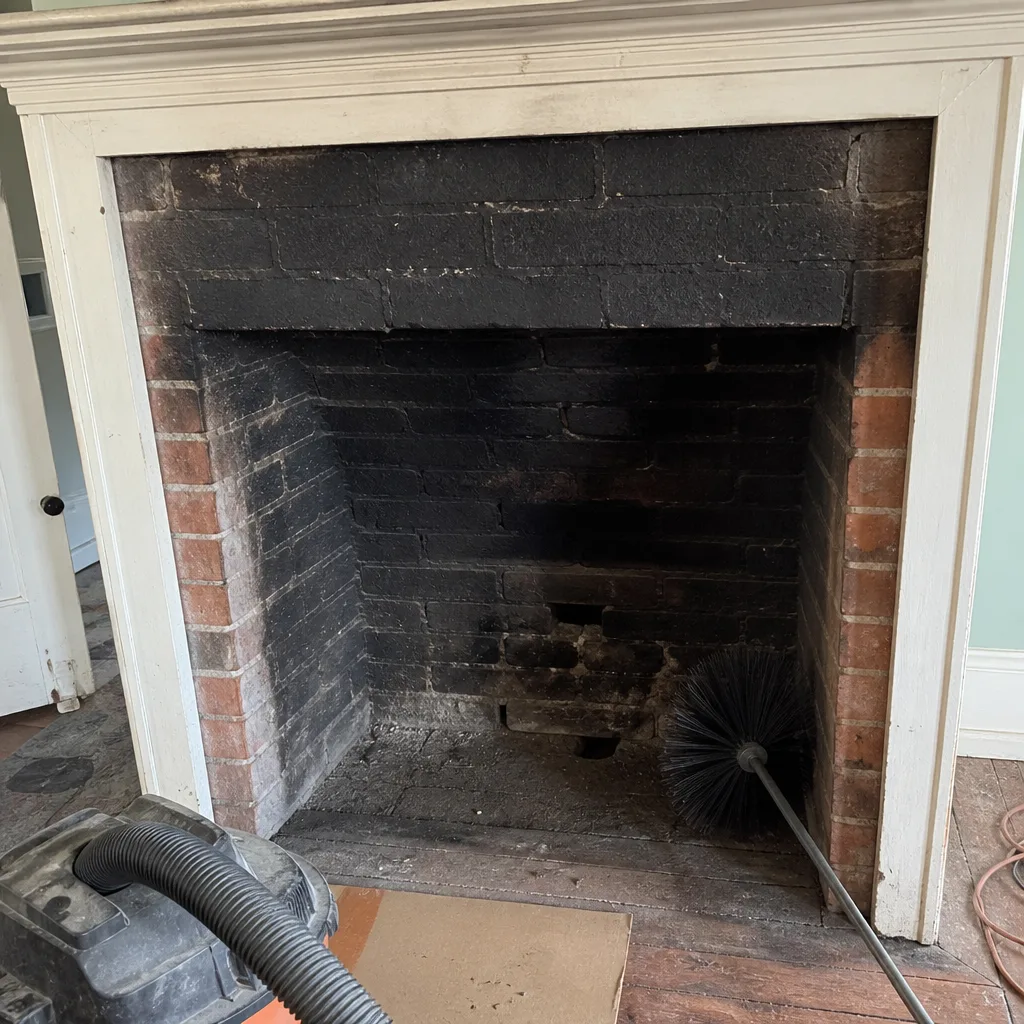 Before
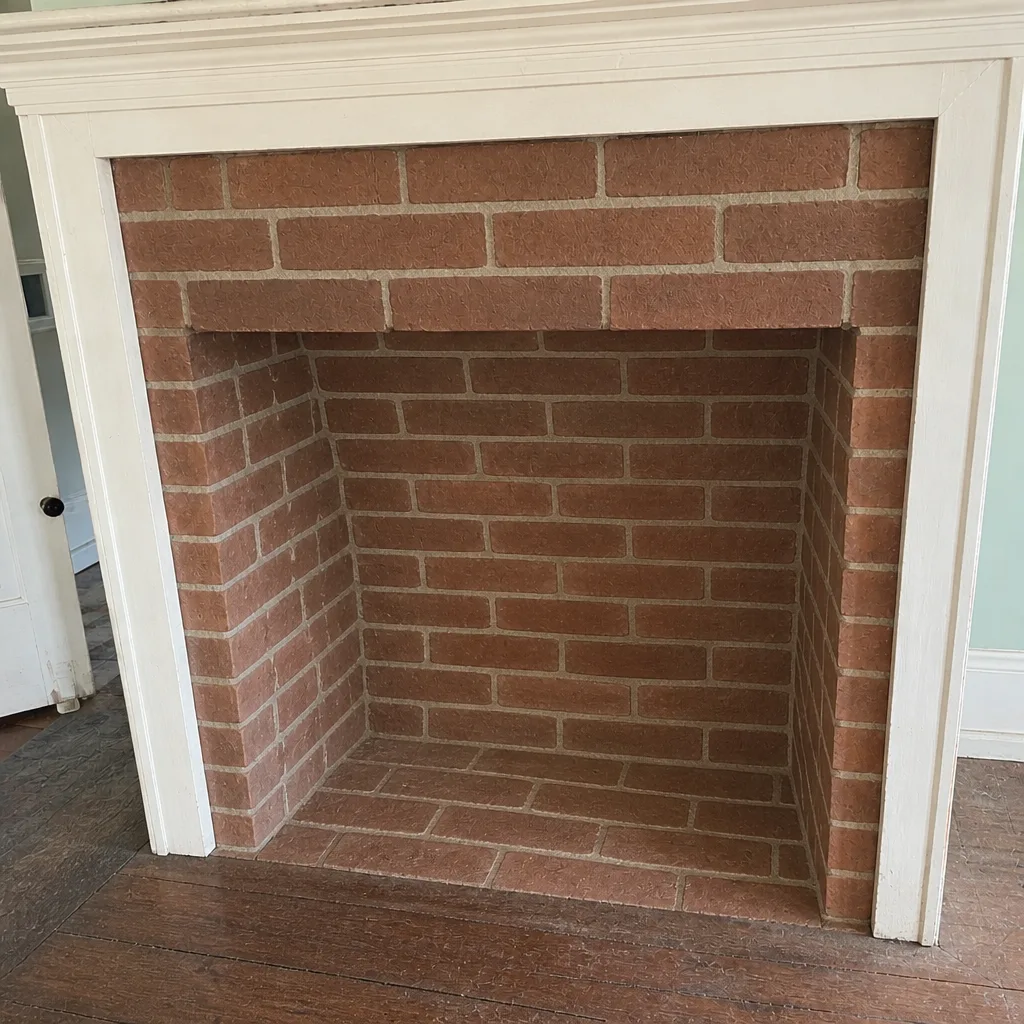 After
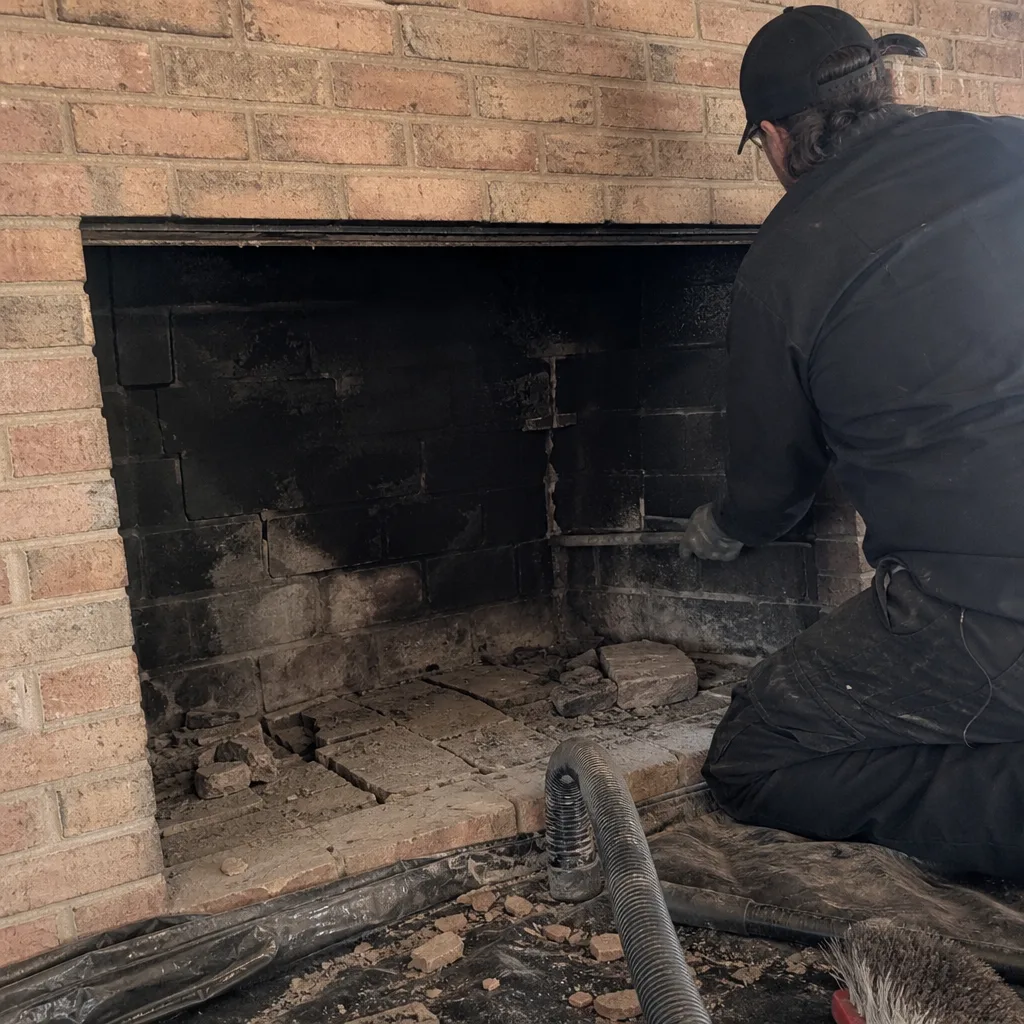 Before
 After
 Before
 After
When to Call a Professional
Call a professional when you don’t know what brand is in your flue, when a past repair has no paperwork, or when a contractor’s answer to “what brand?” is vague. Call when your annual sweep is overdue, when smoke backdrafts or the draft feels wrong, when a cap is missing or visibly corroded, or when you’re buying or selling a home in South Bend and need the chimney assessed by evidence. Call if a prior inspection recommended thousands of dollars of liner or masonry work and no one showed you the camera footage. The camera, the photo report, and to know when the work can safely wait before any estimate is what we bring to the visit. Chimney Sweep South Bend offers free estimates in South Bend: call (888) 334-4231. We answer 24/7. Fast dispatch from 7am to 7pm, Sunday through Friday.
Frequently Asked Questions
A chimney sweep in South Bend is quoted per job, and the written estimate sets the final price before any work is booked. The flat-price sweep is agreed before we arrive, and the camera inspection and photo report are included. Costs come down to flue length, access, and what the camera finds. Call (888) 334-4231 for an exact quote. Estimates are free.
A brand-name liner from a professional supply line carries a manufacturer warranty and a documented spec, and a generic liner usually carries neither. In South Bend’s freeze-thaw climate, that difference shows up in how quickly a flue fails. For a South Bend home, we recommend a professional-grade product like DuraFlex, because the paperwork is the point: when the liner fails, the documentation is what gets it replaced.
A chimney used regularly for wood should be swept once a year, and the sweep is also the check-up where a camera inspection shows the flue interior. In South Bend, that annual visit matters more because the wet season drives moisture into caps and liners. If you’re burning wood and haven’t been swept this year, book one before the burning season starts.
Skipping the sweep lets creosote build up until a chimney fire is possible, and skipping repairs lets moisture and heat degrade the flue further. Both risks start small and stay invisible until the camera shows them. We recommend every recommendation be backed by footage you can see for yourself. Call (888) 334-4231 to schedule a sweep and inspection for your South Bend home and let the camera tell you what’s actually needed.
Sometimes, yes. When the flue is structurally sound but the interior surface is deteriorated, HeatShield ceramic resurfacing can restore it without replacing the entire liner. That’s a real cost-saving option, and it only exists if the technician is trained to apply it. We’ll only recommend it if the camera evidence supports it, and we’ll tell you plainly when the work can safely wait. Call (888) 334-4231 to find out which option applies.
You check three things: the label on the product, the manufacturer warranty paperwork in your hand, and the registration confirmation. A professional installation should give you all three without being asked. If a contractor can’t show you the label or the warranty, treat the invoice as unverified and ask why. Call (888) 334-4231 if you want the paperwork to line up before the work begins.
The Bottom Line
The brand on a chimney repair is not a detail; it’s the thing that determines how long the fix holds and whether you have any recourse when it fails. Professional-grade products from DuraFlex, HeatShield, Olympia Chimney, and Gelco are made to spec, documented, and backed by a manufacturer’s warranty. Builder-grade substitutes look the same from outside and skip the paperwork. In South Bend’s freeze-thaw climate, that paperwork is what protects you. Before you sign any estimate, ask for the brand, the model, and the warranty, and expect a specific answer. If you don’t get one, you’ve learned something useful.
Chimney Sweep South Bend handles sweeping, inspection, and repair under one roof, so the same specialist who finds the problem fixes it with professional-grade materials. For a free estimate, call (888) 334-4231. We answer 24/7. Fast dispatch from 7am to 7pm, Sunday through Friday. Start with our Chimney Sweep South Bend page for the full picture of what we cover.
Written by the team at Chimney Sweep South Bend.