
Last updated November 15, 2026
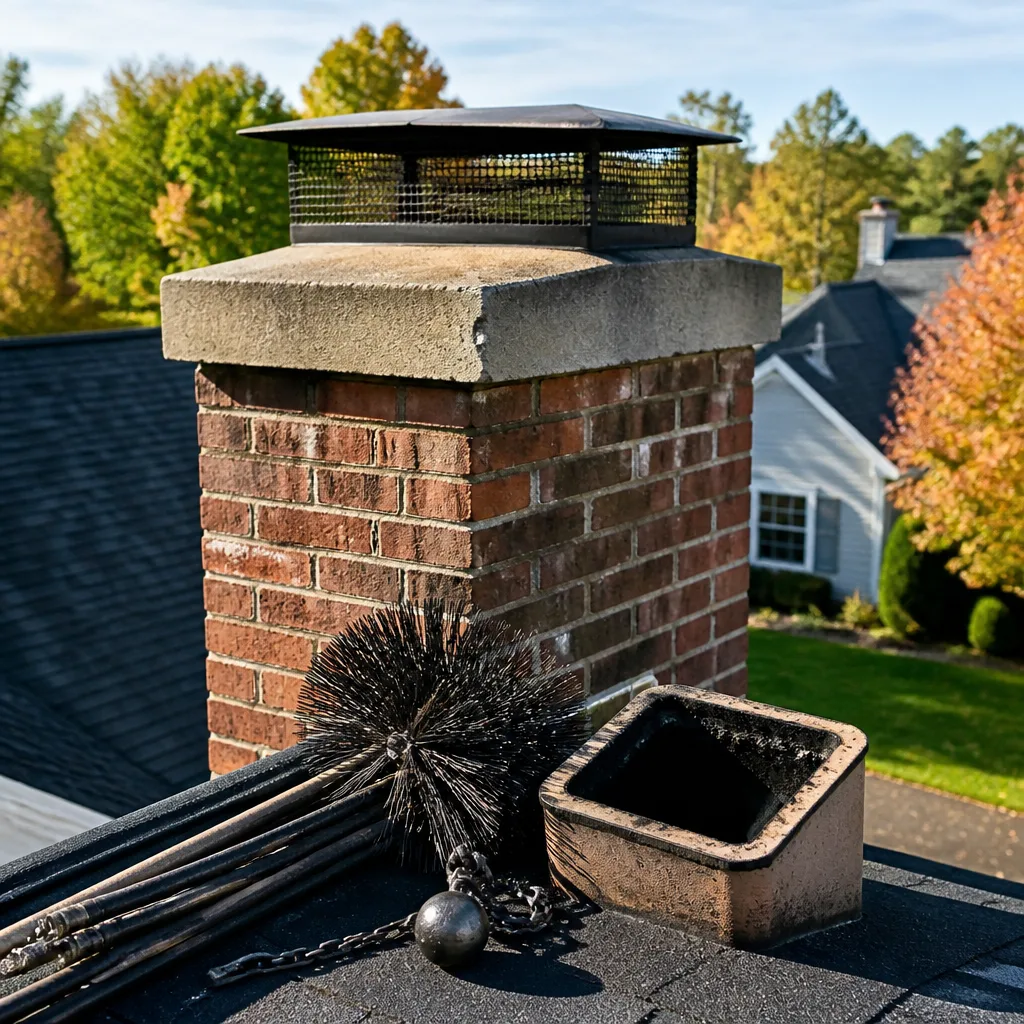 Sweep & inspection
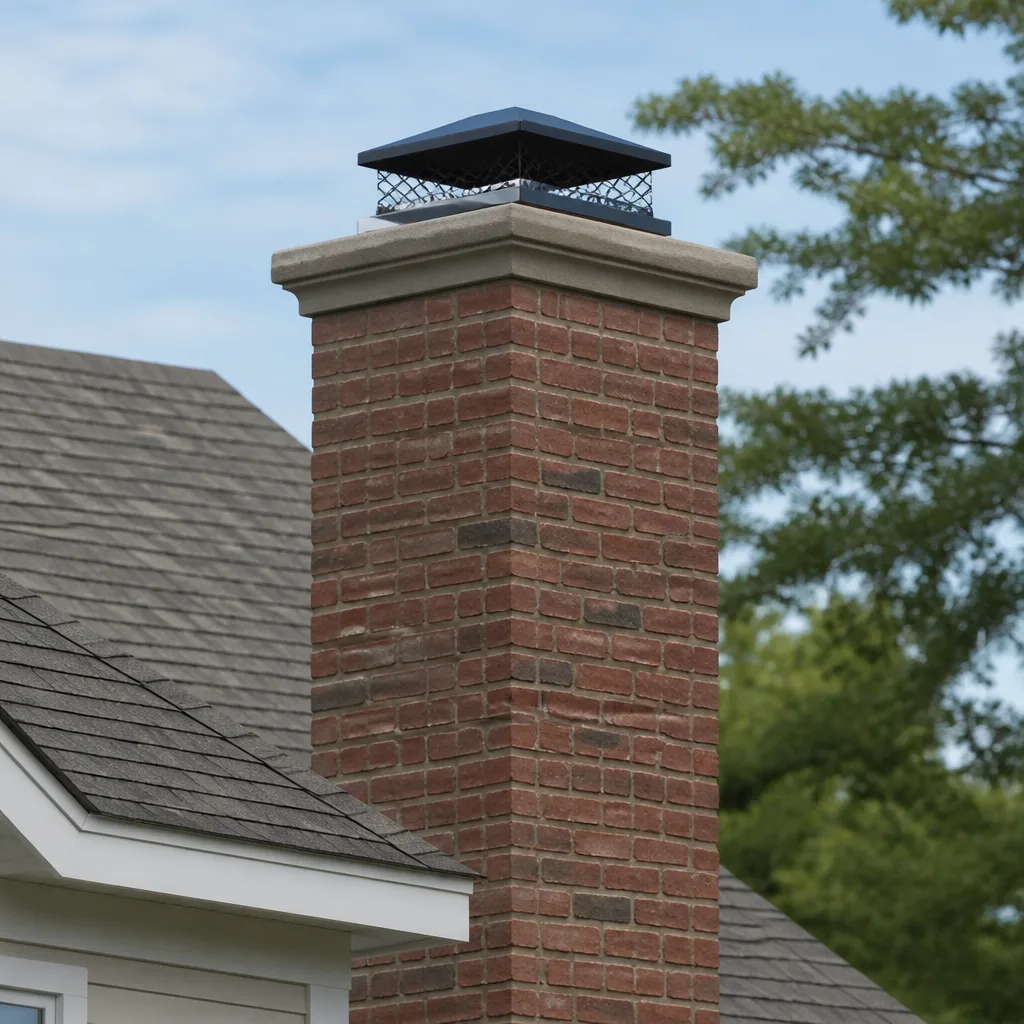 Caps & crowns
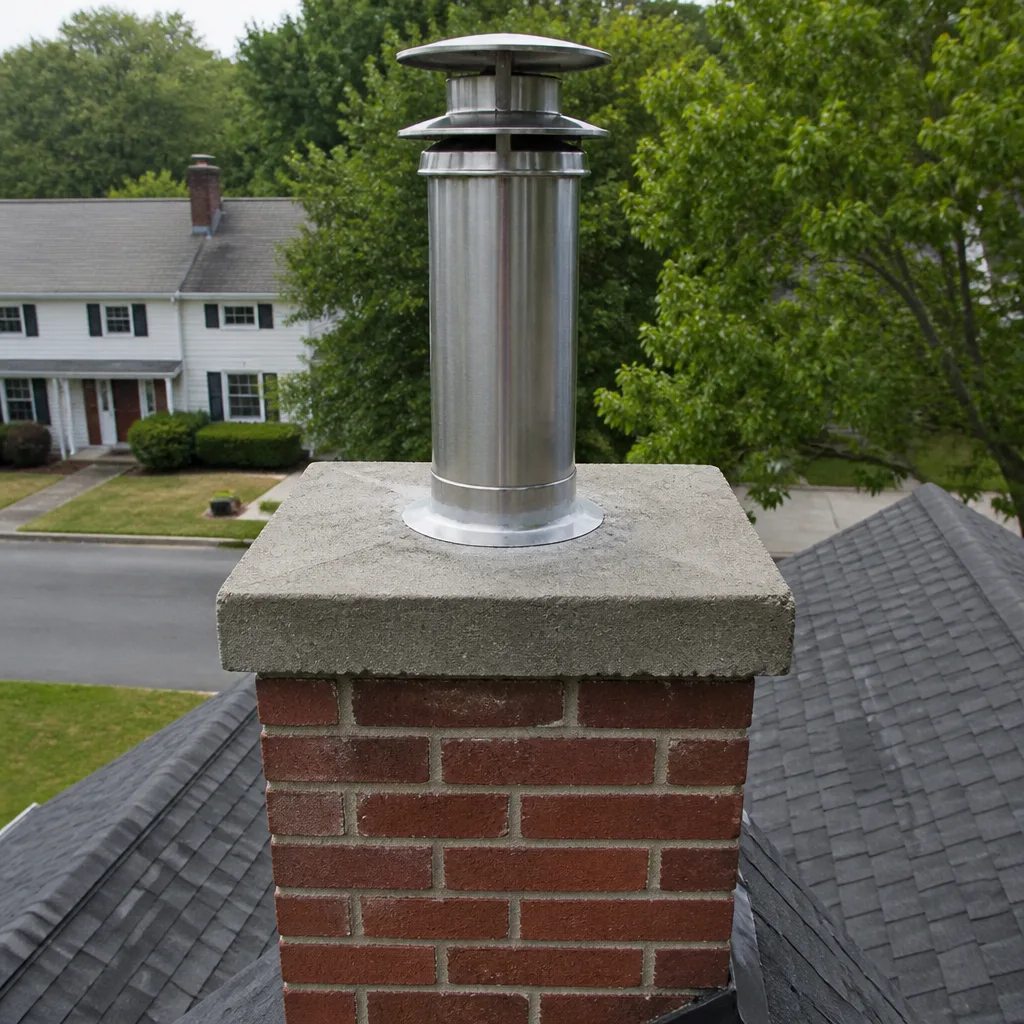 Flue relining
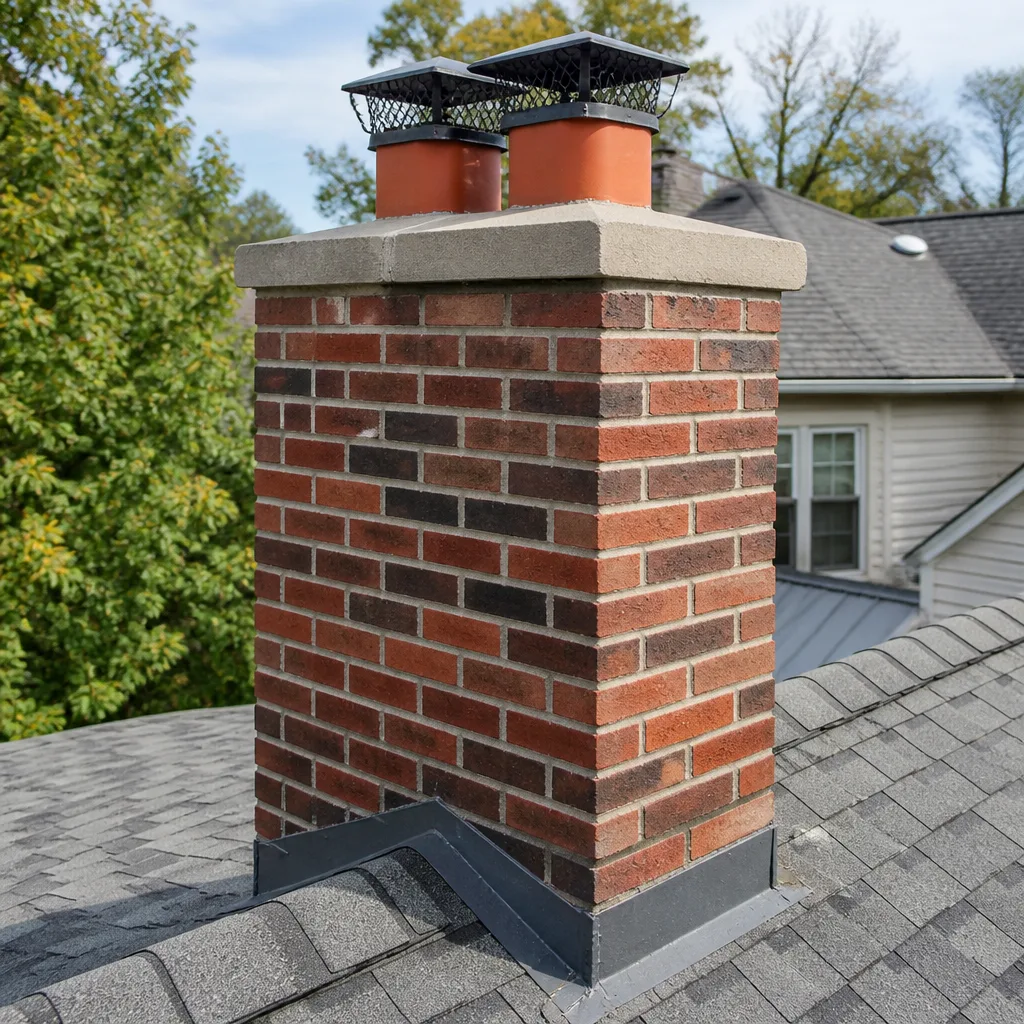 Masonry repair
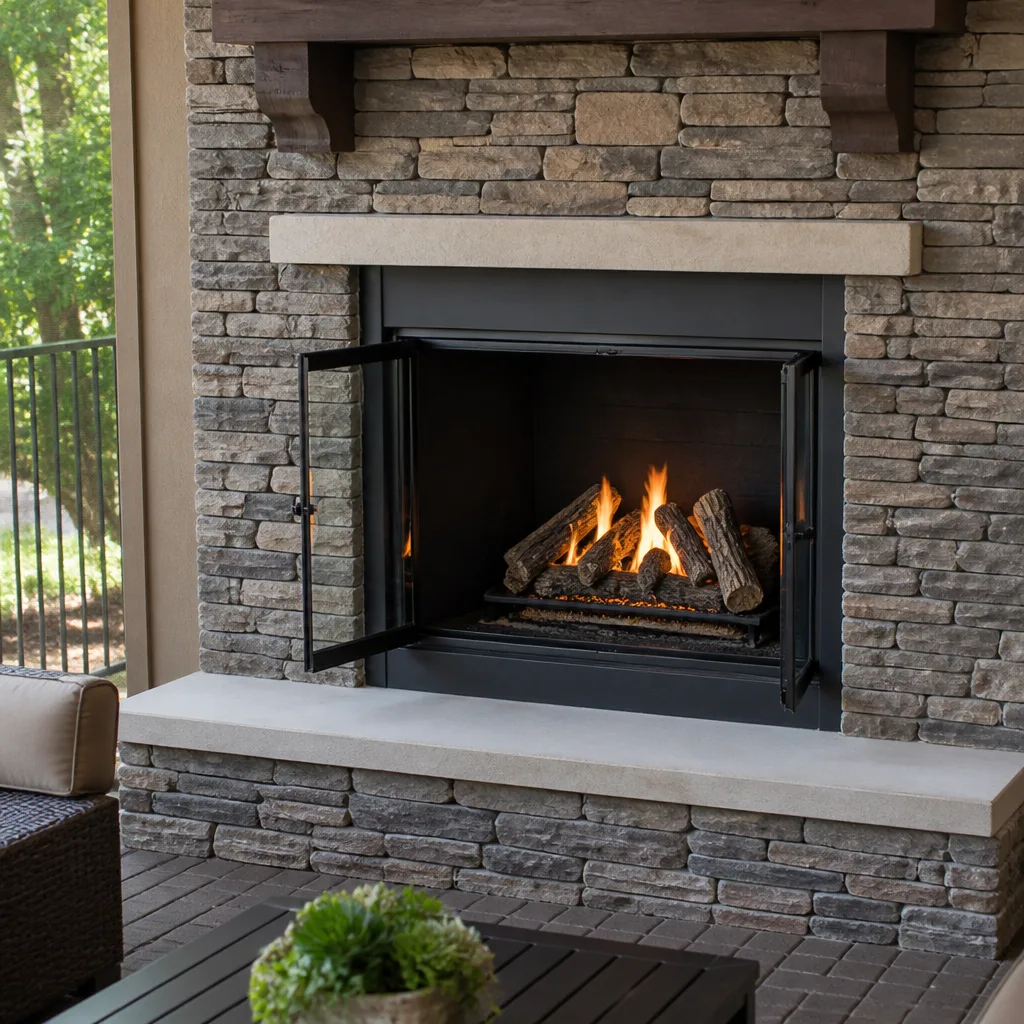 Gas fireplace service
Level 1 sweep and inspection to the NFPA 211 annual standard - flue, crown, cap, and flashing checked and photographed
Chimney sweep logs do not sweep chimneys. They loosen some creosote - which then falls where a brush and vacuum still have to collect it.
How to Hire a Chimney Cleaning Contractor in South Bend: A Step-by-Step Guide
CSIA certification isn’t a gold standard. It’s a minimum floor. That’s the part most hiring guides get wrong. They tell you to check for a certification card and stop there, as if the card answers everything. It doesn’t. The real question isn’t whether your sweep is certified. It’s whether the person holding that card is also equipped to fix what they find inside your flue, or whether they’ll hand you a list of problems and a phone number for somebody else. Anyone with a brush, a ladder and a magnet can print “chimney sweep” on a business card in this state, and no licensing board is going to stop them. What separates a technician from a tradesperson is narrower than you’d think. This guide walks through the credentials that actually matter, the questions that expose a gap in about thirty seconds, and the estimate language that tells you whether a quote is real. If you’re hiring a chimney sweep in South Bend for the first time, this is the frame to bring to the phone call.
Styles & brands we work with
- Sweep & inspection
- Caps & crowns
- Flue relining
- Masonry repair
- Gas fireplace service
Quick Answer
Hire a chimney sweep in South Bend by verifying three things: current certification through a recognized body (CSIA is the baseline, with NFI and NICET covering different ground), a written inspection report with photo or camera evidence you can see yourself, and a written estimate that names the inspection level, the materials by brand and grade, and what’s excluded. The single most reliable filter is whether the contractor can both find and fix the problem in-house, because a sweep-only company that refers repair work out has a built-in incentive to describe the damage in the most alarming terms possible. Ask who does the repair before you book the sweep.
Table of Contents
- Why the Chimney Trade Has Almost No Barrier to Entry
- CSIA, NFI, and NICET: What the Credentials Actually Cover
- The Referral Problem: Why a Sweep-Only Contractor Can Cost You More
- Five Questions That Separate Technicians from Handymen
- What a Legitimate Chimney Estimate Should Include
- Red Flags That Show Up in the South Bend Market
- Why Timing Your Sweep Around South Bend’s Seasons Matters
- Common Mistakes to Avoid
- When to Call a Professional
- Frequently Asked Questions
- The Bottom Line
Why the Chimney Trade Has Almost No Barrier to Entry
Indiana doesn’t license chimney sweeps as a distinct trade. There’s no state exam to sit for, no journeyman card you’re required to hold before you climb a roof and run a brush down someone’s flue. That’s not a knock on Indiana. Most states are the same. The practical result is that “chimney sweep” is a business description, not a protected title. Anybody can adopt it.
What this means for you as a homeowner in South Bend is that the burden of verification sits entirely on your side of the transaction. A van with a ladder on it proves nothing. A website proves nothing. A friendly person in a work shirt proves nothing. This isn’t cynicism; it’s just the structure of a trade with no gatekeeping. Some genuinely excellent technicians operate without a formal certification, and some certified people do sloppy work. The card matters, but it’s a floor, not a ceiling.
The reason certification exists at all is that chimney work has two failure modes that don’t announce themselves. The first is incomplete sweeping – a brush run down the flue that leaves a shelf of creosote at a bend or a glaze layer on the liner liner that the brush skips over. The second is missed structural damage: a cracked flue tile, a deteriorated mortar joint, a cap that’s come loose, a firebox that’s spalling. Neither shows up in a conversation. Both show up in a proper inspection, and both are the reason a sweep who can’t inspect and repair is only doing part of the job.
For a homeowner, the honest starting point is this: assume nothing. The rest of this guide is about replacing assumption with verification, section by section. We’ve seen enough chimney interiors in South Bend to know that what’s visible from the firebox floor and what’s actually in the flue are often two very different stories.
CSIA, NFI, and NICET: What the Credentials Actually Cover
Three credentials get thrown around in the chimney trade, and they don’t mean the same thing. Knowing which one covers what is the difference between asking a smart question and asking a card-check question.
CSIA (Chimney Safety Institute of America)
The CSIA credential is the recognized baseline for chimney sweeps. It covers sweeping technique, the mechanics of creosote and its stages, venting fundamentals, and the standard inspection levels. It’s the one to check first. What CSIA doesn’t cover, in itself, is installation work on specific systems – liner systems, caps, masonry restoration products. So a CSIA card answers “can this person evaluate and clean my chimney safely?” It does not, on its own, answer “can this person correctly install a flexible liner or resurface a damaged flue?”
NFI (National Fireplace Institute)
NFI certification covers hearth appliances – wood stoves, inserts, and gas or pellet systems. If your chimney serves a wood insert or a freestanding stove rather than an open fireplace, an NFI credential on top of CSIA is meaningful, because installing and venting an insert correctly is a different discipline than sweeping a masonry fireplace. If you have an open fireplace and no insert, NFI is nice to see but not the deciding factor.
NICET (National Institute for Certification in Engineering Technologies)
NICET credentials sit closer to the engineering and inspection side. They’re more common among people who do commercial or industrial venting work and inspections. For a residential wood-burning fireplace or insert in South Bend, NICET is a bonus signal, not a requirement. If a contractor leads with NICET instead of CSIA, it’s worth asking what the credential was actually earned in.
Here’s the honest summary. CSIA is the number to check first. NFI matters if you have an insert or stove. NICET matters mostly in commercial contexts. None of the three, by itself, tells you the contractor uses professional-grade materials or holds the manufacturer-level authorization to apply a resurfacing system or install a liner. That’s a separate question, and it’s the one most homeowners never think to ask.
Our technicians hold current certification and have up to 10 years of experience, and we’re set up to both find and fix what we find. Which brings up the next issue.
The Referral Problem: Why a Sweep-Only Contractor Can Cost You More
A company that only sweeps and refers repair work to someone else has a structural problem, and it’s not about their honesty as individuals. It’s about incentives. When a sweep finds a defect, the sweep-only operator has two options: hand you a report and a phone number, or hand you an alarming story and then hand you a phone number. The second behavior tends to win over time, because it produces grateful phone calls from the referral partner. Even when the operator means well, the structure creates pressure to describe damage more seriously than it is.
The flip side is a company that sweeps, inspects, and repairs under one roof. The same specialist who runs the camera down your flue is the one who quotes the repair and the one who does the repair. That’s a cleaner incentive, because the reputation follows the work rather than a referral. It also eliminates the hand-off gap, where a repair contractor arrives weeks later, sees the flue for the first time, and discovers that the recommended fix doesn’t quite match what’s actually there.
This doesn’t mean every integrated company is honest, or every sweep-only operator is pushing unnecessary work. Plenty of small operators are scrupulously honest and turn away repairs they can’t do. What it does mean is that a homeowner should ask the question before booking: who does the repair? If the answer is “we refer that out,” then factor that into how you weigh whatever report you get. If the answer is “we do, and here’s the kind of work we do,” then you’ve got a genuine one-stop relationship and a much shorter chain of accountability.
In our experience, the conversations that go best are the ones where the homeowner can see camera footage of the exact issue in their own flue and then decide. Nothing gets recommended without visual evidence. Work that can safely wait gets described as work that can safely wait, because a chimney issue that isn’t urgent today is a project to schedule, not a fire to put out. If you want the full context on what a proper sweep and inspection actually includes, our chimney sweep page lays out the process.
Five Questions That Separate Technicians from Handymen
Ask these in the phone call before booking. The answers won’t tell you everything, but they’ll filter a lot. A competent technician will answer them without hesitation and often expand. A handyman posing as a chimney professional will stall, pivot, or give a one-word answer that doesn’t quite land.
- “What level inspection do you perform, and will I get a written report?” The answer should name a level – Level 1, 2, or 3 – and confirm a written report with photos or camera footage. If the answer is “we just sweep and tell you what we see,” that’s a cleaning service, not an inspection.
- “Do you use a camera, and can I see the footage?” A camera inspection is the difference between guessing and knowing. Any technician can run a brush. Running a camera into the flue and showing you the footage is what turns a sweeping visit into diagnostic work.
- “Who does the repair if something needs fixing?” Listen for whether the answer is “we do” or “we refer that out.” There’s no wrong answer, but you need to know which one you’re getting before you decide how to weight the findings.
- “What’s your certification, and which body issued it?” A good answer names CSIA first. If the answer is vague (“I’m certified” with no body named), ask again. If the answer doesn’t name an actual certifying organization, that’s your answer.
- “What products or brands do you install, and what are they made of?” This is the question that separates a trade professional from a general handyman. A real chimney specialist will name specific professional-grade products and can explain why one is used for one situation and another for a different one. A handyman will reach for whatever’s at the hardware store. Asking about a flexible liner material, a resurfacing system, or the type of cap they install will expose the gap immediately.
Five questions. Two minutes. The pattern of answers tells you whether you’re hiring a chimney technician or a generalist who happens to own a chimney brush. The cost of asking is zero. The cost of not asking is discovered later, usually at the worst moment.
What a Legitimate Chimney Estimate Should Include
A chimney estimate that says “sweep and inspect: $X” and nothing else is not an estimate. It’s a price. A real estimate tells you what the work is, how it’ll be done, what materials go into it, and what’s not covered. Here’s the standard structure you should expect.
- Scope of work in plain language. Which flue, what’s being done (sweeping, inspection, repair, install), and how far down the system the work goes. “Sweep chimney” is not scope. “Sweep the main flue serving the living room fireplace, inspect firebox and smoke chamber, install new cap” is scope.
- Inspection level. Level 1, 2, or 3, stated explicitly. Level 1 is a visual inspection of accessible components. Level 2 adds a camera inspection of the flue interior and is often the right level for a home sale or a first-time hire. Level 3 is for concealed areas and involves more access work. If the estimate doesn’t name a level, ask which one is quoted.
- Materials named by brand and grade. If the estimate involves relining, it should name the liner system by manufacturer – for example, a DuraFlex flexible liner for a typical masonry chimney, or a HeatShield ceramic resurfacing system for a flue that’s deteriorated but still structurally sound. If the estimate involves a cap or cover, it should name the product. Gelco, Copperfield, Famco and Olympia Chimney are examples of the professional-grade lines that show up on a real chimney estimate. “New cap” with no brand specified is a red flag.
- Inspection evidence and report. The estimate should confirm that you’ll receive photos or camera footage of the flue interior and a written report describing what was found. That report is your evidence base if the work is later questioned.
- Exclusions. What’s explicitly not included. Masonry rebuilds, crown replacement, firebox repair, damper work – any of these may be excluded from a basic sweep estimate. An estimate that spells out exclusions is more trustworthy than one that doesn’t, because it means the contractor thought about the boundaries.
- Final price in writing. A range is fine for preliminary budgeting. The written estimate should set the actual price, and the sales conversation shouldn’t wander off it once work starts. Anything found during the work that changes scope should trigger a revised written estimate before it’s done.
This is where a company with trade-level procurement starts to matter. When an estimate names DuraFlex, Copperfield, Olympia, and HeatShield, it’s telling you the contractor has access to the professional supply lines, not the retail shelf at the hardware store. Those products are specified for a reason – they’re designed to survive decades of thermal cycling in a chimney, and they’re what the chimney industry’s installing professionals actually use. If you want a sense of what repair work typically involves, our chimney repair page walks through the categories.
The estimate is a document. Read it. If it doesn’t contain scope, level, materials, evidence, and exclusions, you’re looking at a price, not an estimate, and the difference matters when something goes wrong later.
Red Flags That Show Up in the South Bend Market
South Bend has a mix of housing stock – older masonry chimneys from the early twentieth century, mid-century homes with inserts, newer construction with prefab systems. That mix means there’s no single right way to sweep or repair a chimney here. What’s appropriate for a 1920s brick fireplace on the near northwest side is different from a modern insert install out toward Granger. That variance is a reason for careful hiring, and also a reason red flags in this market are a little more specific than “the van looked sketchy.”
Here’s what actually shows up.
- Unusually low pricing on the sweep itself. Lower than the local market rate by a wide margin isn’t a deal; it’s a signal. Sweep-only operators with very low pricing often make up the difference on the repair side, either through inflated findings or by pushing work the homeowner doesn’t need. A fair price for a sweep and inspection reflects the time it actually takes to do the work properly with a camera and a written report.
- No written report, no photos. If the recommendation is verbal and the evidence isn’t shown, that’s a pitch, not a diagnosis. You should be able to look at the footage yourself and see the issue. Anything short of that means “no” if the recommendation is expensive.
- No post-sweep recommendation either way. A good sweep ends with a recommendation: either “you’re clear until next year” or “here’s what we found, and here’s what we’d recommend.” A contractor who does neither leaves you guessing, and the guessing usually goes one of two ways – you skip a necessary repair, or you get talked into an unnecessary one by the next person you hire.
- Recommendation that doesn’t match evidence. A pitch for a full liner replacement when the camera footage shows a serviceable flue is a red flag. So is a recommendation for a HeatShield resurfacing when a flexible liner is actually the right fix. The resurfacing system extends the life of a flue that’s still structurally sound; it’s not a substitute for a liner that’s actually failed, and a contractor who understands the difference will explain why.
- No named products on the estimate. “New liner” without a brand is a guess about materials. If the professional-grade options aren’t specified, you’re probably getting retail-grade components at professional-grade pricing.
- Pushback on the question of who does the repair. If asking “who does the repair work” produces defensiveness instead of a straight answer, that tells you something.
- Pressure on the timing. A recommendation framed as “we need to do this today or something bad happens” is almost never accurate. Real chimney risks – and there are real ones – are things you learn about and then schedule. Urgency in the sales conversation is not the same as urgency in the flue.
The safest test for any homeowner is this: the recommendation should be backed by evidence you can see, at a scope you can verify, with materials you can name. Anything falling short of that is worth a second opinion.
Why Timing Your Sweep Around South Bend’s Seasons Matters
South Bend’s climate makes chimney maintenance a seasonal operation. Winters here are cold and long, and heating systems run for months at a stretch. By the time the cold sets in, your flue has had a spring and summer to accumulate whatever it accumulated the winter before, and the buildup compounds if the fireplace was used heavily the previous season. Then the cold arrives, the fireplace gets used again, and the flue is now carrying creosote from two cycles.
That’s why the sensible rhythm for a wood-burning fireplace or stove in South Bend is to sweep before the heating season, not during it. Sweeping in late summer and early fall means the flue is clean before the first fire of the year. It also means any repair that gets discovered can be scheduled before it’s blocking heat. If you wait until the first frost to call, you’re competing with the rest of the city for the same technicians’ calendars, and any repair that turns up has to be rushed.
There’s a second seasonal factor: creosote stages. The buildup that forms in a flue goes through stages, from sooty and easily brushed to glazed and hard. The first snow of the year doesn’t cause the glaze; time and temperature cycling do. So a flue that was “fine” after last season’s sweep can be less fine by the time the next heating season starts. The only way to know is to sweep and inspect at the start of the season, not the middle of it.
If you do find yourself mid-winter with a chimney issue, that’s a legitimate reason to call. Chimney risks don’t wait for a convenient schedule. But the routine maintenance rhythm is a fall sweep, so make the call to Chimney Sweep South Bend before the cold sets in and the seasonal demand picks up.
Common Mistakes to Avoid
- Checking for a certification card and stopping there. The card matters, but it covers sweeping and inspection, not necessarily installation of specific systems. Ask what the contractor installs and who authorizes the application.
- Hiring the sweep-only contractor and then hiring the repair contractor separately. The two don’t have shared accountability. If the repair contractor finds something the sweep missed, you’re the one holding the discrepancy, not either company. An integrated sweep-inspect-repair company is one chain of responsibility.
- Accepting a verbal recommendation without photos or camera footage. Every recommendation should be backed by visual evidence you can see yourself. If you can’t see it, you can’t evaluate it, and if you can’t evaluate it, an expensive recommendation should get a second look.
- Choosing a quote based on price alone. A low sweep price and a high repair quote can be two halves of one business model. Look at the total picture, and ask whether the same company does both.
- Skipping the cap. A cap is the cheapest structural protection on the chimney. It keeps rain, birds, and debris out of the flue, and it protects the interior from the freeze-and-thaw cycle South Bend winters deliver. A missing or damaged cap is a call to make, not a thing to get to eventually.
- Letting an obvious issue go because the fireplace still works. A cracked flue tile or a failed liner can let combustion gases escape into the home before the fireplace shows visible symptoms. Carbon monoxide and chimney fire risks don’t wait for the fireplace to stop working. If you suspect a structural issue, that’s a reason to call today, not next fall.
- Sweeping once and then skipping years. Frequency depends on use. A fireplace used daily through the winter needs more sweeping than one used on weekends. Skipping years on a heavily used flue is how the buildup gets to the stage that needs more than a brush.
When to Call a Professional
Call a professional chimney contractor when you don’t have a camera inspection from the last year, when your cap is missing or damaged, when you’ve noticed smoke coming back into the room instead of going up the flue, when you’re buying a home with a wood-burning fireplace and have no records of service, or when the last inspection produced a recommendation you didn’t act on. Call before the heating season starts, not after the first cold night, because that’s when schedules fill and repairs have to be rushed. Call if you’re seeing signs of a structural problem – crumbling mortar in the firebox, visible cracks in the flue tiles, a damper that won’t open fully. If you’re not sure whether something is worth a call, the answer is usually yes. Chimney Sweep South Bend offers free estimates in South Bend. Call (888) 334-4231. We answer 24/7. Fast dispatch from 7am to 7pm, Sunday through Friday.
Frequently Asked Questions
Ask for the certifying body’s name first, then ask whether the certification is current. CSIA is the recognized baseline for chimney sweeps, and you should be able to confirm the certification with CSIA directly. If the contractor names NFI, that covers hearth appliance work specifically, and it’s most relevant if you have an insert or a wood stove rather than an open fireplace. NICET credentials are more common in commercial and industrial venting contexts. Ask which one applies to your situation, and don’t accept a vague answer. Call (888) 334-4231 for an exact quote – estimates are free.
Typical local pricing for a sweep and inspection varies by flue type, access, and whether a camera inspection is included, so we give an exact figure in a written estimate rather than a guess over the phone. What pushes the price up is complexity: multiple flues, difficult roof access, inserts, or a flue that needs more than a routine sweep. What keeps it down is a straightforward single-flue sweep with good access and a camera inspection that doesn’t turn up anything unusual. The written estimate sets the final price, so ask for the number in writing before booking. Call (888) 334-4231 for an exact quote – estimates are free.
Not every chimney needs a new liner, and the only way to know is a camera inspection that shows the actual condition of the flue. A flue that’s deteriorated but still structurally sound may be a candidate for HeatShield ceramic resurfacing, which restores the interior surface without pulling the whole liner. A flue that’s actually failed – cracked tiles, separation, obvious damage – usually needs a liner, and a DuraFlex flexible liner is the professional-grade solution for a typical masonry chimney. The distinction matters, and a contractor who can offer both options is more likely to recommend the one you actually need. Ask to see the footage and ask why one option is recommended over the other. Call (888) 334-4231 for an exact quote – estimates are free.
Once a year is the standard baseline for a wood-burning fireplace that’s used regularly, and more often with heavy use. For a fireplace used only occasionally, once a year is still the right rhythm because the buildup accumulates even when the fireplace sits unused, and South Bend’s cold winters mean the flue cycles through freeze and thaw whether you’re burning or not. The cap and flue liner need annual inspection regardless of use, because their failure modes aren’t tied to burn frequency. If you’re not sure whether your flue is due, book a sweep and camera inspection and let the evidence tell you. Call (888) 334-4231 for an exact quote – estimates are free.
Creosote stages progress from soot to a hard, glazed layer, and the glazed stage is harder to remove and more prone to igniting. The risk is real chimney fire and carbon monoxide exposure from a flue that isn’t venting properly. Those aren’t hypothetical risks, but they’re also not immediate for every chimney that skips a year. The honest answer is that skipping a year increases the risk, and skipping several years increases it substantially. A camera inspection tells you where your flue actually stands, so you can make an informed decision about timing. Call (888) 334-4231 for an exact quote – estimates are free.
We sweep, inspect, and repair in-house, so the same specialist who runs the camera is the one who quotes and performs the repair. That doesn’t mean the repair happens on the same day – a liner install or a resurfacing job may need scheduling – but it does mean there’s no hand-off to a separate contractor. The finding, the recommendation, the materials (DuraFlex, HeatShield, Gelco, Copperfield, Olympia Chimney), and the work all sit under one roof. Call (888) 334-4231 for an exact quote – estimates are free.
The Bottom Line
Hiring a chimney contractor in South Bend comes down to three tests, and none of them is the one most people start with. Test one: verify certification, but treat CSIA as a floor, not a ceiling, and ask which credential actually applies to your chimney type. Test two: ask who does the repair, because a sweep-only contractor has a built-in incentive that an integrated one doesn’t. Test three: demand a written estimate with scope, inspection level, materials named by brand, evidence you can see, and exclusions spelled out. Pass those three and you’ve eliminated most of the risks in this market. Our technicians have up to 10 years of experience, and we’re set up to find, fix, and document what’s in your flue. Call (888) 334-4231 for a free estimate. We answer 24/7. Fast dispatch from 7am to 7pm, Sunday through Friday.
Written by the team at Chimney Sweep South Bend.
See the difference
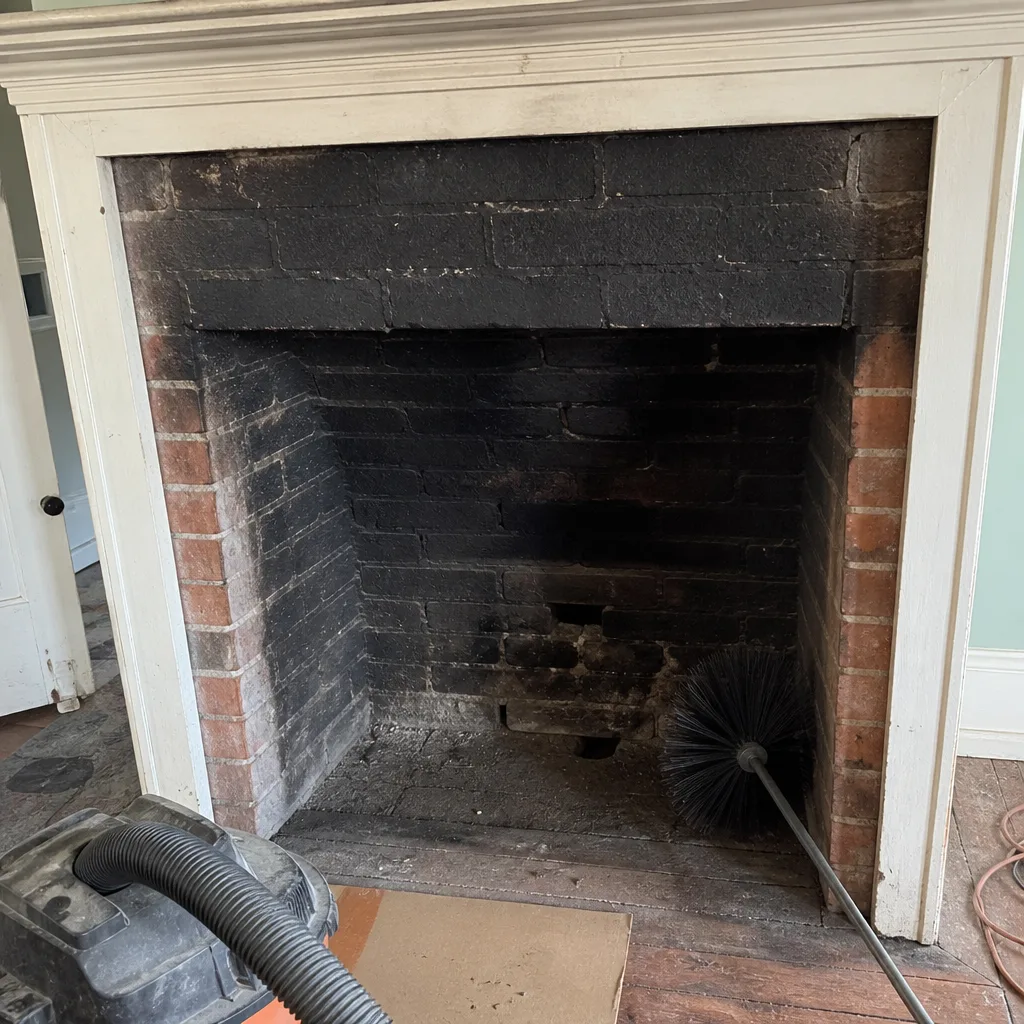 Before
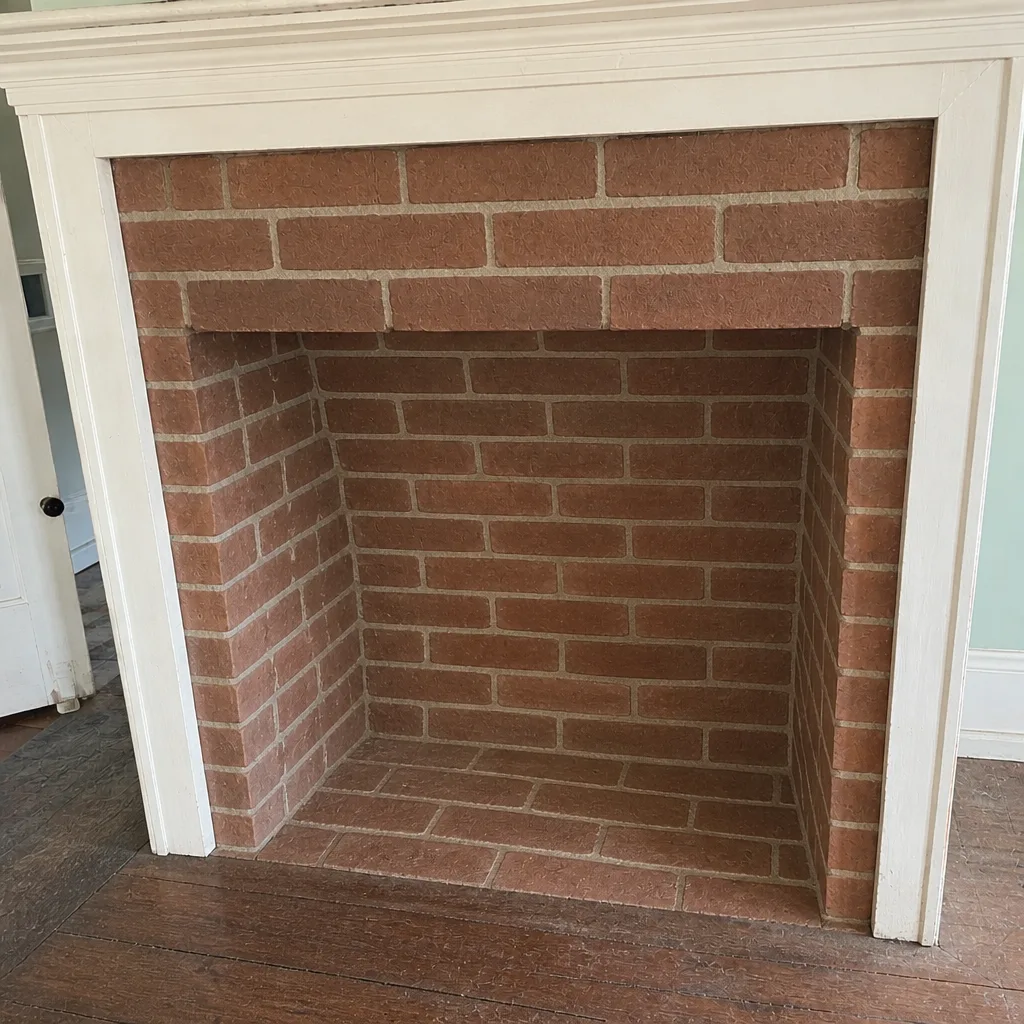 After
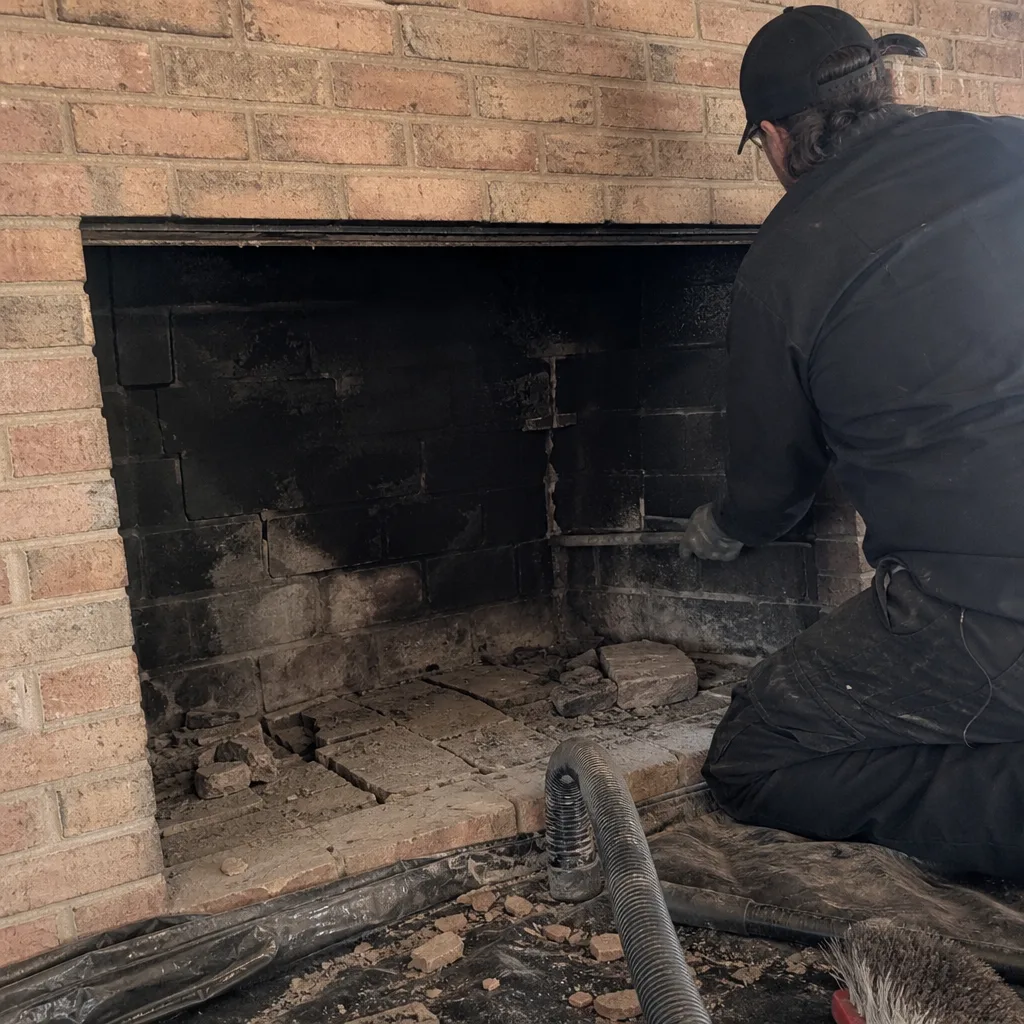 Before
 After
 Before
 After