
Last updated November 15, 2026
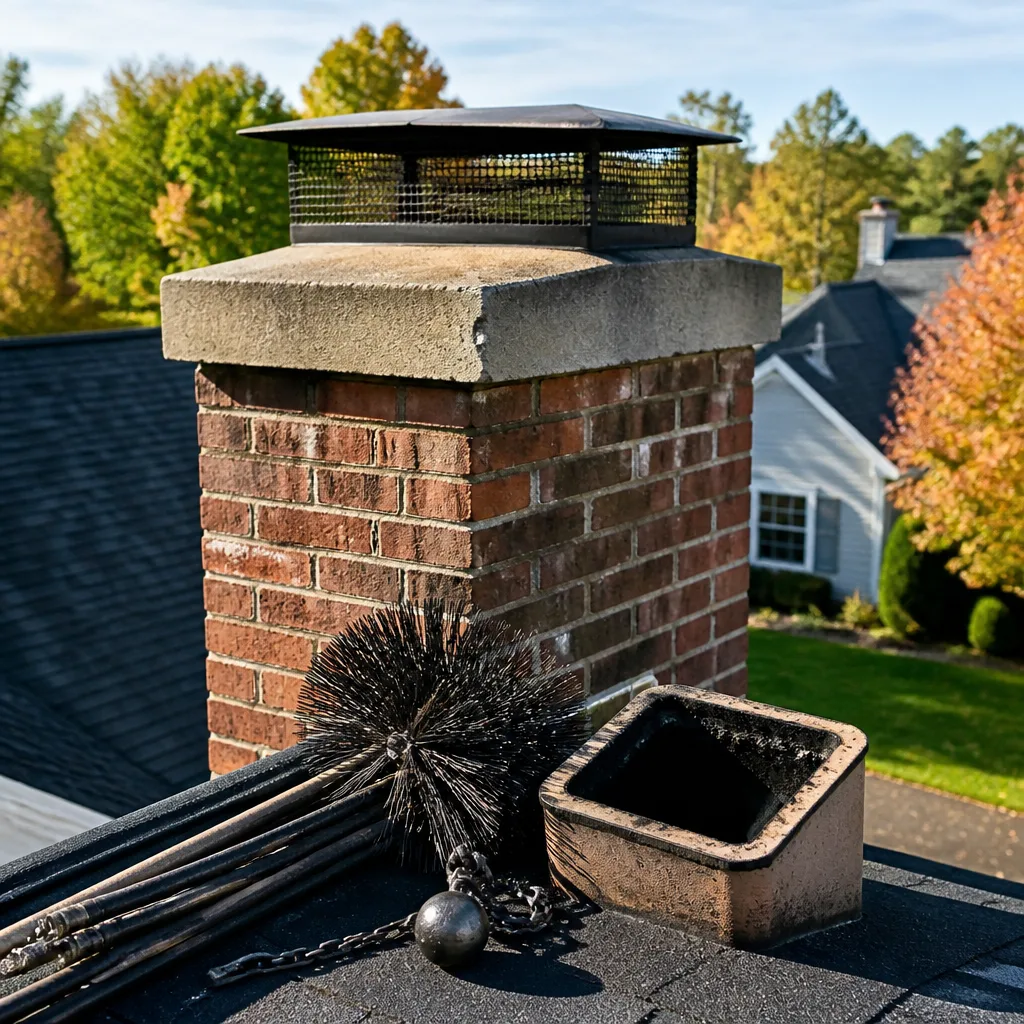 Sweep & inspection
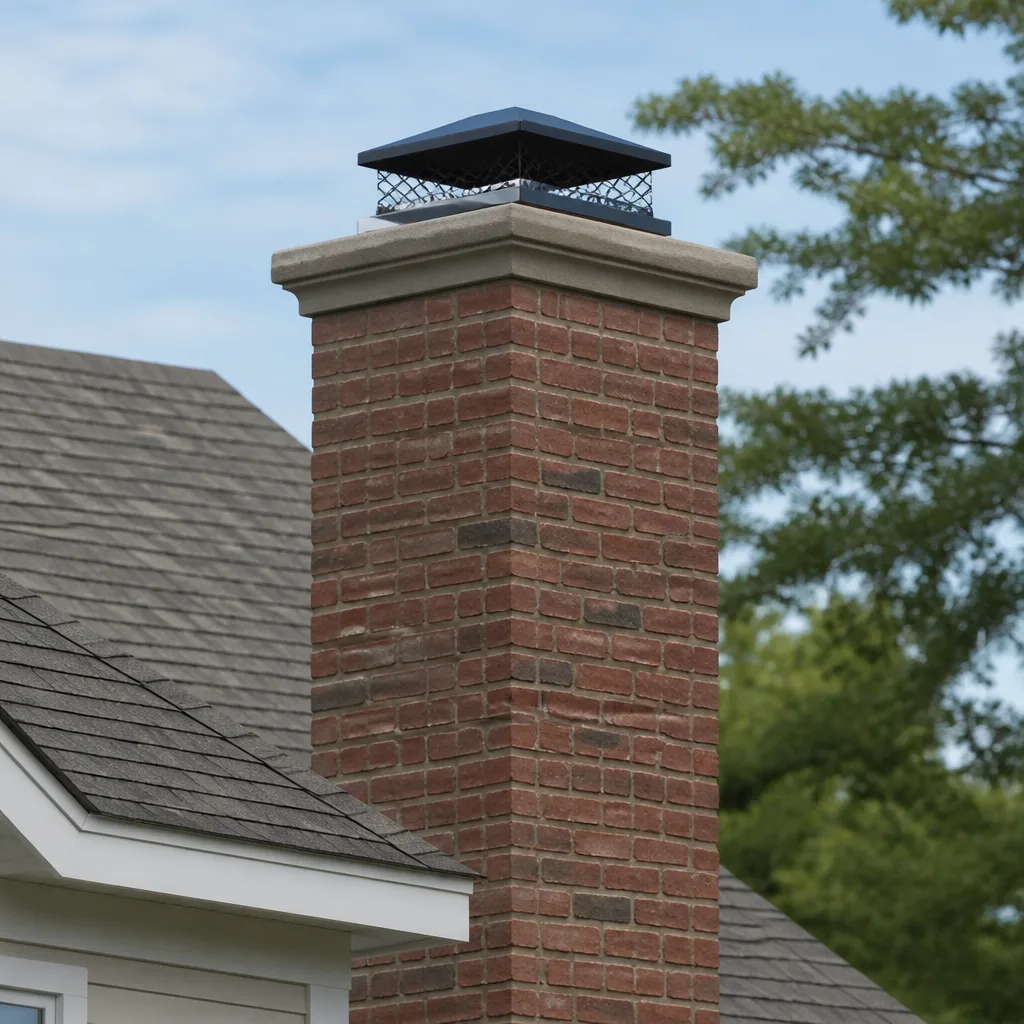 Caps & crowns
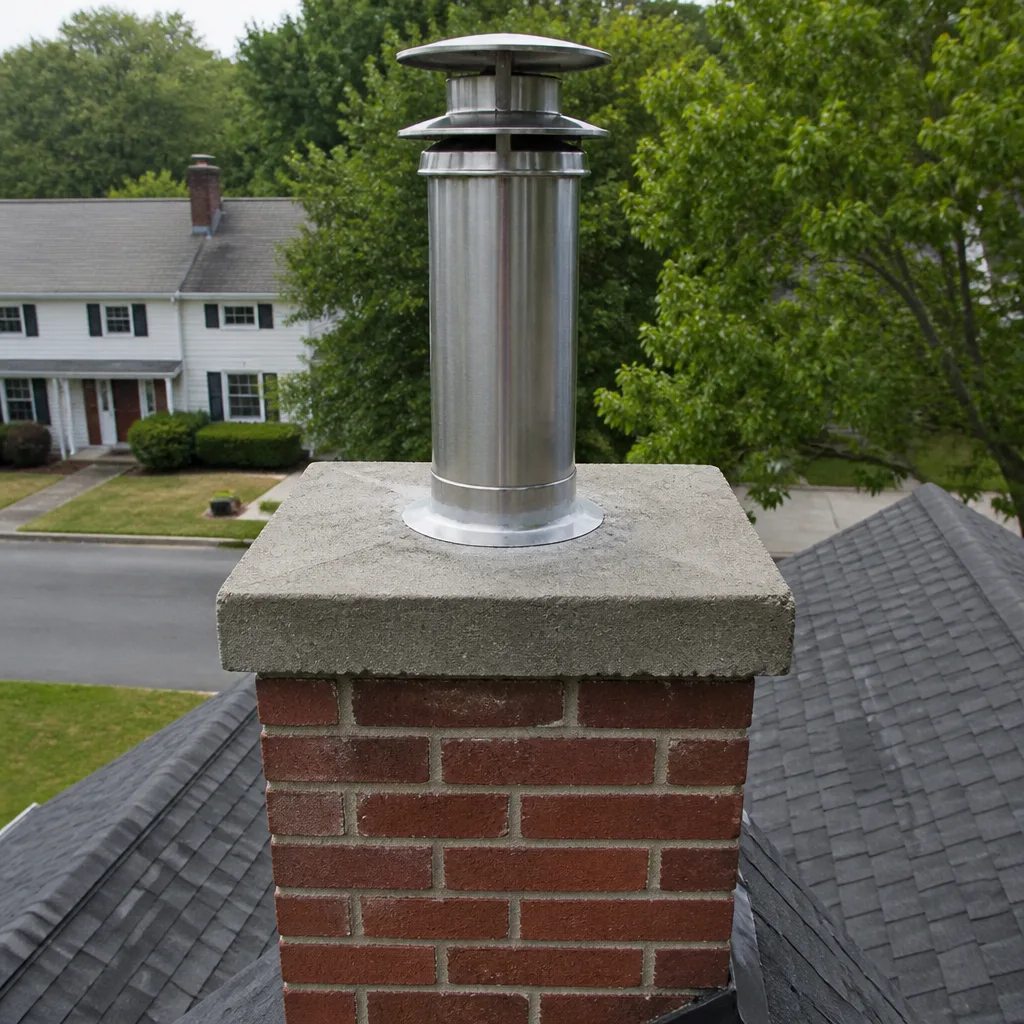 Flue relining
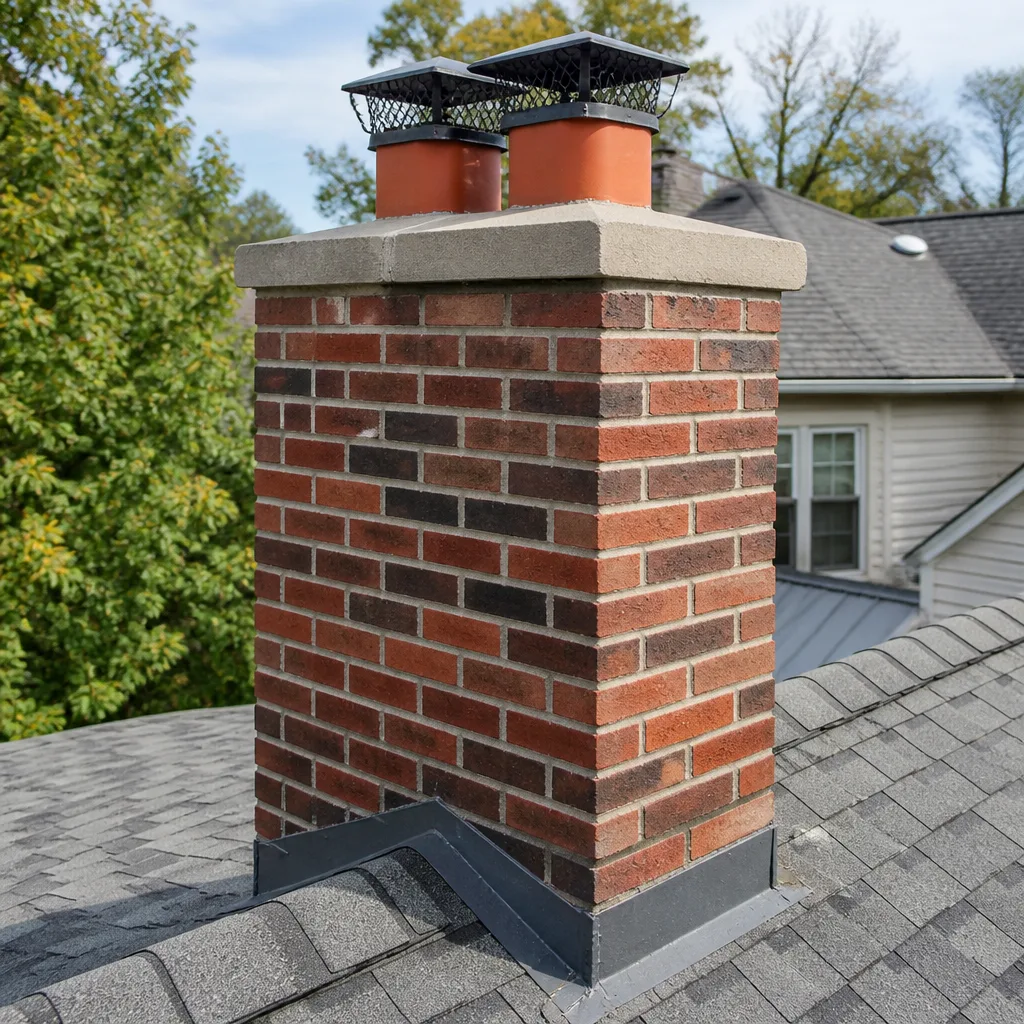 Masonry repair
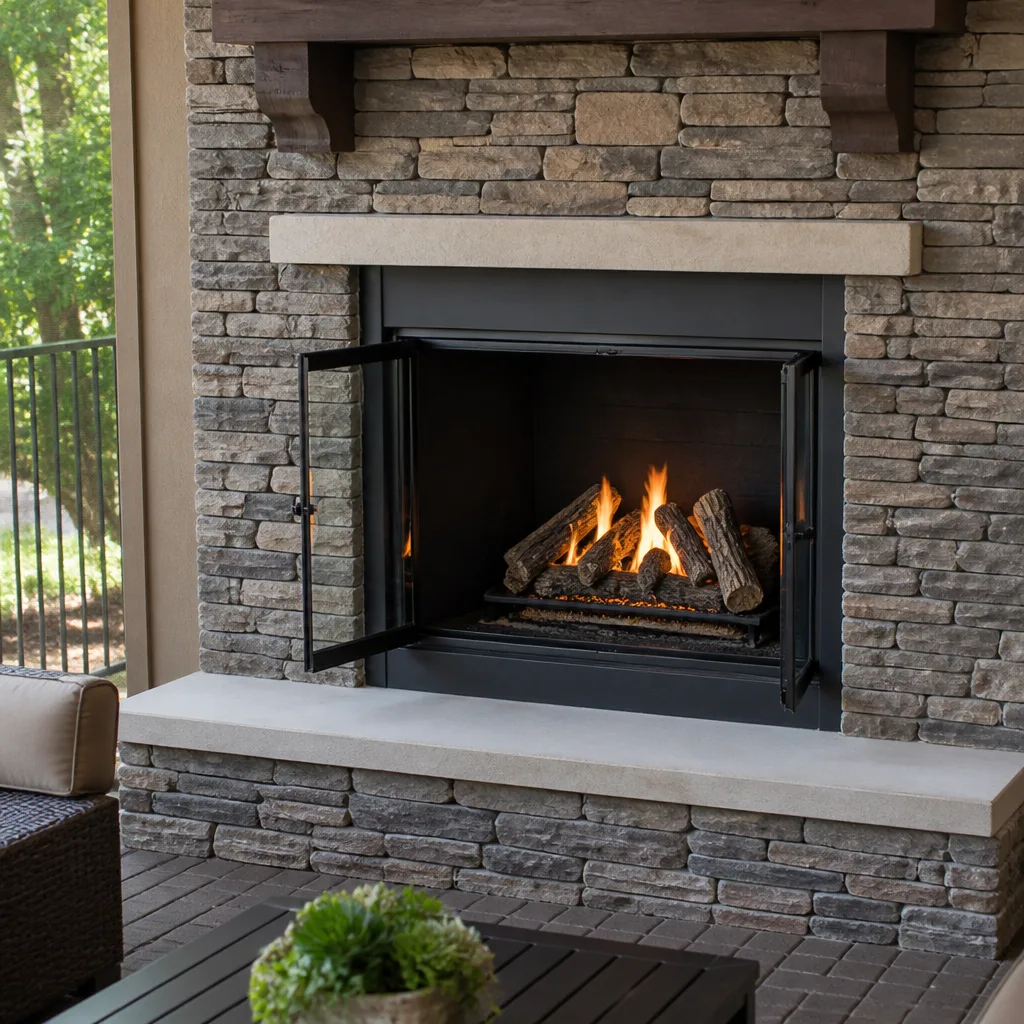 Gas fireplace service
Level 1 sweep and inspection to the NFPA 211 annual standard - flue, crown, cap, and flashing checked and photographed
Chimney sweep logs do not sweep chimneys. They loosen some creosote - which then falls where a brush and vacuum still have to collect it.
The Complete Guide to Chimney Cleaning in South Bend
Most chimney fires don’t start because a homeowner skipped cleaning. They start because the homeowner got a cleaning from someone who didn’t look at anything afterward. A sweep that clears the flue and leaves can miss a cracked liner, a failing crown, or creosote packed into a smoke chamber where a brush never reaches. South Bend’s climate makes those misses more likely, because the freeze-thaw cycles and long damp season off Lake Michigan work on masonry in ways that dry inland towns never see. This guide walks through what cleaning actually involves here, how to read an inspection report, when a Level 1 is enough and when you need a Level 2 or 3, what creosote stages mean, and how to tell the difference between work that’s genuinely urgent and work that can safely wait.
Quick Answer
Chimney cleaning in South Bend means sweeping creosote and soot from the flue, firebox, and smoke chamber, then inspecting the full system for damage. In this climate, most wood-burning homes need the flue swept once a year and a Level 1 inspection done at the same visit, with a Level 2 camera inspection whenever there’s a change in the system, a known creosote problem, or a storm-related event. Cleaning without an inspection afterward only handles half the job.
Styles & brands we work with
- Sweep & inspection
- Caps & crowns
- Flue relining
- Masonry repair
- Gas fireplace service
Table of Contents
- Why chimney cleaning in South Bend is different from a national guide
- How Lake Michigan moisture drives creosote stage progression
- The extended heating season and the timing window for cleaning
- NFPA 211 Level 1, Level 2, and Level 3 inspections: which one you need
- What a full-service company does that a sweep-only company doesn’t
- How to read a chimney inspection report
- Creosote stages and what each one means for your chimney
- Caps, covers, and components that hold up to South Bend weather
Why Chimney Cleaning in South Bend Is Different From a National Guide
South Bend sits on a climate boundary. The lake moderates temperature but also feeds moisture into the air year-round, and the ground goes through repeated freeze-thaw cycles across a heating season that often runs October through April. That combination does specific things to a chimney that a guide written for a dry climate will never mention. Brick and mortar absorb water from rain, snowmelt, and humid air, then release it slowly. Each freeze expands the water inside tiny mortar joints and each thaw contracts it. Over a season, that cycle opens hairline cracks that let more moisture in the following year.
That’s why we look at a chimney in South Bend as a whole system rather than a flue alone. The parts that take the most damage here are the ones facing the weather:
- The crown, the concrete surface on top of the chimney, cracks first because it takes direct freeze-thaw cycling.
- Mortar joints in the exposed upper courses erode as water works between brick and mortar.
- The cap, or the screen-and-hood assembly on top of the flue, rusts or loosens when it’s not rated for wet conditions.
- The flashing at the roof line is the most common leak point in this climate, and a leak there shows up as staining inside the chimney long before it shows in the room.
- The flue liner degrades faster when moisture from above and creosote from below both attack it.
None of this shows up in a five-minute brush-and-go. The point of our Chimney Sweep South Bend work is to sweep, then actually look at what the sweep revealed.
How Lake Michigan Moisture Drives Creosote Stage Progression
Creosote doesn’t reach a dangerous stage in one burn. It builds in three recognizable stages, and moisture is one of the factors that accelerates the transition from one stage to the next. In a humid climate, the chimney cools more slowly and unevenly, which affects how completely combustion gases condense on the flue wall. Damp wood burns cooler too, and cooler exhaust leaves more unburned material to settle as creosote.
The three stages, briefly:
- Stage 1: soot and light flaky creosote. Dusty, brushes off easily with a standard sweep. This is what a healthy chimney looks like between cleanings.
- Stage 2: hardened, crusty creosote. Dark, brittle, and stuck to the flue wall. A brush removes some of it but not all. Stage 2 is where burning dry, seasoned wood and scheduling the next cleaning on time matters most, because it can progress further if ignored.
- Stage 3: glazed, tar-like creosote. Shiny, hard, and fused to the flue. A hand brush will not touch it. Stage 3 creosote is the fuel load that makes chimney fires severe, and it needs a rotary cleaning tool or a resurfacing approach depending on how much damage is underneath.
In our experience around South Bend, chimneys that burn damp or unseasoned wood, or that see long breaks between fires, tend to accumulate creosote more heavily than a house with a steady, hot-burning fire and genuinely seasoned fuel. The practical takeaway: burn dry wood, keep air supply open enough for complete combustion, and don’t assume a once-a-year clean is enough if the flue is loading up fast.
The Extended Heating Season and the Cleaning Window
In much of the country, the question “when should I clean my chimney?” has a lazy answer: any time before fall. Here, the heating season often runs from early October to late April, and that compresses the window. If you light the first fire in October and the chimney hasn’t been checked since the previous winter, you’re burning into whatever creosote and moisture damage was left behind.
There’s also a practical squeeze. In South Bend, the months from May through September are the ones when the chimney is off-duty and inspection or repair work can actually get done without interrupting a fire. That’s when a masonry repair has time to cure, when a liner replacement doesn’t leave the fireplace out of commission during cold weeks, and when a technician can get on a roof without fighting snowpack.
The best time to book a chimney sweep is before the fires start, not after they do. If you’ve been burning steadily through the winter, the safest pattern is:
- Book the cleaning and inspection at the end of the burn season or in the warm months, before the fall rush.
- Get any recommended repairs completed while the weather is workable and the fireplace is idle.
- Do a quick visual check yourself in early fall: verify the cap is in place, the damper moves freely, and there’s no water staining around the firebox.
- Book a fresh inspection if anything looked off during that check.
NFPA 211 Level 1, Level 2, and Level 3 Inspections: Which Do You Need?
The National Fire Protection Association’s NFPA 211 standard defines three inspection levels, and knowing which one applies to your situation is one of the most useful things a homeowner can learn. Most people asking “do I need an inspection?” are really asking which level they need.
- Level 1 is a visual check of accessible parts of the chimney and venting with the tools you normally use: hands, flashlight, and a brush. It’s the kind you get alongside a routine annual cleaning, and it’s usually all you need if the system is unchanged since the last inspection and you’ve had no problems.
- Level 2 adds a camera inspection of the flue interior. It’s required after a change in the system, after a chimney fire, after a storm or earthquake event, when you buy a new home, when you switch fuel or appliance type, or when an ongoing problem can’t be explained by a Level 1 check. In South Bend, the practical reason to get a Level 2 is that a flue can look intact from the top and the firebox while a joint or liner section has cracked in between.
- Level 3 is a targeted investigation that involves access into concealed areas, such as opening a wall or removing part of the chimney structure. It’s only done when a Level 1 or 2 found a problem that can’t be diagnosed any other way.
After a South Bend winter, a Level 2 is often the right call simply because freeze-thaw damage happens inside the flue as easily as it happens on the crown. If you can’t remember the last time the flue interior was seen with a camera, that’s the case for a Level 2. It’s also the basis for a chimney repair recommendation, because nobody should be asked to authorize repair work they haven’t been shown the evidence for.
What a Full-Service Company Does That a Sweep-Only Company Doesn’t
A sweep-only visit cleans the flue. A full-service visit cleans, inspects, diagnoses, and can authorize and complete the repair without a handoff. That difference sounds bureaucratic until you’re on the receiving end of a broken liner and a referral.
Here’s how the two models differ in practice:
- Diagnosis: A sweep-only operation notes what it sees and moves on. A full-service company documents it, takes photos, explains the cause, and recommends a path forward.
- Repair authorization: When a repair is recommended, a full-service company can quote it on the same visit and complete it with the right specification. A sweep-only operation hands the problem off.
- Written certification: A full-service company can put the condition of the chimney in writing, which matters for insurance, real estate, and permitting.
- Material continuity: The technician who finds the problem is the same one who specifies the fix, so there’s no mismatch between the diagnosis and the repair scope.
The materials matter too. We install and work with DuraFlex flexible liner systems for relining, and we’re certified to apply HeatShield ceramic resurfacing, which can restore a deteriorating flue in cases where a full liner replacement would otherwise be the only option. HeatShield is the difference between repairing the existing flue and replacing it outright, and it’s a capability most sweep-only operations don’t have. For caps, covers, and structural components, we source from professional lines including Olympia Chimney and Copperfield. That means commercial-grade parts rated for the wet, cold conditions this region throws at a chimney, not hardware-store substitutes.
How to Read a Chimney Inspection Report
A proper inspection report tells you three things: what condition the chimney is in, what needs attention, and how urgently. The most useful thing to understand is the difference between the three ways a report can flag an item.
- “Monitored”: the item shows wear but isn’t a safety concern right now. A hairline crown crack that isn’t letting water into the flue would land here. It gets rechecked at the next inspection and allowed to wait.
- “Repair recommended”: the item is deteriorating and will get worse, but the chimney is still usable if it’s scheduled. A worn damper, an aging cap, or a small masonry joint that’s starting to erode fits. Get it on the calendar before the next heating season.
- “Do not use”: the item is a hazard right now. A cracked liner, a blocked flue, a stage 3 creosote buildup, or a crown that’s letting water pour in all land here. Stop burning until it’s fixed.
Reading a report well means asking what evidence stands behind each recommendation. In our practice, nothing gets recommended without a camera inspection and photo report the homeowner can see for themselves. If a report says “liner replacement recommended,” ask to see the flue interior. If it’s a minor crack that could be resurfaced with HeatShield, the report should say so. If there’s nothing wrong, the report should say that too.
Creosote Stages and What Each One Means for Your Chimney
Creosote is the residue of incomplete combustion. Its three stages matter because the correct cleaning method changes at each one, and because stage 3 is the one that turns a flue-cleaning appointment into a serious safety call.
- Stage 1: soot and light flakes. Removed with a standard flue brush. The chimney is safe to use after sweeping.
- Stage 2: hardened, crusty deposits. Requires a firmer brush and may need more than one pass. Recheck after cleaning to confirm the flue is clear.
- Stage 3: glazed, tar-like creosote bonded to the flue wall. A hand brush won’t remove it. Rotary cleaning tools or a resurfacing approach may be needed, and the flue should not be used until it’s resolved.
The stage is set by how you burn, not just how often. Wood with high moisture content burns cooler, leaves more unburned material, and drives creosote buildup faster. Wet wood plus a humid climate is the combination that pushes a chimney from stage 1 to stage 2 in a single season. Learning to tell the stages apart yourself is genuinely worth the effort, since it lets you spot the difference between normal soot and a problem.
Caps, Covers, and Components That Hold Up to South Bend Weather
With lake-effect moisture, a chimney cap has one job that matters most: keeping water out. A decorative cap that rusts through in two winters is worse than no cap at all, because it hides the fact that water is coming in. The caps and covers we install, from lines including Gelco, Olympia Chimney, and Famco, are built as commercial-quality components with weather resistance designed for long-term exposure, not a season of good looks.
What to look for on the cap and top end of a chimney:
- Proper fit. A cap needs to be sized to the flue opening, not to the chase cover. A loose cap lets water in from the top.
- Durable construction. Metal that thins and rusts after a few winters is the wrong material for this climate.
- Screen integrity. The animal guard is part of the cap. A torn screen means birds, squirrels, or leaves can enter the flue.
- Correct height. The cap has to clear the flue without restricting draft.
The same principle applies to a chase cover or a crown. That surface is the first line of defense against everything above, and a crack that starts in a summer storm becomes a leak path by the first freeze. If you’re not sure of the condition of your cap or crown, a Level 1 inspection alongside a cleaning will tell you.
Common Mistakes to Avoid
- Treating a cleaning as the end of the job. A sweep without a look at the flue, cap, crown, and flashing misses the damage that actually causes fires and water intrusion. The cleaning is the start of the visit, not the whole thing.
- Assuming a once-every-few-years clean is enough. In a long-heating-season climate, creosote can build appreciably within one season. Skipping a year is where stage 2 starts.
- Burning wet or unseasoned wood. Damp wood burns cooler and leaves more unburned material in the flue. It’s the single biggest factor pushing creosote from stage 1 to stage 2 in South Bend’s climate.
- Ignoring a crack in the crown or a loose cap. Water entering from the top degrades the flue from above, and by the time you see staining inside the firebox, the damage is already active.
- Treating an inspection-only report as a green light. A report that flags problems is a problem list. If there’s no plan to complete the work, the report is just paperwork.
- Not asking for a camera inspection. A flue can look intact from the top and the firebox while a liner or joint is cracked in between. Without a camera view, it’s an assumption.
- Waiting until the first cold snap to book. In a place with a compressed warm-weather window for repairs, the fall is the worst time to discover a problem that needs a repair before winter.
See the difference
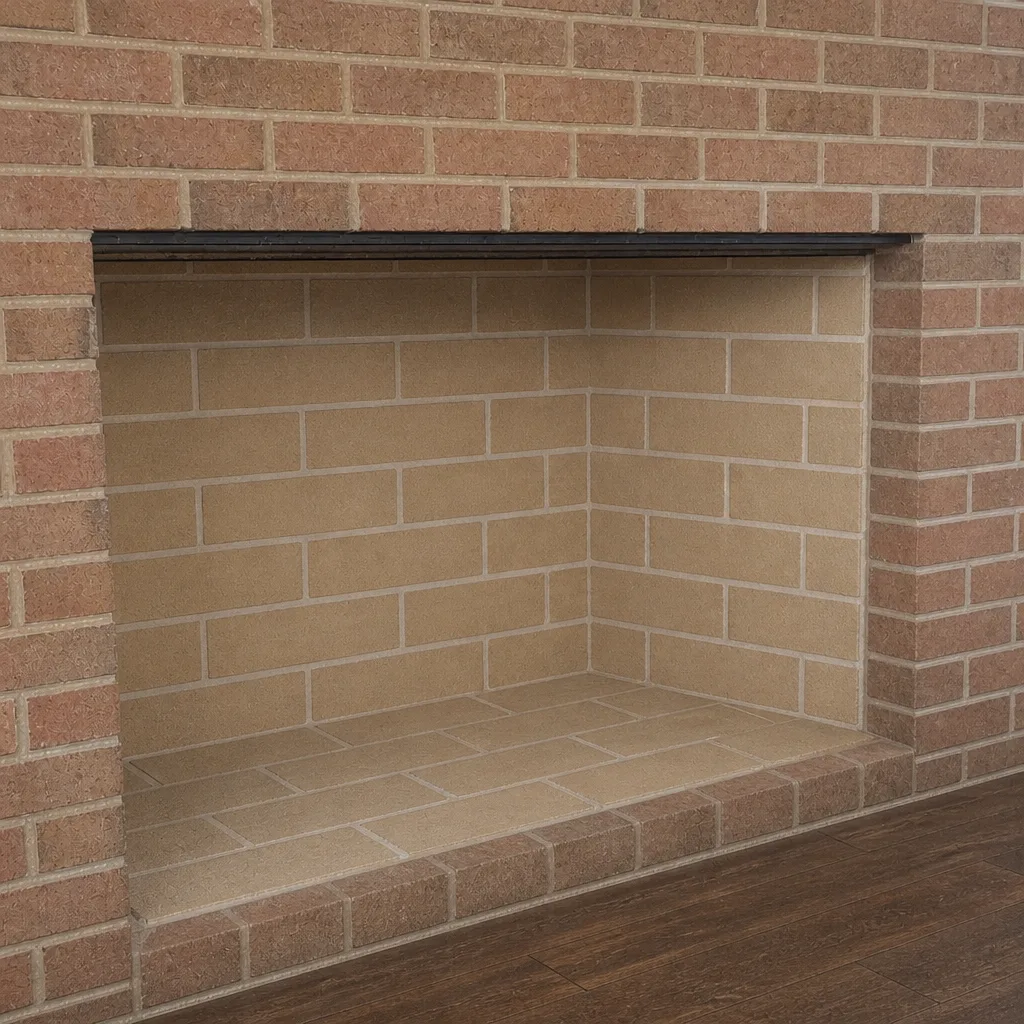
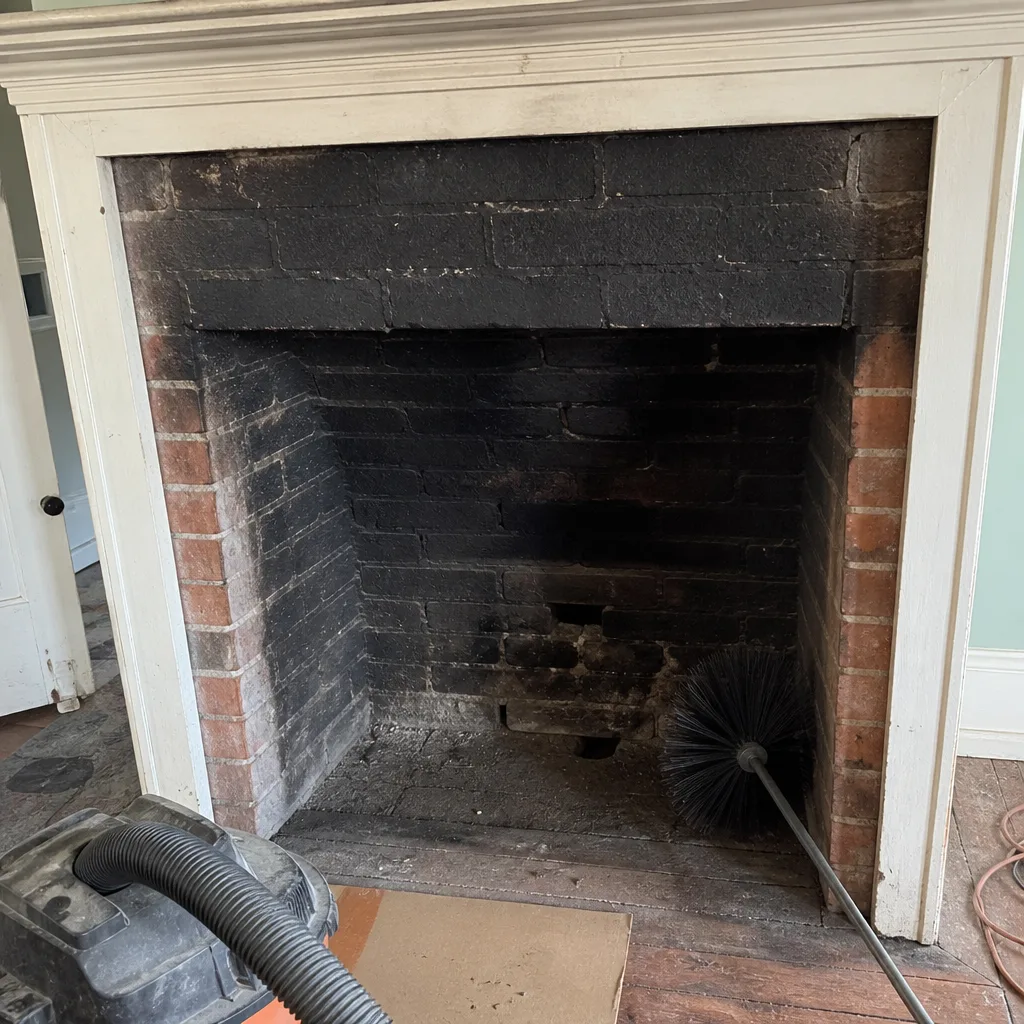 Before
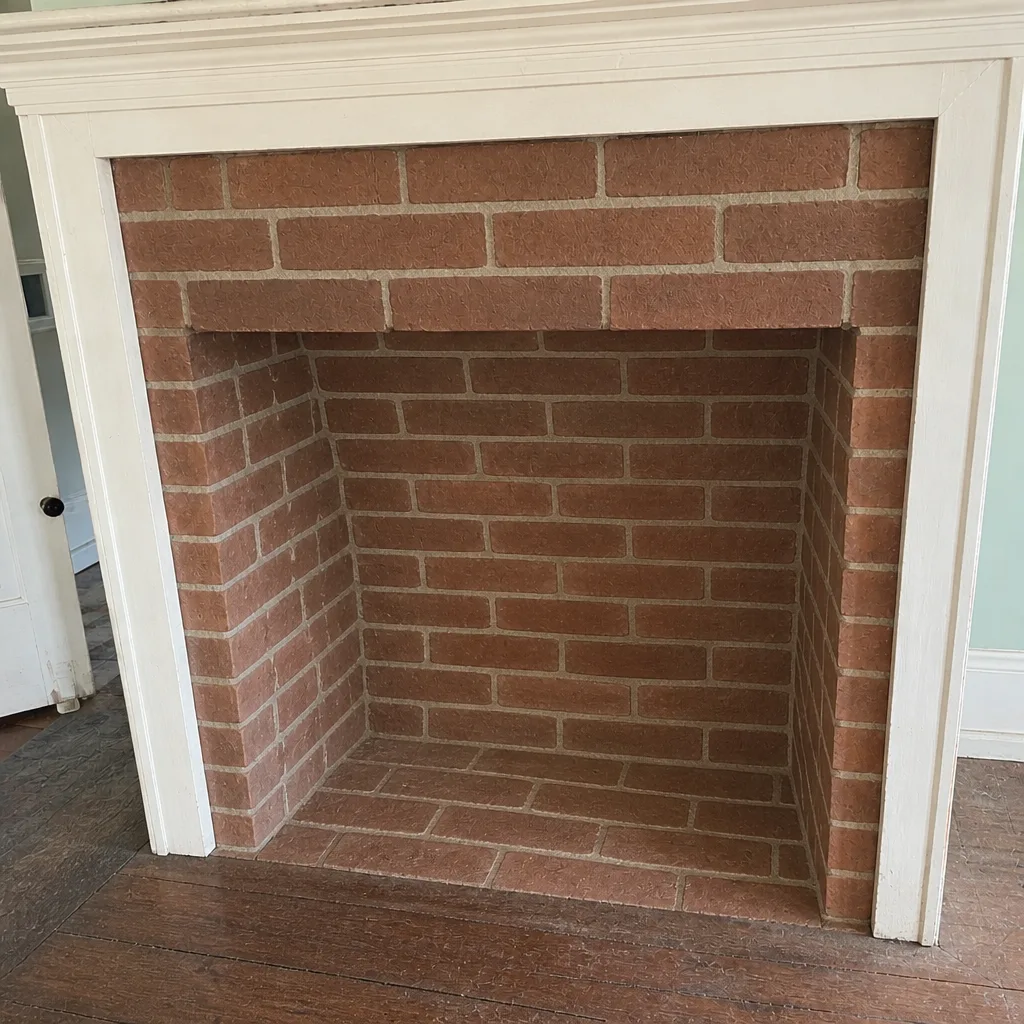 After
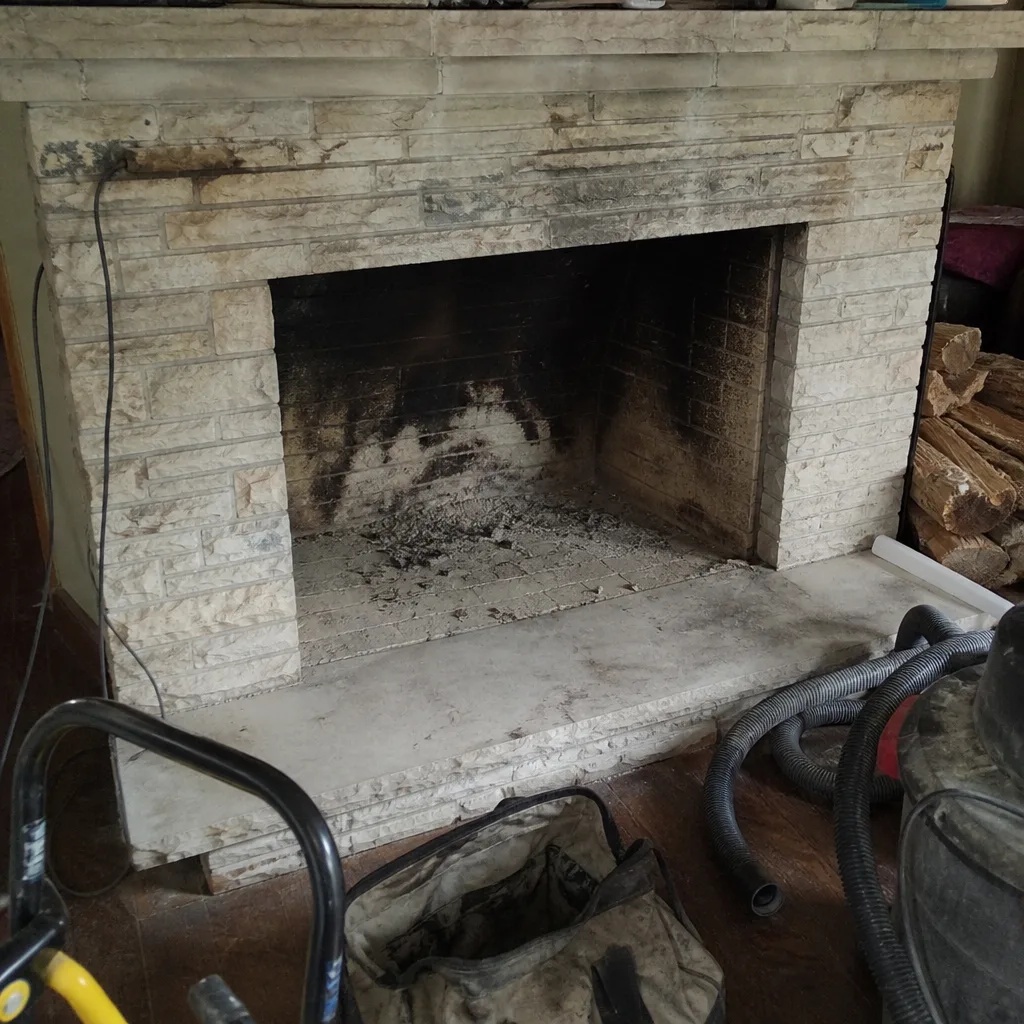
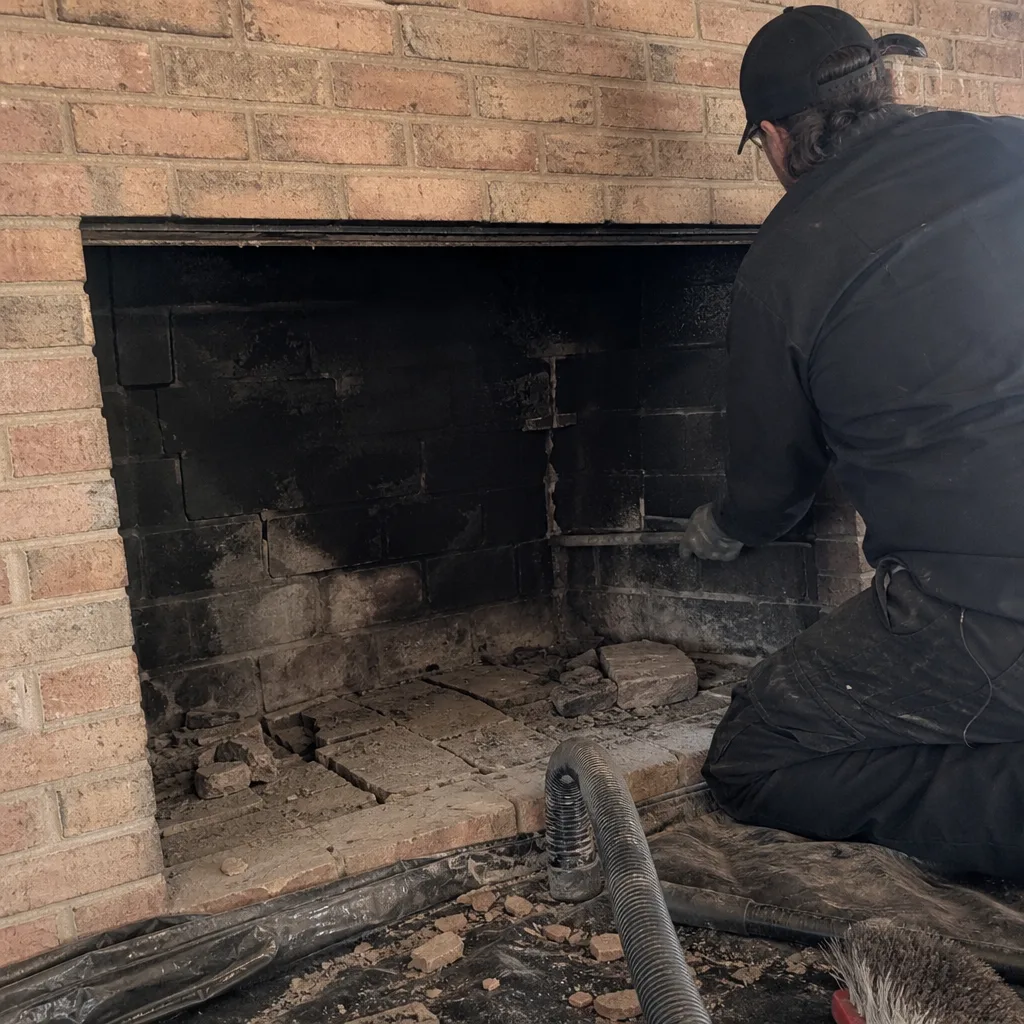 Before
 After
 Before
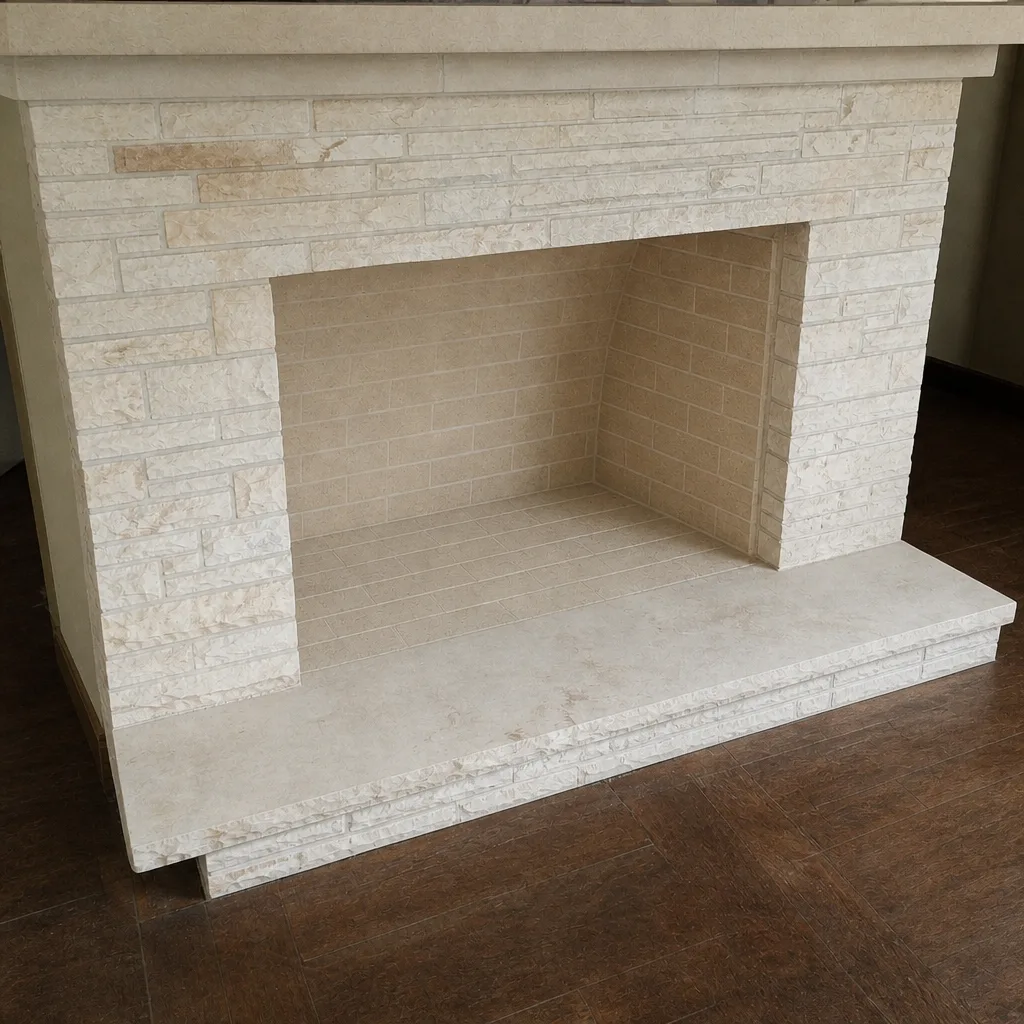 After
When to Call a Professional
Call a professional if you see any of the following: a flue or liner with visible cracks or gaps; a chimney cap that’s missing, loose, or rusted through; water staining in the firebox or on the ceiling near the chimney; creosote that looks glazed or tar-like; smoke entering the room on light-up; a home purchase or insurance inspection that raises chimney questions; or a chimney fire you didn’t even notice but a neighbor did. Any of these warrant a Level 2 inspection at minimum, and none should wait for the next scheduled annual sweep.
A routine annual cleaning and Level 1 inspection is a call, not a crisis. Chimney Sweep South Bend offers free estimates in South Bend. Call (888) 334-4231. We answer 24/7. Fast dispatch from 7am to 7pm, Sunday through Friday.
Frequently Asked Questions
Per-job chimney cleaning in South Bend is quoted by written estimate after a quick look at the chimney’s size, condition, and access. The estimate is free, the price is set per job, and the final number is the written figure. Call (888) 334-4231 with a description of your fireplace or stove and we’ll tell you what the visit involves before scheduling.
Once a year is the baseline for a home burning wood regularly, and in South Bend’s long heating season that annual cleaning should land before the fires start rather than after. Heavier use, damp wood, or a stage 2 creosote reading will change the schedule. Call (888) 334-4231 if you’re unsure whether you’re on the annual cycle.
Skipping cleaning allows creosote to build from soot into hardened crust and eventually into glazed, tar-like stage 3 material. That’s the fuel load that makes a chimney fire severe, and it hides liner and masonry damage that gets worse each winter. The fix is a cleaning and inspection before that buildup grows, and the estimate is free. Call (888) 334-4231 to book.
Sometimes not. A cracked or deteriorating flue can often be restored with HeatShield ceramic resurfacing instead of full replacement, which is a meaningful difference in cost and time. Whether resurfacing fits depends on the extent of the damage, which is why the inspection matters: you should see the camera evidence before you authorize either path. Call (888) 334-4231 to schedule the inspection that settles the question.
A Level 1 is a visual check of accessible parts and comes with a routine cleaning. A Level 2 adds a camera view of the flue interior and is required after a change in the system, a chimney fire, a storm event, a home purchase, or a problem a Level 1 can’t explain. In South Bend, most homeowners benefit from a Level 2 after a hard winter because interior flue damage isn’t visible from the top. Call (888) 334-4231 if you’re unsure which level you need.
Cleaning the flue is a physical job that involves a roof, long brushes, and health hazards from soot and creosote, and it’s the diagnosis that gets missed when someone cleans their own. A technician who sweeps and then inspects the full system catches the cracked liner, the failing cap, or the stage 3 creosote a homeowner can’t spot. If you’re not certain of your own safety on a roof, the safest call is a professional. Call (888) 334-4231.
The Bottom Line
Chimney cleaning in South Bend is more than a brush down the flue. In a climate with Lake Michigan moisture and long freeze-thaw seasons, a cleaning without inspection tells you only the flue is empty right now. The real value of a visit is the inspection that follows: knowing your liner is sound, your cap is intact, your crown isn’t letting water through, and your creosote is at a safe stage. Read the report with the three categories in mind. Get camera evidence for any repair recommendation. Schedule the work for the warm months when the fireplace is off-duty. Call (888) 334-4231 for a free estimate. We answer 24/7. Fast dispatch from 7am to 7pm, Sunday through Friday.
Written by the team at Chimney Sweep South Bend. For chimney cleaning in South Bend, call (888) 334-4231.